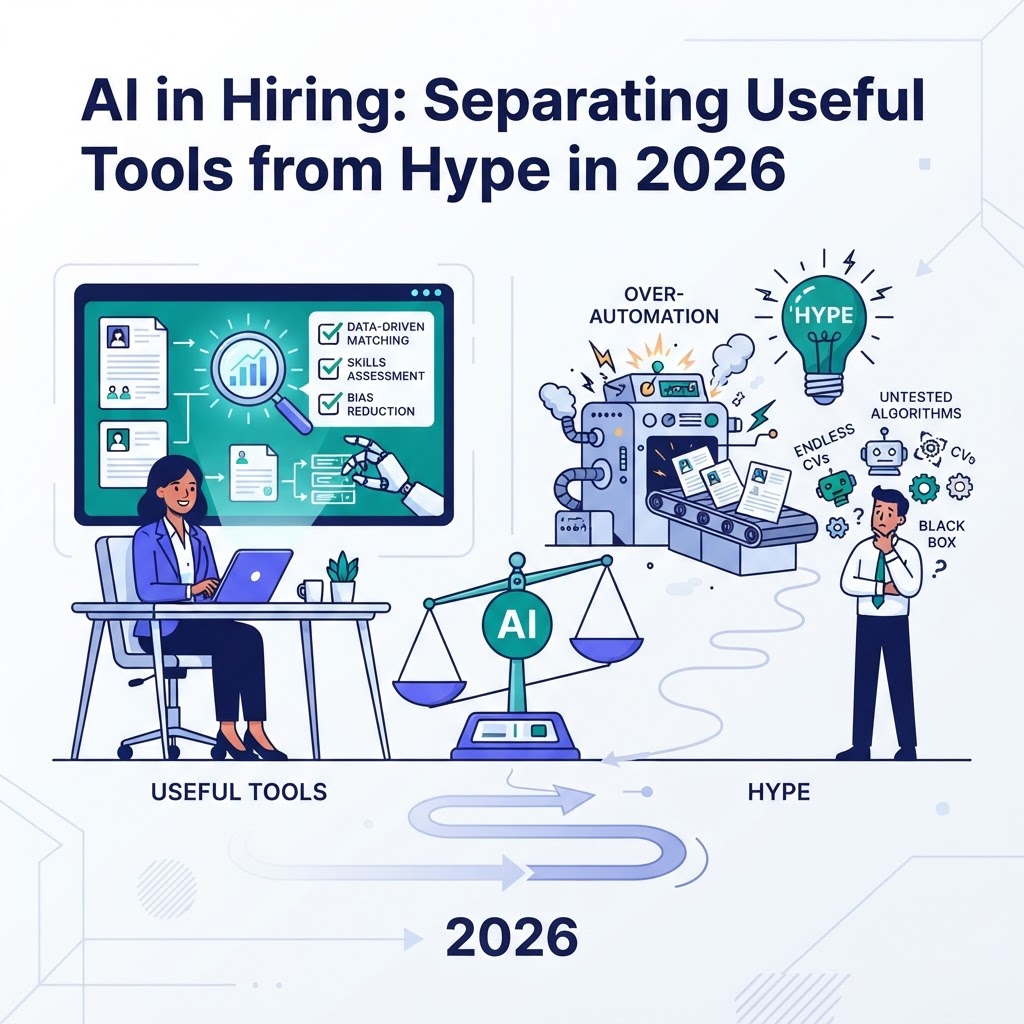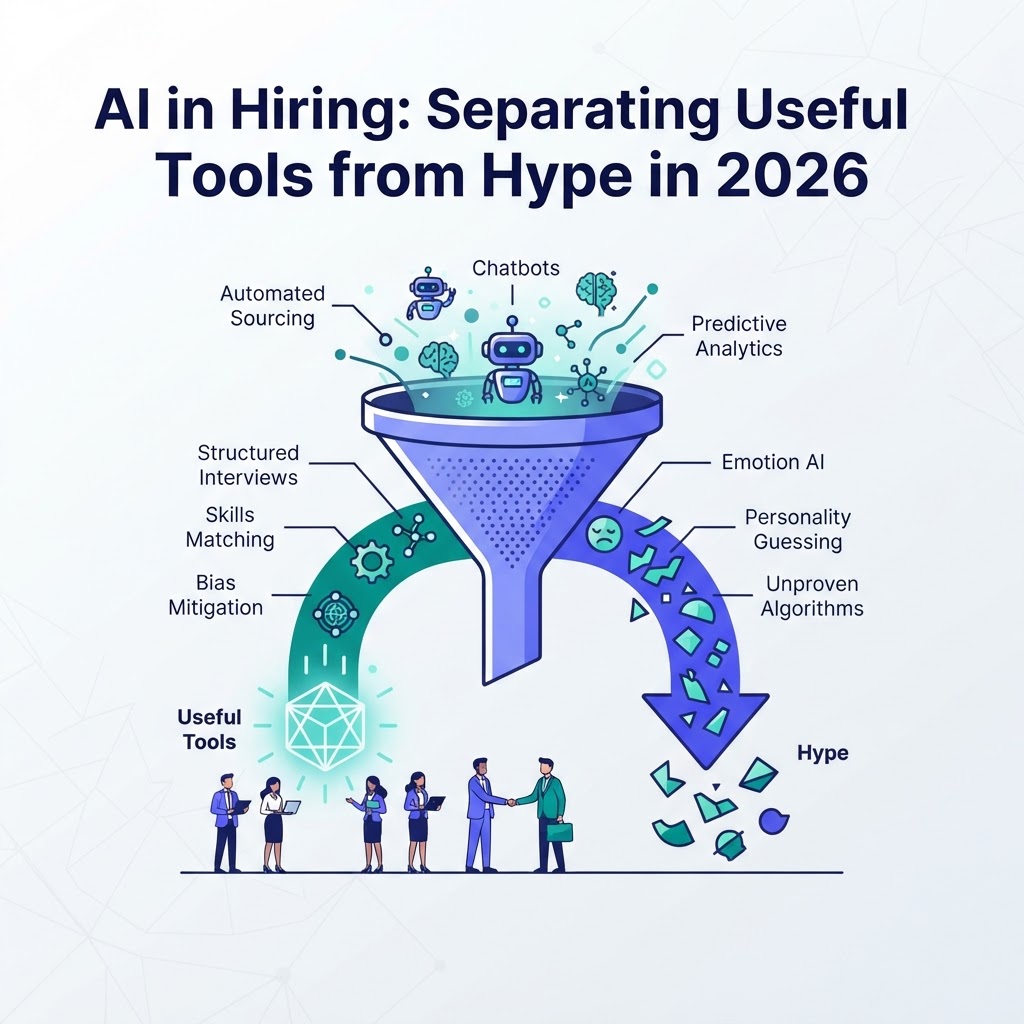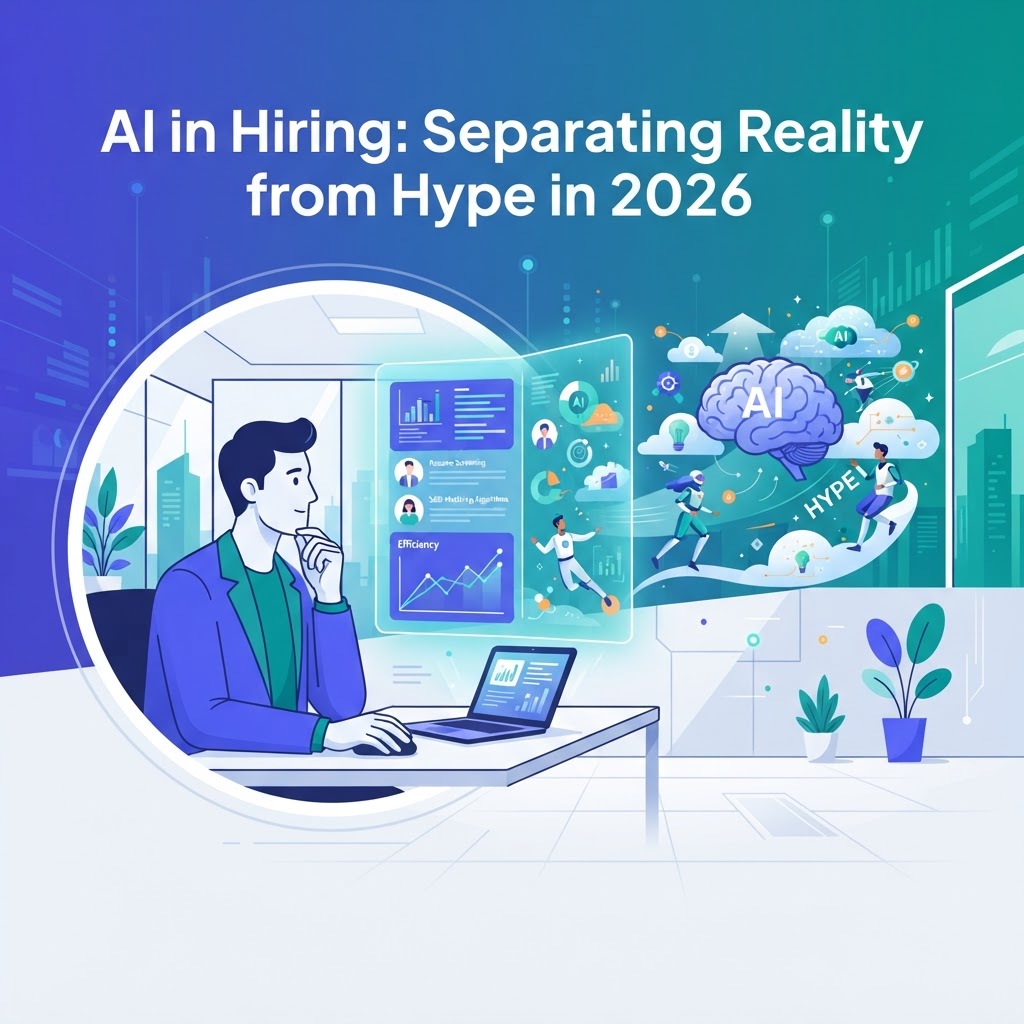
By the start of 2026, the recruitment technology landscape has shifted from a period of experimental fascination to one of pragmatic demand. Recruiters are no longer impressed by generic generative AI wrappers; they are looking for systems that demonstrably reduce time-to-hire and improve the quality of candidate engagement. The difference between a high-performing agency and one struggling to keep up lies in the ability to distinguish between shiny features that add friction and AI integrations that act as force multipliers.
The Evolution of Intelligent CV Parsing
Early CV parsing tools were notorious for their rigidity, often failing to interpret non-standard formatting or nuanced career pivots. Today, large language model (LLM) based parsing has matured. In 2026, the best tools do not just extract data; they interpret context. An effective parser must understand that a candidate who served as a 'Strategic Lead' in one organization might be the equivalent of a 'Principal Consultant' in another. When you use a platform like RecruiterCRMFlow, the AI doesn't just populate fields; it maps candidate skills against dynamic market data to ensure your database remains structured and searchable. If your current ATS is still missing key skills because they were written in a creative resume layout, you are essentially burying talent where it cannot be found.
Matching Engines vs. Keyword Searching
For years, recruitment relied on Boolean strings. While still useful, they are insufficient for the scale of modern talent pools. The 'hype' in 2026 is a tool that claims to perform magic matching with no input. The 'reality' is a system that uses semantically aware matching to surface hidden gems. Instead of relying solely on job titles, intelligent matching looks for skill adjacencies. For example, a developer proficient in Rust is statistically more likely to be a quick learner for a Go-based project. RecruiterCRMFlow leverages these semantic signals to suggest candidates already sitting in your CRM whom you might have otherwise ignored because their profile didn't trigger a basic keyword alert.
CRM AI: Turning Dead Leads into Placements
One of the most persistent issues in agency recruiting is the 'talent graveyard'—the thousands of profiles sitting in a CRM that haven't been contacted in months or years. AI-driven CRM features should serve as a wake-up call for your database. We are seeing tools that automatically trigger re-engagement campaigns based on public social data changes, such as a candidate's tenure at a company reaching the two-year mark. When these triggers are integrated directly into your workflow via RecruiterCRMFlow, your team spends less time hunting and more time interviewing. Without this automated maintenance, you are paying for storage, not an asset.
Practical AI Hygiene: Separating Hype from Reality
Not every AI tool is worth the integration cost. Before adopting new software, audit your current stack against these three criteria:
- Integration Depth: Does the AI live inside your ATS/CRM workflow, or does it require constant tab-switching? If it requires manual data export, it is an inefficiency, not a tool.
- Data Ownership and Security: In 2026, data privacy is paramount. Ensure your AI tools are not training their models on your proprietary candidate data without explicit, granular controls.
- Measurable Outcome: Can you track the tool’s impact on 'Submissions to Interview' or 'Time to Submit'? If a tool cannot provide analytics, it is a vanity feature.
Moving Forward with Intentional Tech
The goal of AI in 2026 is not to replace the human recruiter, but to strip away the administrative drudgery that obscures the human element. By focusing on deep integration and data-driven candidate relationship management, firms can reclaim the hours once lost to manual database upkeep. RecruiterCRMFlow is built on the philosophy that your technology should act as a seamless extension of your recruiting strategy. In a market where speed is everything, the tools that provide the cleanest data and the most intuitive paths to connection are the ones that will define the winners of the next decade.