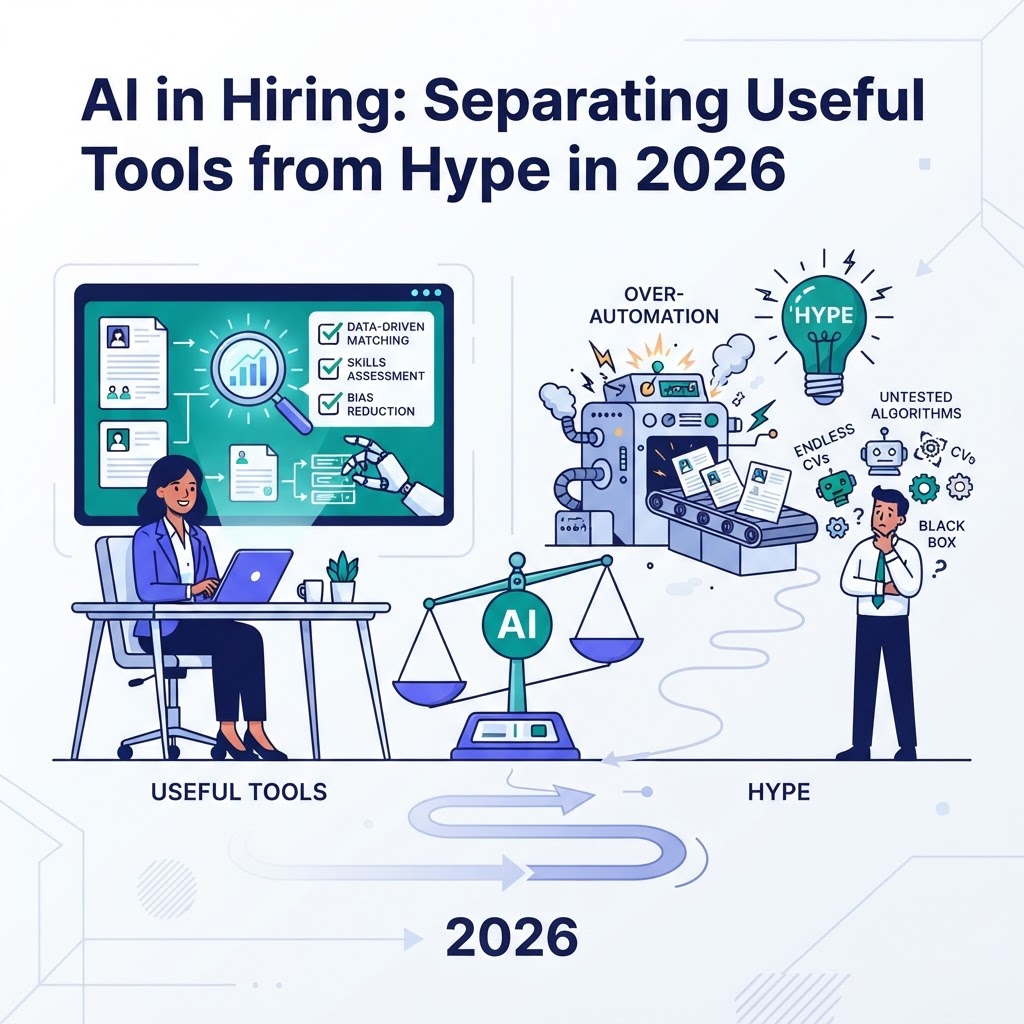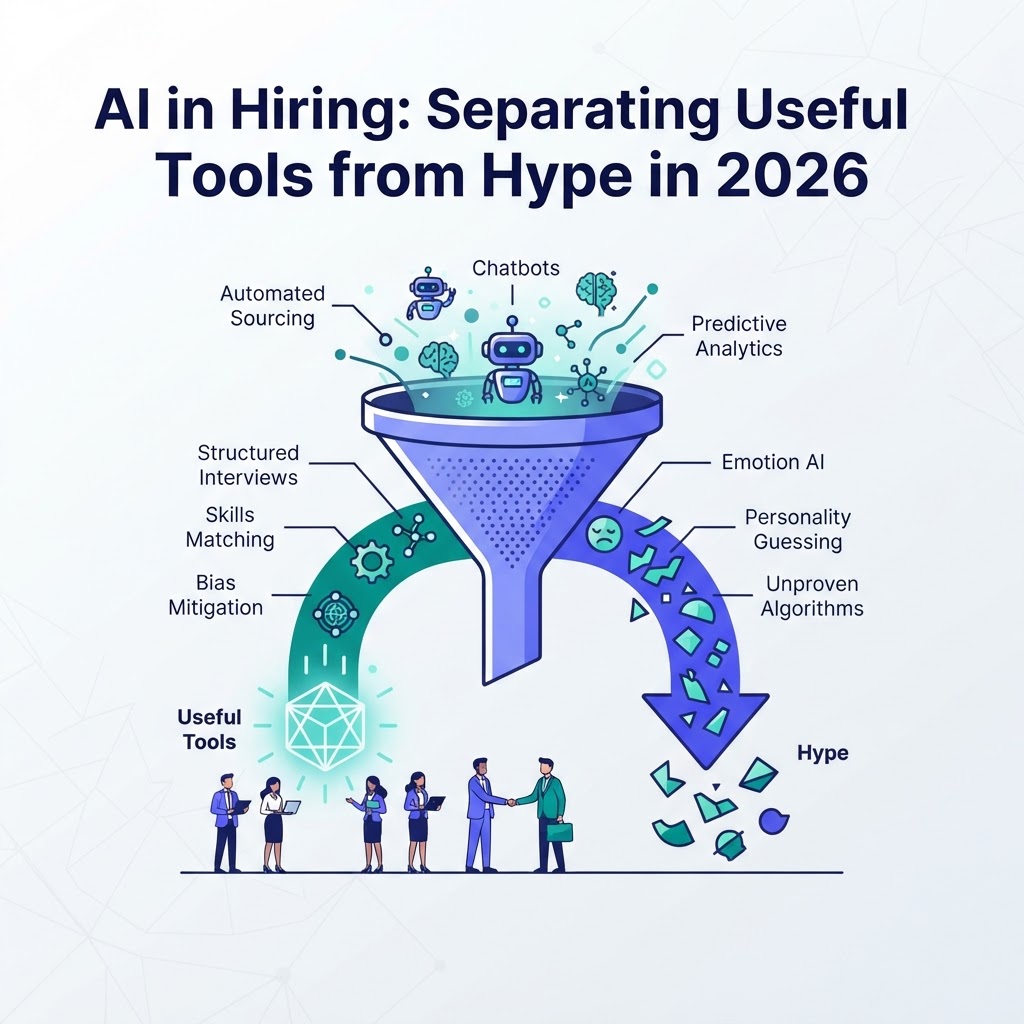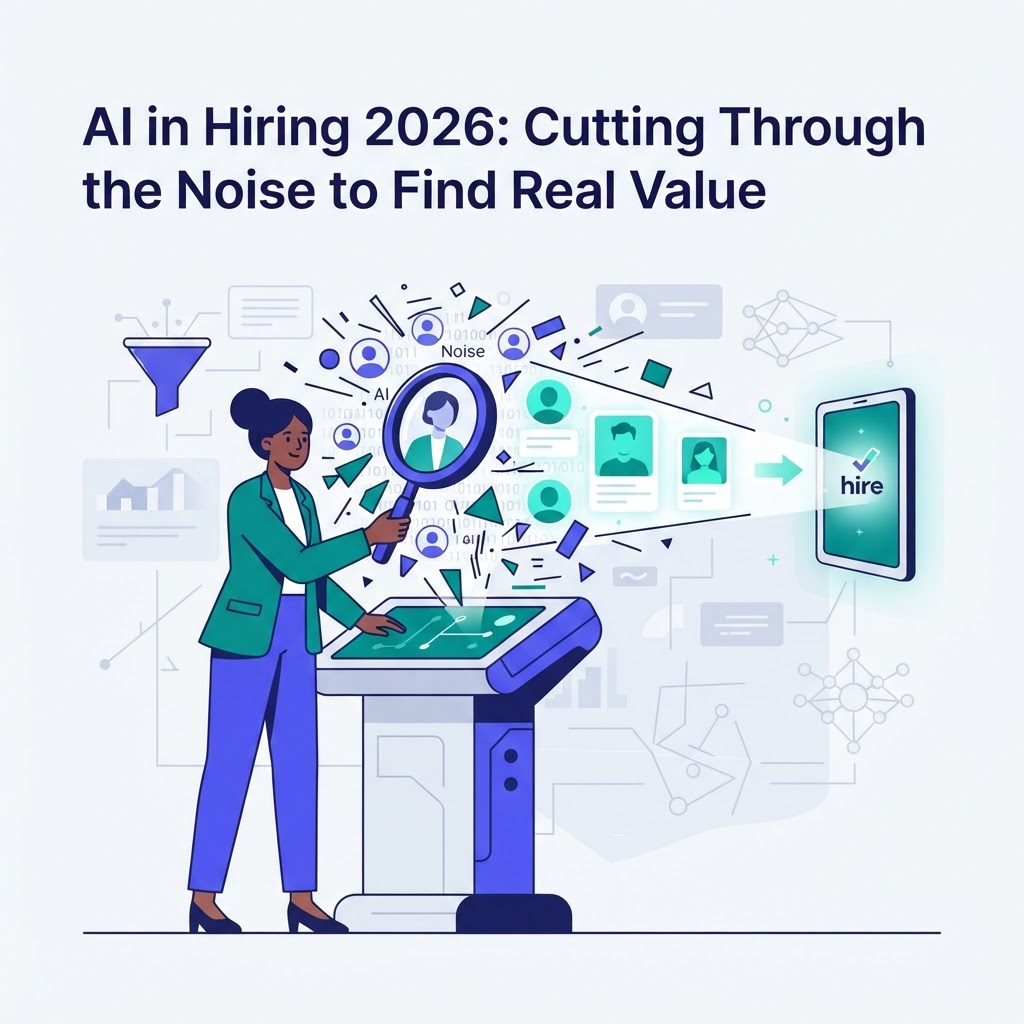
The recruitment landscape of 2026 is defined by an overwhelming abundance of AI-driven solutions. While vendors promise everything from fully autonomous headhunting to predictive personality modeling, the reality for talent acquisition teams is that most tools create more friction than they resolve. To maintain a competitive edge, recruiters must look past the buzzwords and prioritize features that actually shorten time-to-hire and improve the quality of placement.
The Evolution of CV Parsing and Semantic Matching
By 2026, basic keyword matching is officially obsolete. Modern hiring requires semantic analysis—the ability for a system to understand the context of a candidate's experience rather than just searching for string matches. A candidate with a background in 'Enterprise SaaS Sales' should surface for 'B2B Software Account Executive' roles automatically.
Advanced parsing tools should now achieve a 98% accuracy rate in mapping unstructured CV data into structured database fields. When a platform lacks this precision, you lose potential candidates simply because their terminology didn't match the job description. Integrating an ATS that utilizes deep-learning models ensures your existing database is never a black hole for talent.
Why Your CRM is the Foundation of AI Success
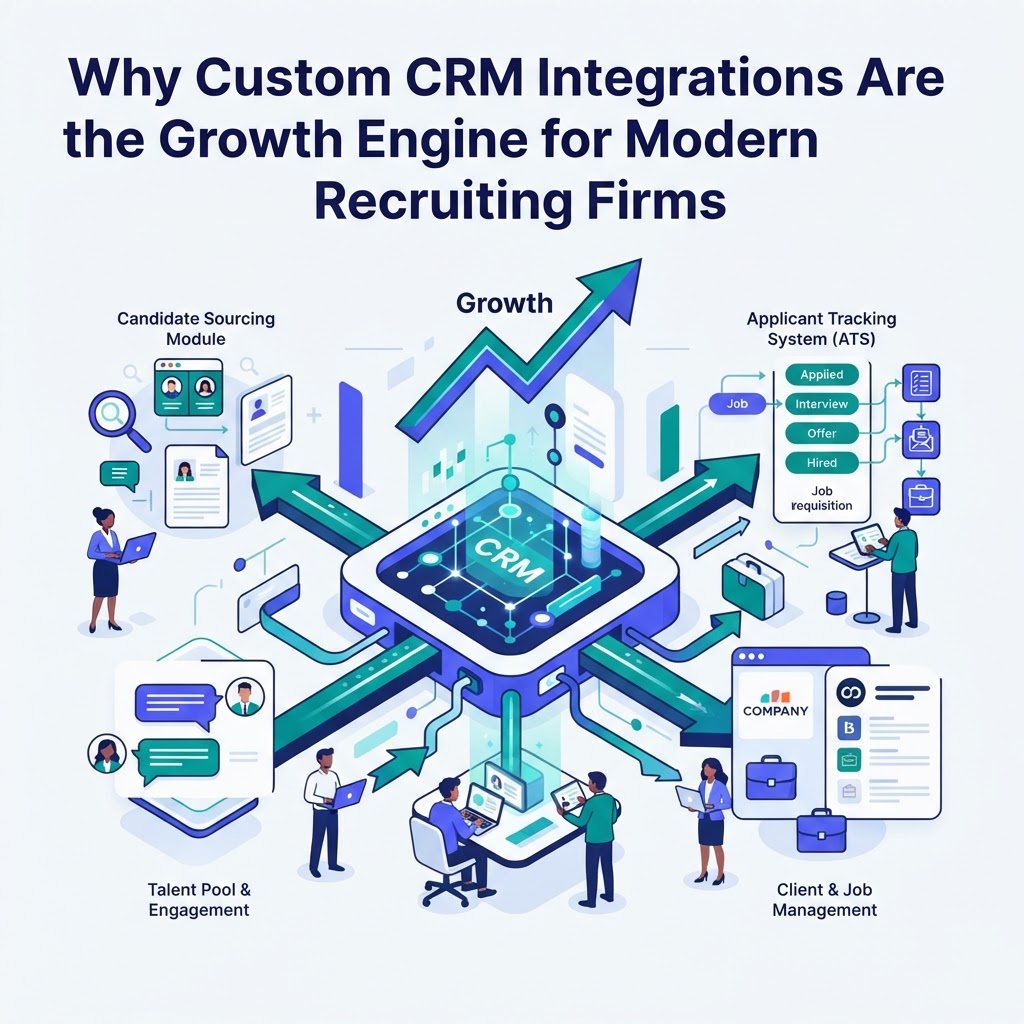
AI is only as good as the data it consumes. Many recruiters are distracted by shiny new outreach tools, yet they ignore the fact that their internal database is outdated or fragmented. Without a unified CRM like RecruiterCRMFlow, your AI tools are essentially working in a vacuum, unable to access your historical candidate relationships.
An AI-powered CRM acts as the "source of truth." By consolidating candidate history, past interactions, and nuanced feedback into a single profile, AI can finally make accurate predictions about candidate availability or interest levels. If your data is scattered across spreadsheets and email threads, no amount of AI-generated email copy will help you close deals faster.
Distinguishing Hype from Productivity Features
When evaluating new tech, it is vital to apply the 'efficiency test.' Ask yourself if a tool solves a specific bottleneck or if it adds another layer of oversight. High-value features typically focus on the following:
- Automated activity logging: Reducing the manual data entry required by recruiters.
- Contextual candidate summarization: Providing a 30-second snapshot of a candidate’s fit based on their entire interaction history.
- Predictive follow-up reminders: Ensuring no promising candidate is left behind due to a forgotten touchpoint.
If a tool requires more time to configure and maintain than the manual task it replaces, it is hype. RecruiterCRMFlow focuses on the latter, automating the mundane administrative tasks that otherwise consume 30% of a recruiter's workday.
The Risk of "Ghost" Talent and Lost History
One of the greatest dangers in 2026 is the "black hole effect," where recruiters rely on new platforms that don't integrate with their legacy candidate pools. If you are constantly sourcing new candidates because you cannot effectively search your existing network, your cost-per-hire will inevitably skyrocket.
Effective AI should surface "ghost" talent—those candidates you interviewed two years ago who are now perfect for a new role. If your platform doesn't make this historical data accessible and searchable, you are effectively paying for the same candidate twice. Using a platform that treats your database as a living asset rather than a graveyard is the only way to realize true ROI.
Practical Steps to Build an AI-Ready Workflow
To move forward effectively, you must audit your current tech stack for redundancy. Start by identifying the three most repetitive tasks in your current week. If your CRM cannot automate at least two of those, it is time to upgrade to a system that prioritizes integration and intelligence over basic storage.
- Implement automated data enrichment for every new candidate entry.
- Ensure your ATS/CRM allows for bi-directional synchronization with email and calendar tools.
- Use AI-driven analytics to identify which channels provide the highest quality hires rather than just the highest volume of applicants.
Conclusion: The Human Edge in an AI World
AI in 2026 is not a replacement for human judgment; it is a tool for removing the administrative friction that prevents recruiters from doing what they do best: building relationships. By selecting tools that enhance data accuracy, integrate seamlessly with your CRM, and surface hidden talent from within your own database, you position your agency to thrive. Focus on the tools that bring you closer to your candidates, not the ones that create a barrier of synthetic automation.