The recruitment landscape in 2026 has moved far beyond the initial AI frenzy. We no longer ask if AI works, but rather, which tools genuinely improve hiring outcomes and which simply add unnecessary noise to an already complex workflow. For recruitment agencies, the challenge is distinguishing between automation that scales productivity and superficial features that complicate the talent acquisition process.
The Evolution of CV Parsing and Data Integrity
Historically, parsing tools were rigid, often failing to interpret non-standard resume formats or nuanced skill sets. In 2026, the gold standard has shifted toward context-aware extraction. Modern AI now understands the relationship between roles, technical stacks, and industry-specific terminology rather than just keyword matching.
However, even the most advanced parser is useless if the data flows into a fragmented system. When your parsing tool isn't integrated directly into your CRM, you end up with data silos. RecruitingCRMFlow bridges this gap by ensuring that every parsed profile is automatically enriched and linked to relevant job orders, preventing the loss of candidate information that often happens when tools operate in isolation.
Matching Algorithms vs. Human Intuition
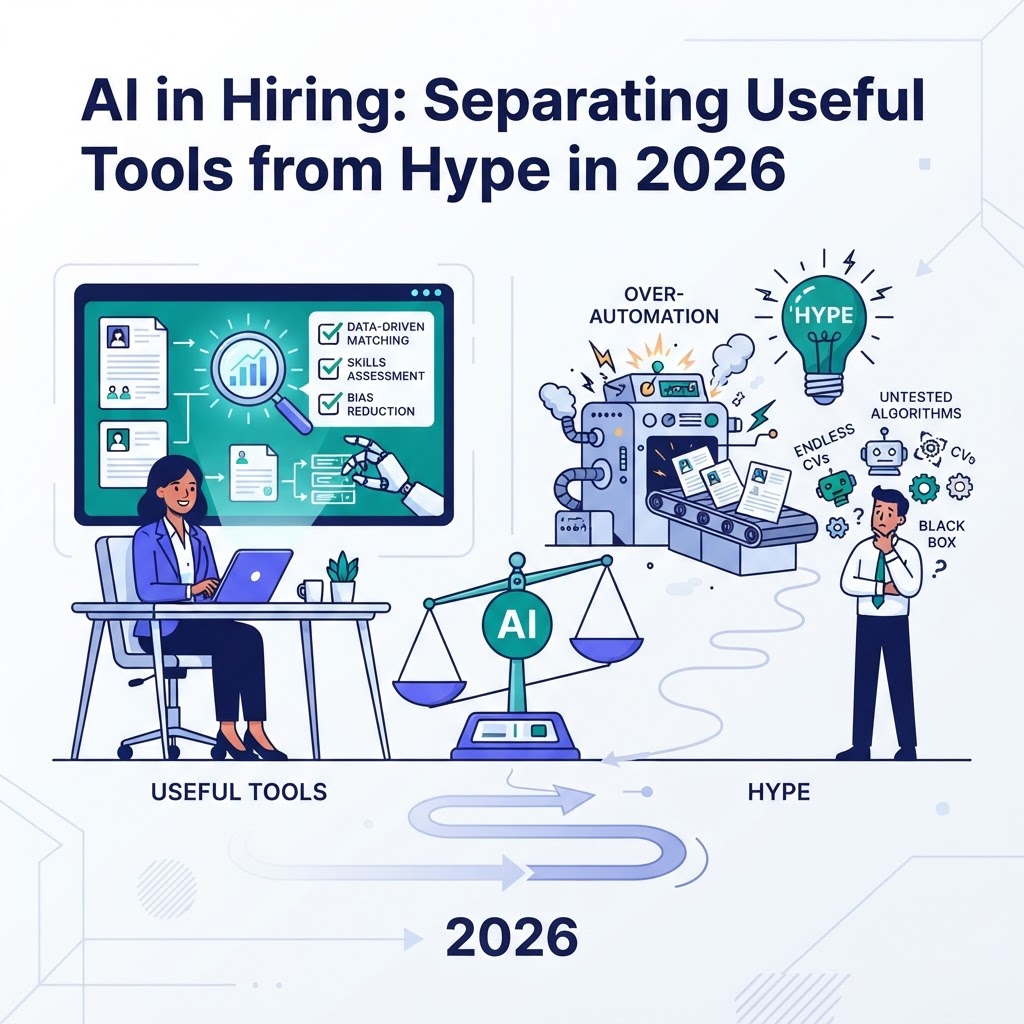
AI matching engines have reached a point where they can process thousands of candidate profiles in seconds, surfacing top-tier matches with impressive accuracy. But the hype often suggests these tools replace the recruiter entirely. The reality is that AI matching works best as a filter, not a decision-maker.
The most effective agencies use AI to rank candidates based on compatibility scores, while reserving human judgment for cultural fit and soft skill evaluation. If your matching engine is a 'black box'—providing no transparency on why a candidate was ranked highly—it’s time to switch. You need a system that offers visibility into the matching criteria so you can adjust parameters based on client requirements.
Automating the CRM: Eliminating Lost Talent
One of the most significant pitfalls in modern recruiting is the 'forgotten candidate.' Agencies often have thousands of records in their database but struggle to find the right person for a new role. AI-driven CRM features now allow for intelligent re-engagement, identifying candidates who haven't been contacted in 180 days but possess the skills currently in high demand.
Without a centralized CRM like RecruitingCRMFlow, this data is effectively lost. When your CRM is stagnant, you are essentially paying for leads twice. Automated nurturing and AI-suggested touchpoints turn a dormant database into a competitive advantage, ensuring that your most valuable asset—your past candidate relationships—is always active.
The Efficiency Metric: Time Saved vs. Time Spent
How do you know if an AI tool is worth the investment? The answer lies in your time-to-shortlist metric. If a tool requires your team to spend more time cleaning its output than it saved in the initial phase, it is purely hype. In 2026, successful agencies measure AI ROI by looking for:
- A minimum of 30% reduction in manual data entry hours per recruiter.
- Increased candidate response rates from automated, personalized outreach.
- A reduction in 'ghosting' through smart interview scheduling and follow-up reminders.
Avoiding the Hype Trap
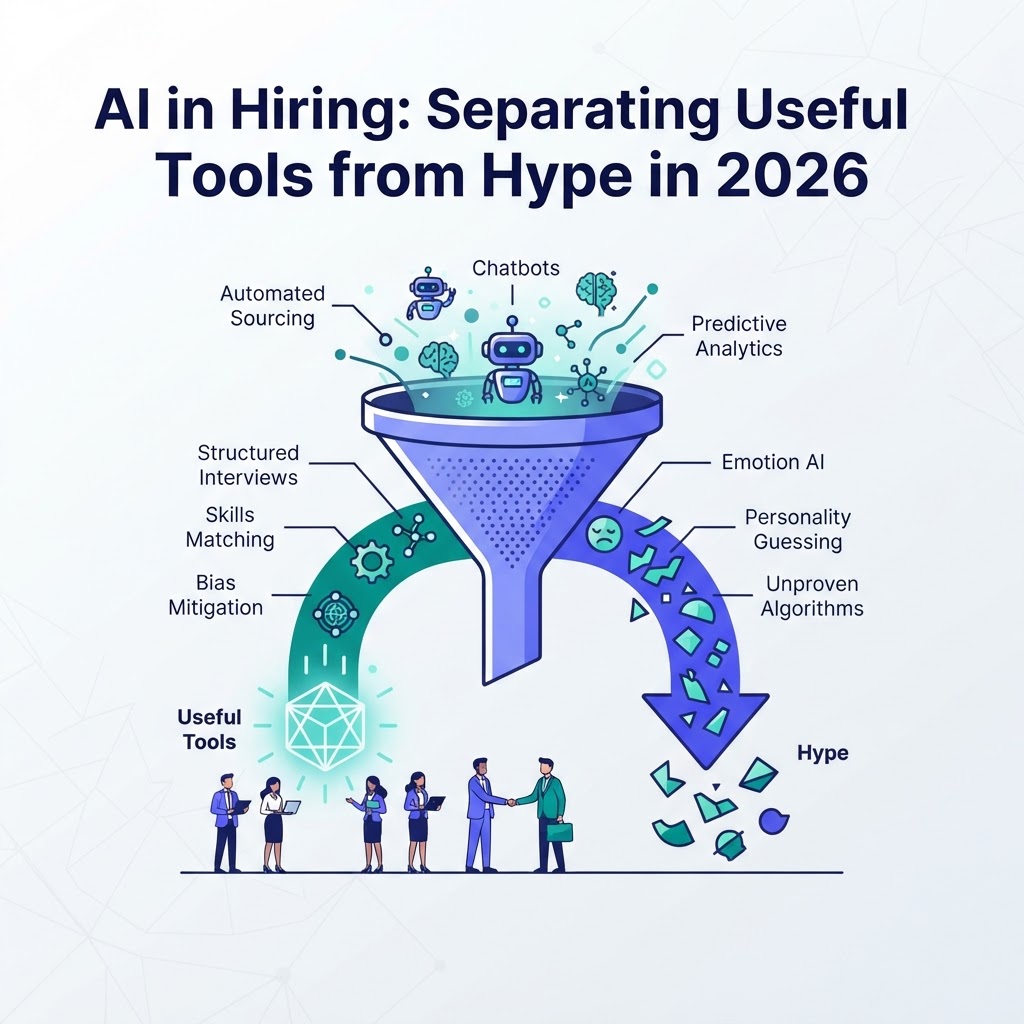
As you evaluate new technologies, watch out for vendors promising 'miracle' solutions that require no human input. These platforms often fail to integrate with your current tech stack, leading to disconnected workflows that waste time rather than saving it. Look for platforms that prioritize open APIs and seamless integration.
RecruitingCRMFlow is built on the philosophy that AI should act as an invisible engine behind your existing workflow, not a replacement for it. By focusing on essential functions—parsing, matching, and CRM automation—we help agencies avoid the fatigue of managing too many disparate software solutions.
Conclusion
The goal of AI in 2026 is simple: give recruiters their time back to focus on building relationships. Don't be seduced by the latest trend if it doesn't solve a tangible business problem. Focus on robust, integrated systems that manage your candidate lifecycle from end to end. By grounding your strategy in tools that truly augment your process, you can maintain a competitive edge and ensure no talent or opportunity slips through the cracks.