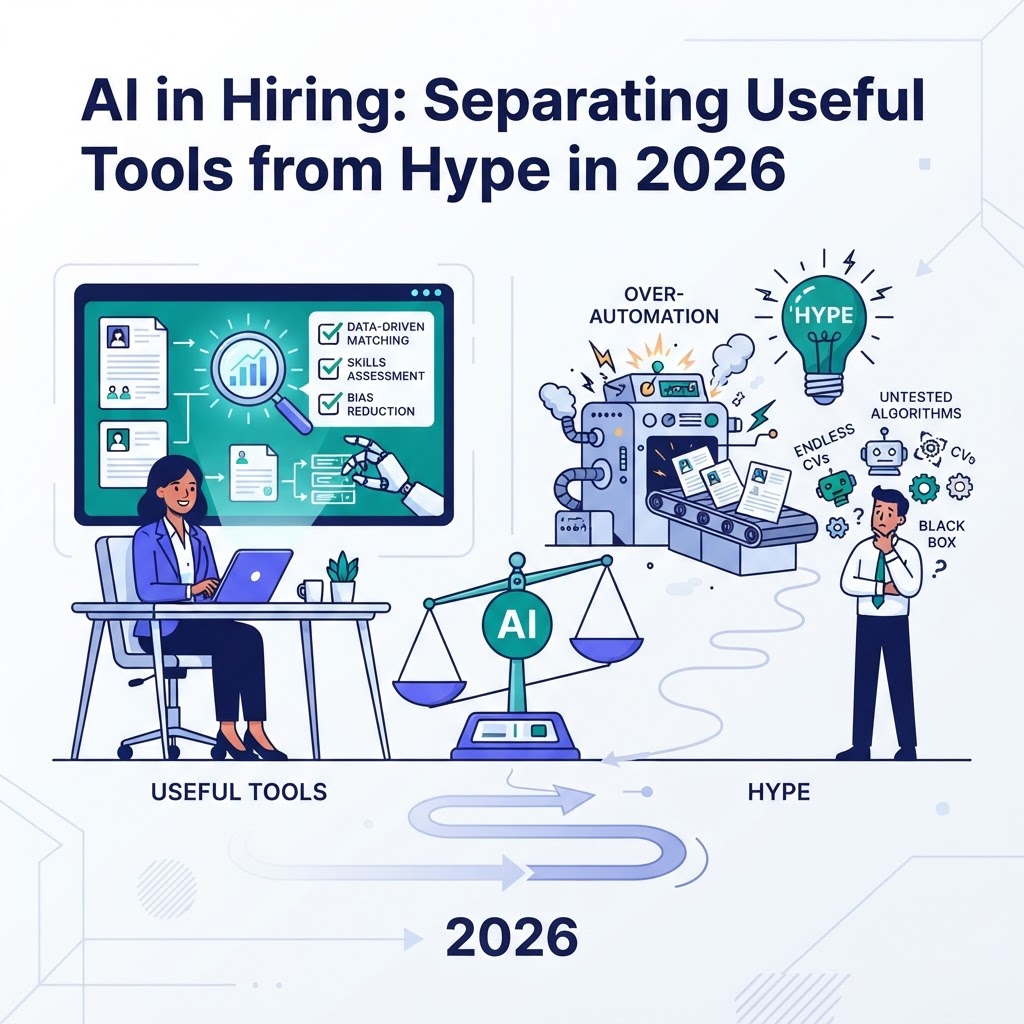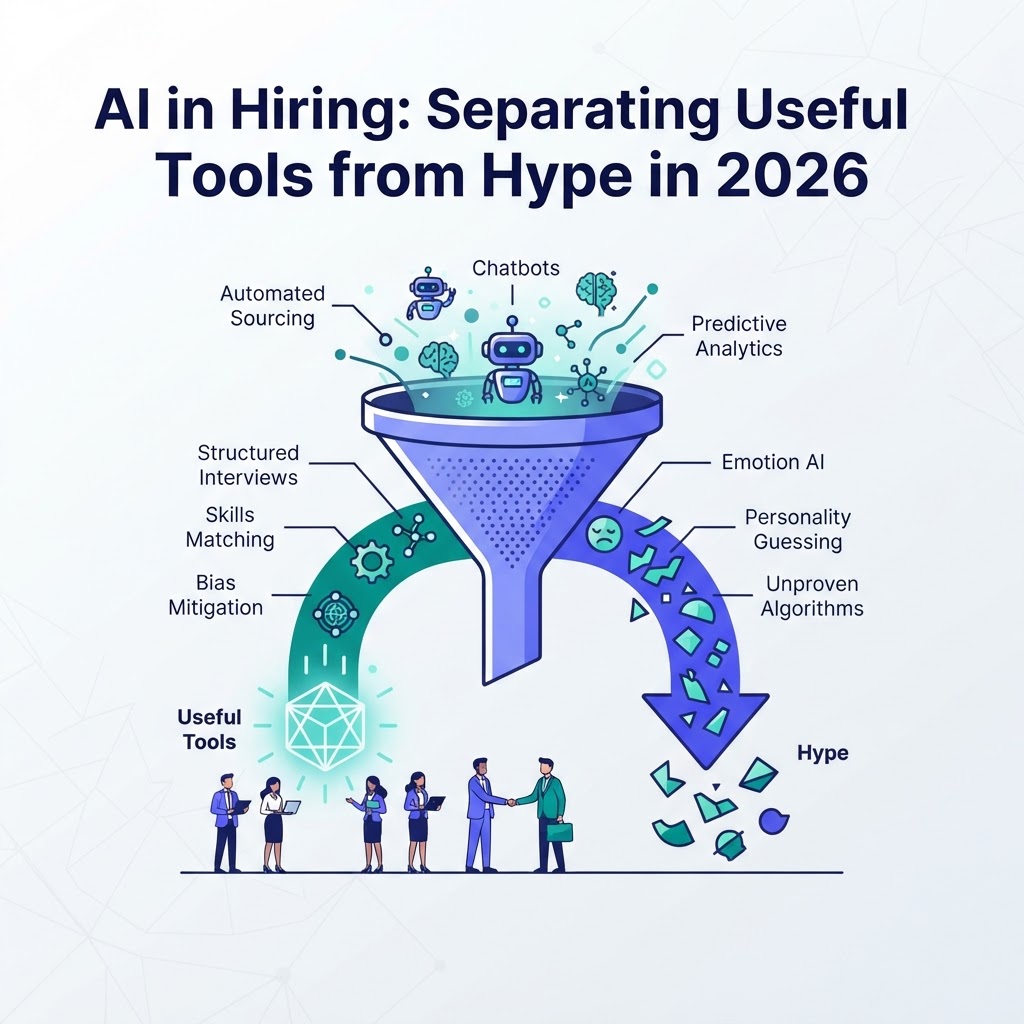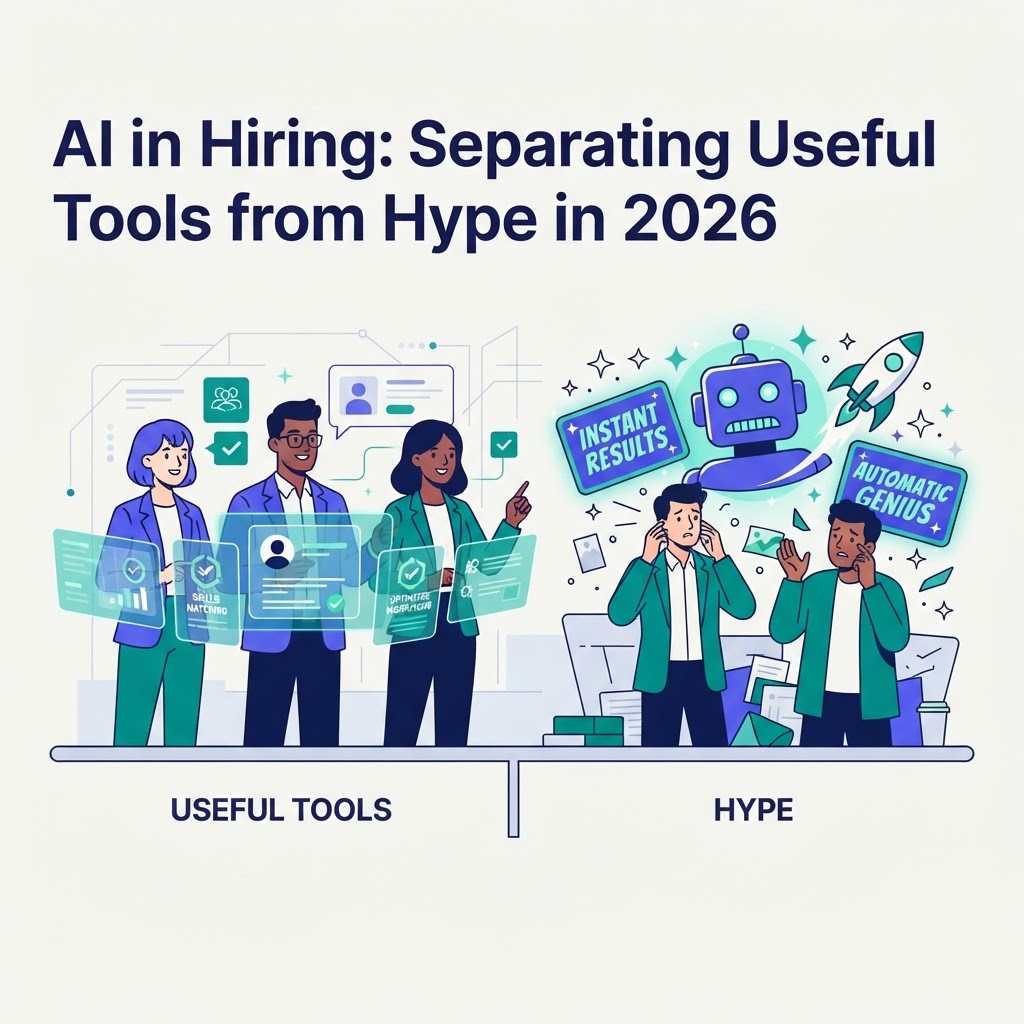
The year 2026 finds the recruitment industry at an inflection point. While early AI adopters once relied on basic chatbots to handle initial inquiries, the current landscape is saturated with sophisticated tools promising to automate everything from sourcing to the final offer. Yet, as recruiters sift through these promises, the gap between transformative efficiency and superficial hype has never been wider. The true value of AI in hiring is not found in replacing human intuition, but in reclaiming the hours lost to administrative friction.
The Evolution of Intelligent CV Parsing
By 2026, CV parsing has moved beyond simple keyword extraction. Historically, ATS tools relied on rigid Boolean logic that failed to account for nuance, often discarding high-potential candidates who phrased their experience differently. Modern AI-driven parsing, now a standard module within platforms like RecruiterCRMFlow, utilizes Large Language Models (LLMs) to interpret intent. These tools can now infer skills through contextual analysis, recognizing that an 'Agile Coach' in a software firm may possess transferable leadership traits essential for a 'Technical Product Manager' role. The hype lies in tools that promise 'zero-touch' hiring, but the reality is that the most effective systems simply reduce manual data entry by 85%, allowing recruiters to focus on the human side of candidate relationships.
Matching Algorithms and the Data Quality Trap
Candidate-to-job matching has historically been the 'holy grail' of recruitment technology. Today, AI-powered matching engines compare candidate profiles against complex job requirements with remarkable speed. However, these tools are only as good as the underlying data. Many agencies fail to realize that their CRM acts as the foundation for these models. If your candidate records are fragmented or outdated, your AI will produce biased or irrelevant matches. Integrating these algorithms directly into a central CRM like RecruiterCRMFlow ensures that every match is anchored in a clean, historical record of interactions, preventing the common mistake of 'lost talent' where a previously vetted candidate is ignored simply because their status wasn't updated in the system.
Automating the CRM: Moving Beyond Noise
One of the most persistent issues in 2026 is the 'black hole' of the recruitment CRM. Recruiters spend an average of 40% of their day manually updating candidate statuses and drafting personalized follow-up emails. AI-driven CRM features now allow for automated sentiment analysis and interaction logging. Instead of manual entry, an AI agent can listen to a transcript, summarize the key takeaways, and update the candidate's journey map automatically. This level of automation is not just hype; it is a tactical necessity to prevent losing top-tier talent to faster, more responsive competitors. By using an integrated system, recruiters can ensure no conversation is forgotten, preserving the integrity of their talent pipeline.
Separating Productivity from Performance
There is a significant difference between tools that increase productivity and those that improve performance. A tool that sends out 500 templated emails a day is a productivity tool, but it often degrades the employer brand. A performance tool, by contrast, uses predictive analytics to identify when a candidate is likely to be open to a new opportunity based on their career lifecycle. High-performing agencies now prioritize AI that suggests the 'next best action'—such as prompting a recruiter to reach out to a candidate who has been in their role for exactly three years. These actionable insights provide a competitive edge, whereas bulk-automation tools often lead to a cluttered database and a diminished talent experience.
Building a Sustainable AI Infrastructure
Implementing AI should not require an engineering degree or a total overhaul of your agency's operations. The best solutions in 2026 are those that embed AI features into existing workflows. RecruiterCRMFlow, for instance, focuses on augmenting the recruiter's existing process rather than replacing it. When you invest in an ecosystem where your ATS and CRM talk to each other, you eliminate the 'information silos' that lead to lost time and missed placements. The key is to start with specific pain points—like slow lead response times or manual data entry—and deploy AI tools that specifically target those inefficiencies rather than buying an all-in-one 'magic bullet' that lacks depth.
In conclusion, the goal of AI in 2026 is not to remove the recruiter from the loop, but to provide them with the intelligence required to make faster, more informed hiring decisions. By focusing on data cleanliness, workflow integration, and targeted automation, agencies can filter out the market noise. Focus on tools that solve the problem of lost time and fragmented data, and you will find that AI is a powerful multiplier for human performance rather than a distraction.