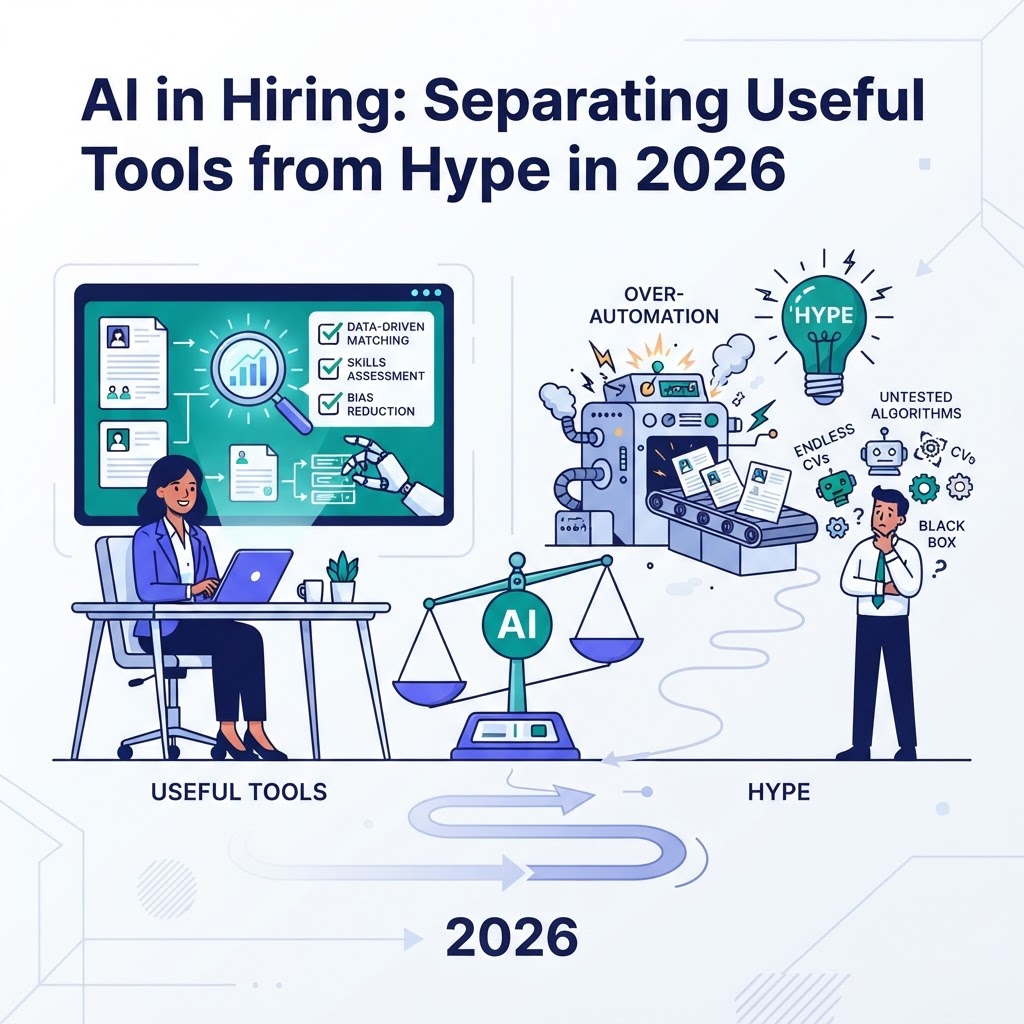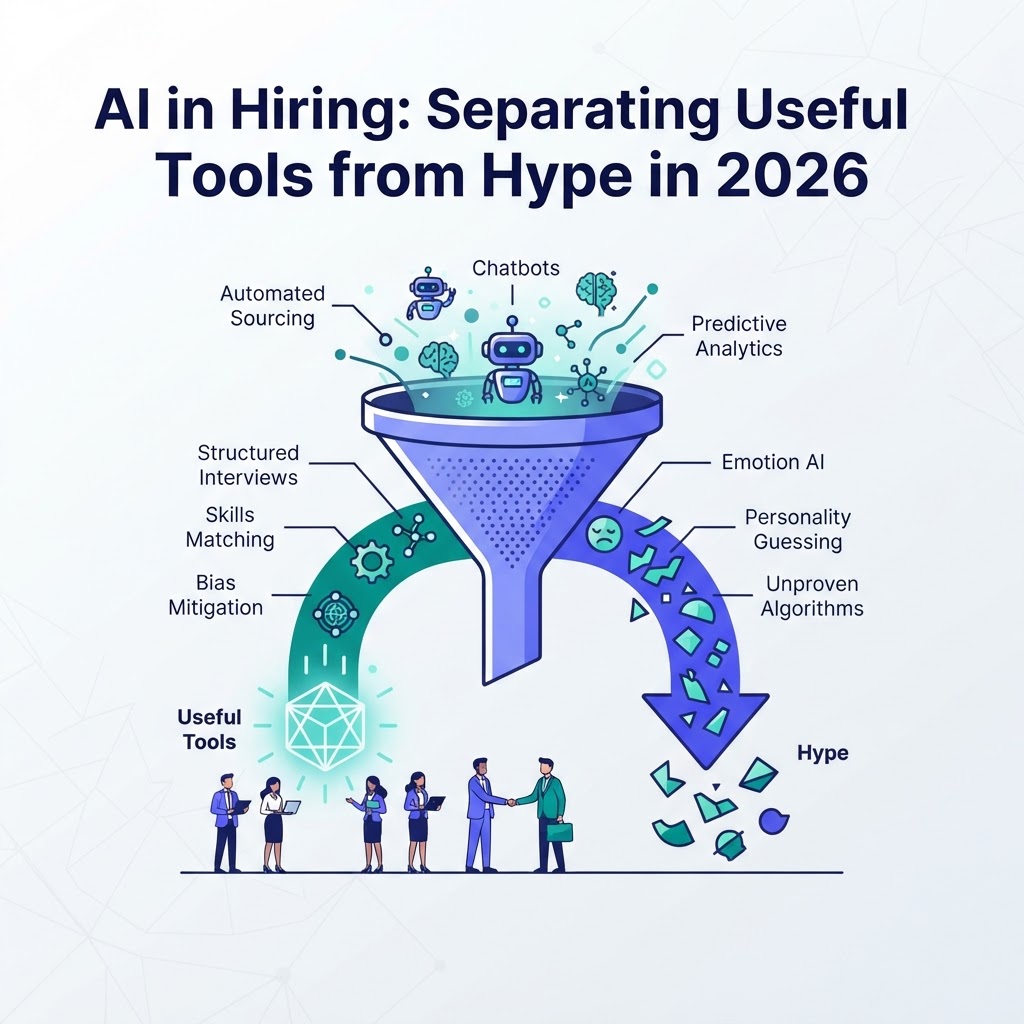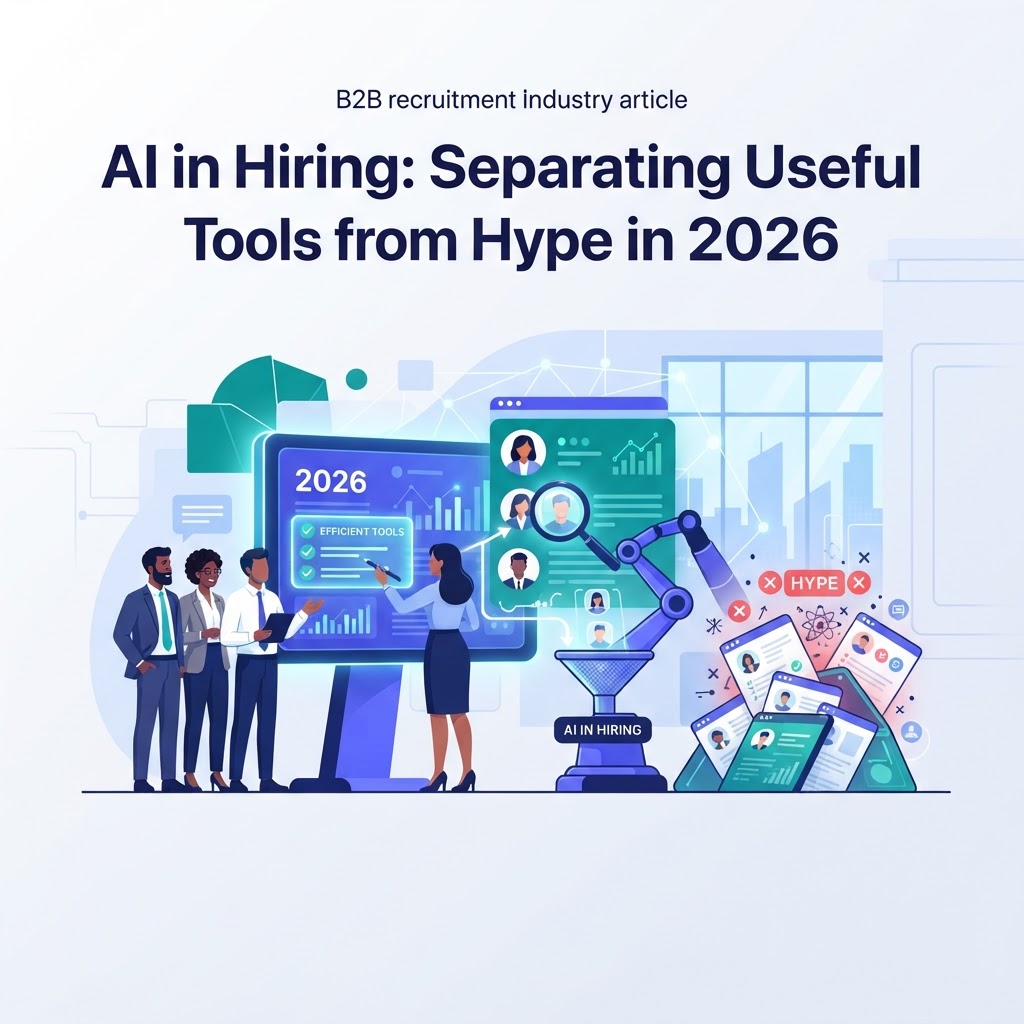
As we move further into 2026, the recruitment industry has reached a saturation point with artificial intelligence. Every vendor claims their platform is 'AI-powered,' yet many tools provide little more than basic automation wrapped in complex language. For recruiters and talent acquisition leads, the challenge is no longer finding tools that use AI, but identifying those that actually reduce time-to-hire and improve candidate quality. The noise is louder than ever, but the signal—true operational efficiency—is buried in the data architecture of your primary systems.
The Evolution of CV Parsing and Candidate Matching
By 2026, traditional keyword-based CV parsing has been rendered obsolete by semantic analysis. Modern AI doesn't just search for a 'Java developer'; it understands that someone with experience in Spring Boot, microservices, and API architecture is a candidate for the same role, even if the resume doesn't explicitly use the phrase 'Java.'
Practical application is where the gap between hype and reality becomes apparent. Useful tools now offer contextual matching that ranks candidates based on the actual likelihood of them being interested in the role, rather than just technical fit. If your ATS relies on static keyword matching, you are likely losing 30-40% of qualified talent to low-rank scores. Look for systems that integrate this semantic search directly into your sourcing workflow rather than requiring a separate tab or application.
CRM Intelligence: Turning Lost Contacts into Hires
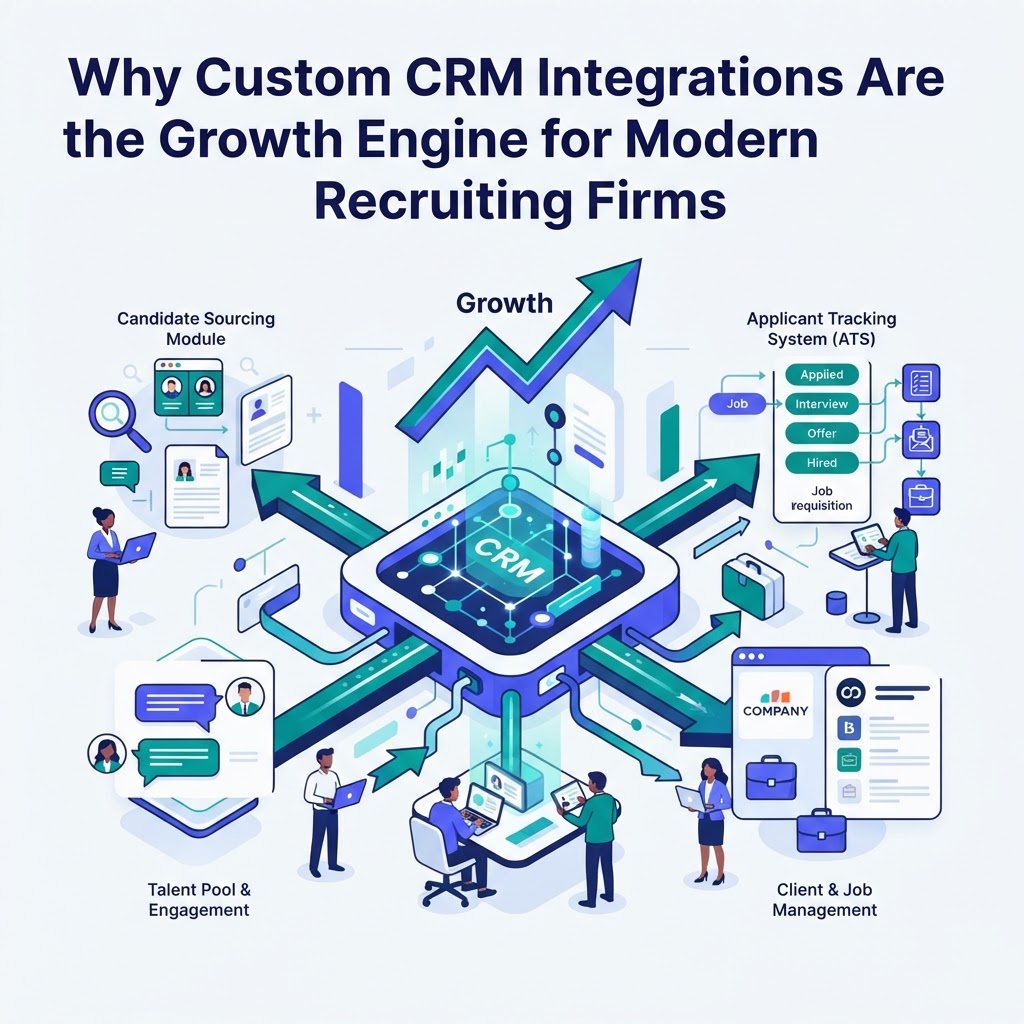
One of the greatest inefficiencies in recruitment is the 'lost candidate' phenomenon—the thousands of profiles sitting in a legacy database that have never been contacted or updated in years. This is where a specialized recruiting CRM like RecruiterCRMFlow proves its value over basic ATS platforms. While a standard ATS tracks a transaction, a CRM tracks a relationship.
Advanced AI in 2026 now automates the 'nurture' process by monitoring external signals—such as a candidate updating their portfolio or changing their status on public platforms—and alerting the recruiter. Without this, your database is just a digital graveyard. RecruiterCRMFlow solves this by automatically tagging inactive profiles and suggesting personalized re-engagement campaigns based on the candidate's last interaction. This prevents the loss of talent that you have already paid to attract, effectively lowering your cost-per-hire by maximizing your existing database ROI.
Separating Productivity Gains from Artificial Complexity
Not every AI task is worth automating. A common trap in 2026 is the use of AI to generate hundreds of generic, personalized outreach messages. While the speed is impressive, the candidate experience often suffers when the messages feel 'robotic' or lack genuine insight. The most effective AI features are those that facilitate human connection, not replace it.
Look for tools that prioritize the following:
- Automated scheduling that syncs with personal calendars to avoid back-and-forth emails.
- AI-drafted interview summaries that highlight key points from transcripts for faster hiring team review.
- Automated data hygiene, where the system corrects duplicate entries and updates contact details without manual input.
If a tool adds more clicks than it saves, it is likely hype. A platform like RecruiterCRMFlow focuses on removing the 'administrative weight' that prevents recruiters from doing what they do best: building relationships.
Metrics that Matter: Measuring AI ROI
How do you know if your AI investment is working? In 2026, you should focus on three core metrics: time-to-first-interview, interview-to-offer ratio, and data health scores. If your AI tools are effective, your time-to-first-interview should drop by at least 20% due to faster matching. If your interview-to-offer ratio remains flat or declines, the AI is likely feeding you 'high match' candidates that lack the soft skills required for the role.
Tracking these metrics requires a CRM that centralizes all activity. When data is siloed across email, LinkedIn, and a disconnected ATS, you lose the ability to perform accurate analytics. RecruiterCRMFlow ensures that every touchpoint is captured, giving you the visibility needed to audit whether your AI tools are actually delivering results or just creating busy work.
The Future of Hiring is Human-Centric
As we look ahead, the winners in the recruitment space will be those who use AI to become more human, not less. The most successful teams use AI to automate the mundane—parsing, scheduling, data entry, and status updates—so they have the bandwidth to conduct deep, meaningful interviews and provide an excellent candidate experience. Technology should be a silent partner that powers your workflow, not a noisy distraction. By focusing on systems that integrate your candidate pipeline, your CRM, and your communication, you can stop chasing the hype and start closing more placements.