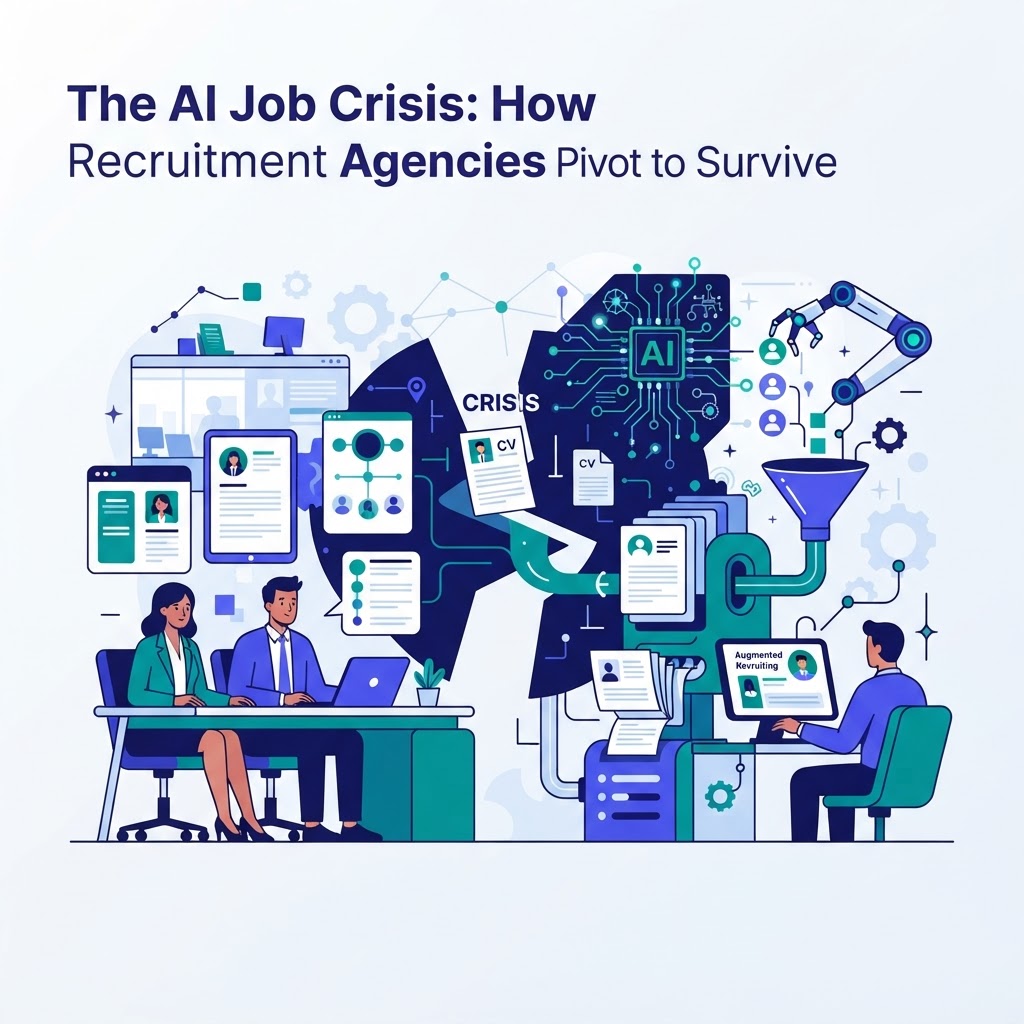
The narrative surrounding Artificial Intelligence has shifted from a distant corporate buzzword to an immediate, transformative force in the global workforce. As automation replaces traditional administrative and analytical tasks, agencies are finding their candidate pools flooded with displaced talent whose skill sets no longer align with current market requirements. This represents both a crisis and an unprecedented opportunity for recruitment firms to prove their worth as strategic workforce partners.
The Anatomy of the AI Displacement Wave
Recent data from the World Economic Forum suggests that while 85 million jobs may be displaced by AI by 2025, 97 million new roles will likely emerge. However, this transition is not instantaneous. We are currently in a friction-heavy period where thousands of highly competent professionals find their roles obsolete. The challenge for recruiters is that these candidates are not inherently unemployable; they are simply untrained for the nuances of AI-augmented workflows. Without a systematic way to track these candidates and map their transferrable skills, agencies risk losing top-tier talent to competitors or allowing them to drop out of the workforce entirely.
Rethinking Talent Pipelines Through Reskilling
Recruiters must evolve from simple resume-passers to career architects. When a candidate from a traditional accounting background faces displacement due to automation software, an agency shouldn't just close the file. Instead, the focus must shift to identifying 'adjacent skills.' For instance, a financial analyst possesses the analytical rigor required to thrive in a data-labeling or AI-prompt engineering role. By using a platform like RecruiterCRMFlow, agencies can tag these candidates with specific 'reskilling potential' labels, ensuring that when an employer comes looking for AI-literate talent, the agency already has a curated, ready-to-pivot shortlist.
Why Your CRM is Your Most Vital Asset
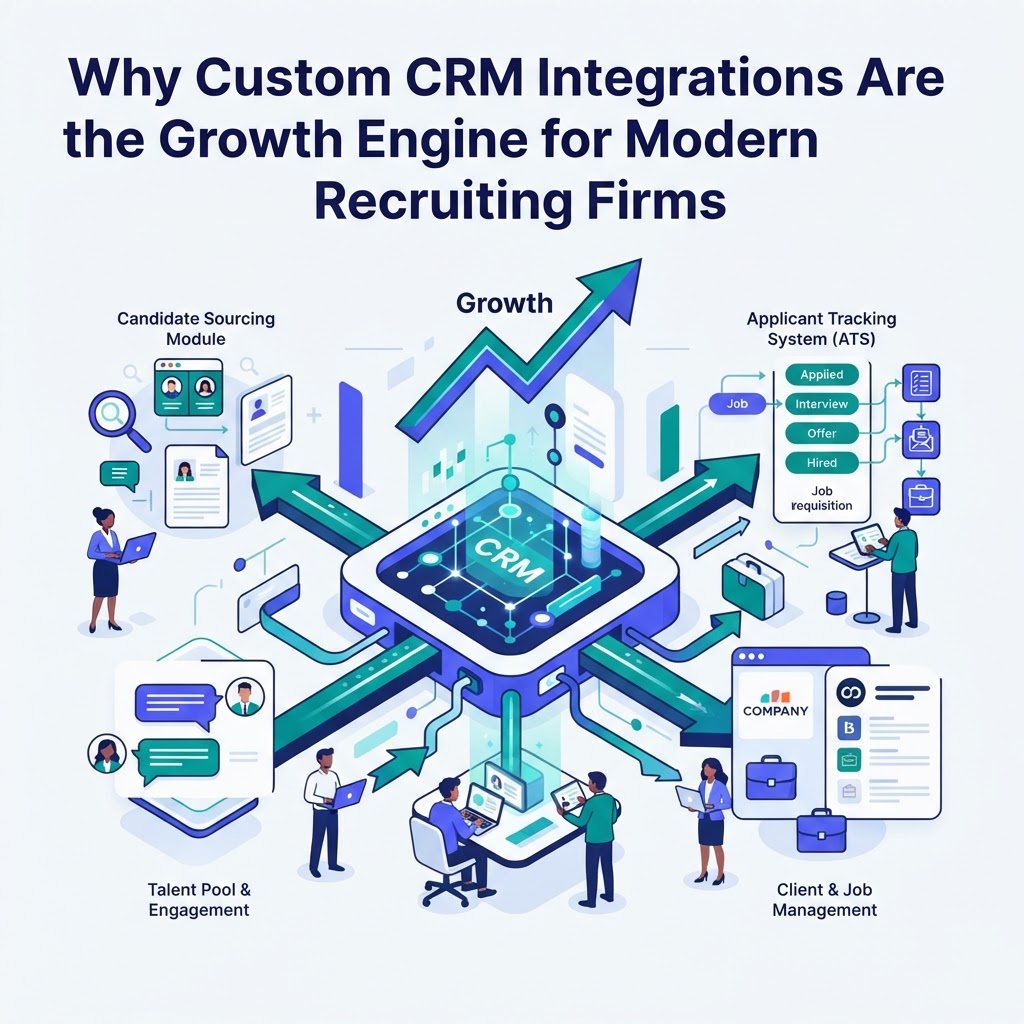
Many agencies are losing candidates because they rely on fragmented spreadsheets or outdated databases that fail to capture the evolving nature of talent. When a candidate loses a job, their contact information often gets buried in a legacy ATS. RecruiterCRMFlow serves as the centralized nervous system for this new era, allowing agencies to:
-
Automate follow-up sequences for displaced candidates during their transition periods.
-
Track specific training certifications or AI proficiency levels across the entire database.
-
Maintain relationship history so that when a candidate completes a pivot, the agency is the first to know.
-
Identify hidden trends in your candidate pool, such as a surplus of displaced project managers ready for tech-adjacent roles.
Bridging the Gap Between Employers and Candidates
Employers are currently struggling to fill roles that didn't exist two years ago. They need individuals who possess a blend of domain expertise and the ability to leverage Generative AI. Recruitment agencies must act as the translation layer. If an employer needs an AI-savvy copywriter, they shouldn't be looking for someone who has simply used ChatGPT; they need an expert communicator who understands the ethical and practical implications of the tool. Recruiters must verify this depth of skill during the vetting process and document these capabilities clearly within their CRM workflows, ensuring every candidate profile is a narrative of growth rather than a static list of past roles.
The Strategic Pivot for Agencies
To survive the AI-era talent crunch, agencies must stop viewing candidates as commodities and start viewing them as dynamic assets. This requires a shift in internal culture and technology. Agencies that fail to invest in a robust CRM will inevitably lose time—time spent manually digging for candidates who possess the right aptitude for modern roles. By leveraging the advanced data segmentation and automation features in RecruiterCRMFlow, your team can pivot their focus from repetitive administrative tasks to the high-touch, consultative work that AI cannot replace.
Conclusion
The AI job crisis is not a death knell for recruitment; it is a catalyst for professionalization. As roles evolve, the need for human intuition, relationship management, and strategic career matching has never been higher. Agencies that embrace technology to manage their talent more effectively—ensuring no candidate is left behind—will not only survive this transition but will emerge as the dominant force in the future of work.