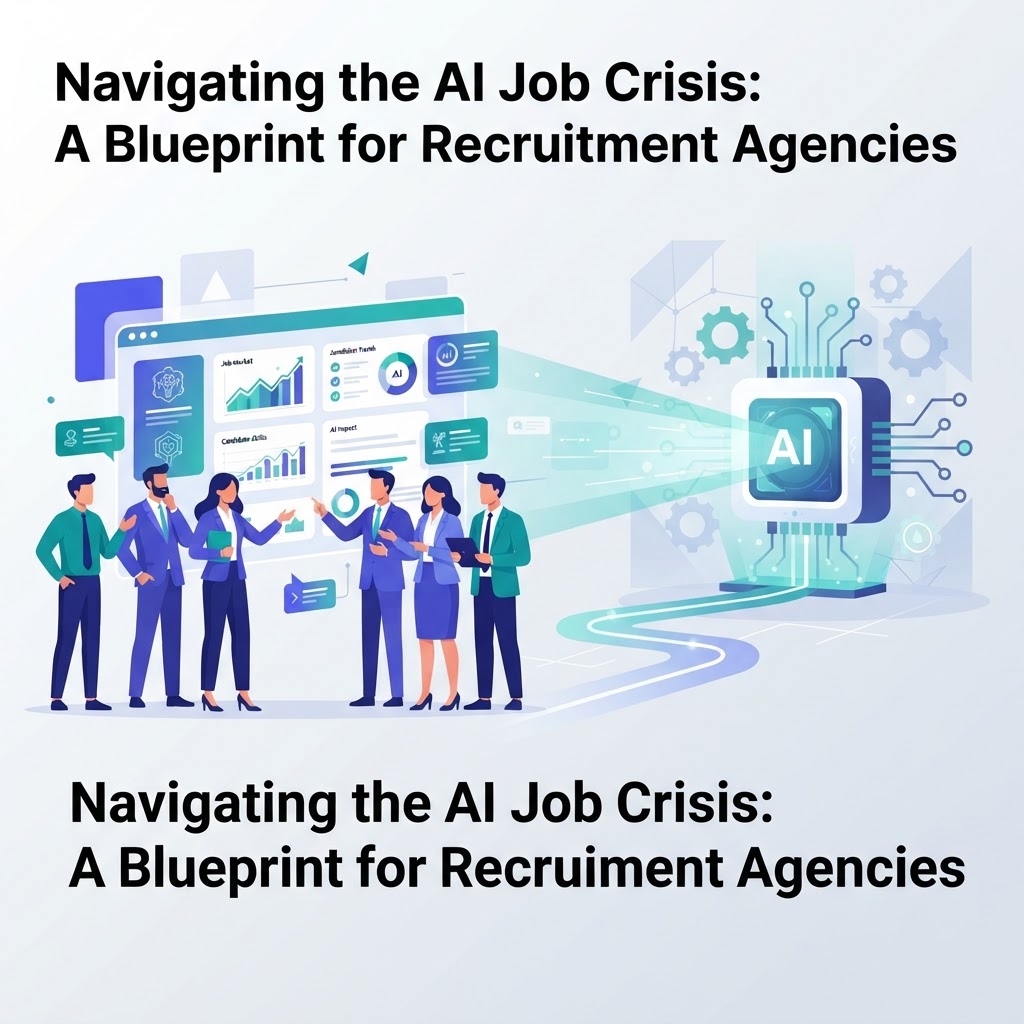
The rapid advancement of artificial intelligence has moved from a theoretical future to an immediate economic reality. As automation shifts the professional landscape, recruitment agencies find themselves at a crossroads. While some roles are being displaced, a new category of human-centric and tech-enabled positions is emerging. For recruitment agencies, this represents both a significant challenge in candidate sourcing and an opportunity to redefine their value proposition as strategic talent partners.
The Reality of AI-Driven Displacement
Recent data indicates that nearly 30% of tasks in 60% of occupations could be automated by 2030. We are currently witnessing a contraction in entry-level administrative, data entry, and junior research roles. This displacement is not merely about job loss; it is about a fundamental change in the skills required to remain competitive. Agencies must move away from transactional recruiting models and focus on mapping displaced professionals to roles that prioritize critical thinking, emotional intelligence, and complex problem-solving.
Strategic Reskilling as a Value Proposition
Agencies can no longer afford to be passive repositories of resumes. To survive the AI shift, recruiters must become talent developers. By partnering with e-learning platforms and industry certifications, agencies can help candidates bridge the gap between their current skill sets and the emerging demands of the AI economy. When you identify a candidate whose role has been automated, your goal is to assess their transferable skills—such as project management or stakeholder communication—and guide them toward high-demand sectors like AI ethics, prompt engineering, or technical project management.
Solving the Talent Management Dilemma
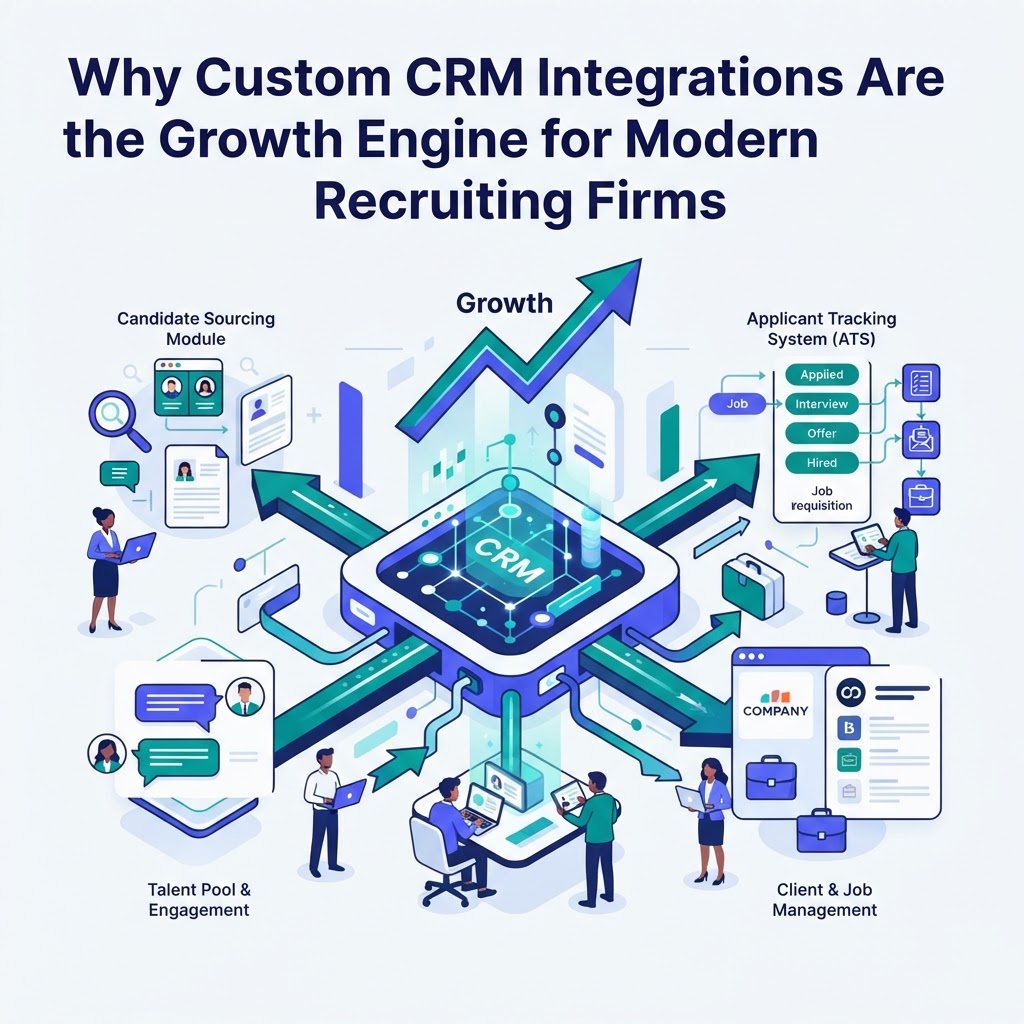
In the chaos of shifting job descriptions and displaced workers, the greatest risk for a recruitment firm is losing track of candidates. If your agency is still managing talent pipelines in spreadsheets or disjointed email threads, you are losing valuable ground. RecruiterCRMFlow acts as the central intelligence hub for this transition. By utilizing an integrated CRM and ATS, recruiters can systematically tag candidates based on new skill sets acquired through reskilling initiatives. This allows for instant searching and automated matching, ensuring that no candidate is left behind simply because their previous title no longer matches current industry trends.
Bridging the Gap: The Human Touch
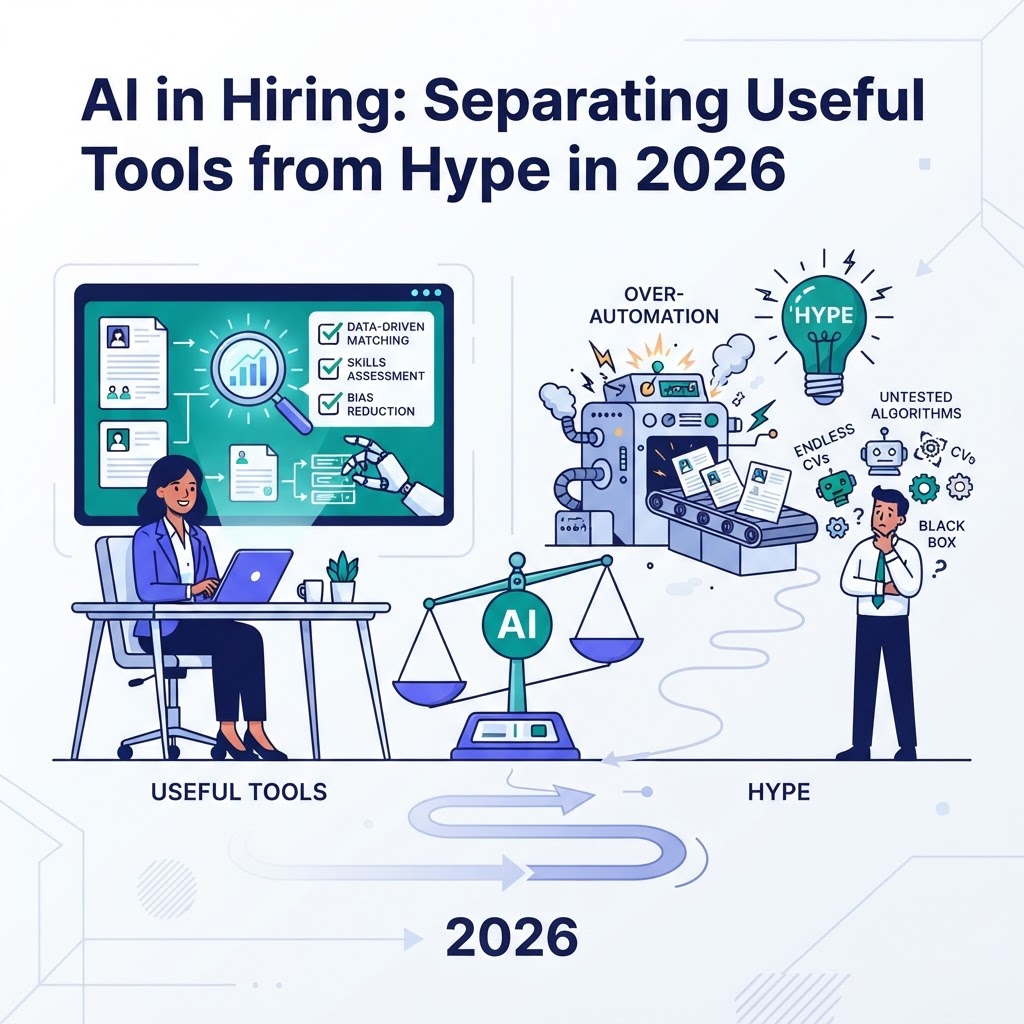
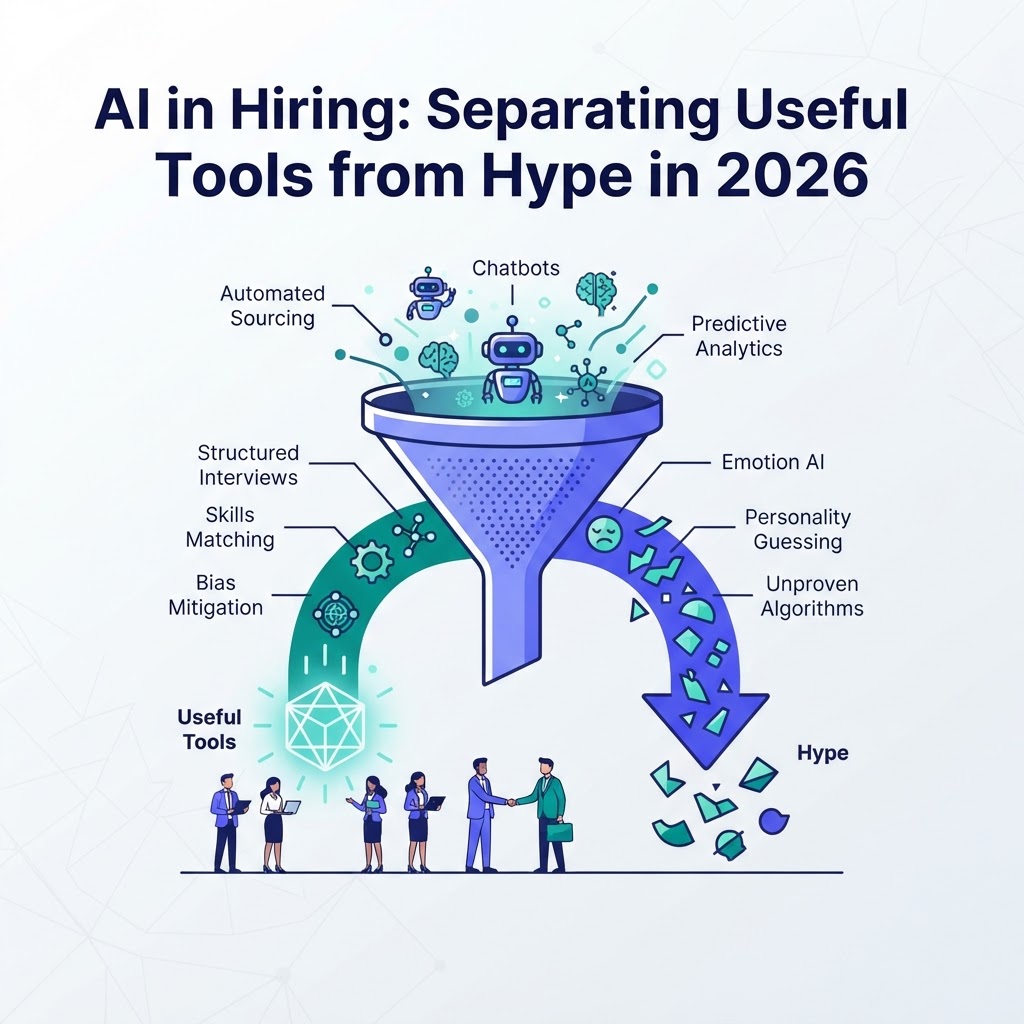
AI is excellent at screening resumes, but it cannot gauge the cultural fit or the resilience of a candidate navigating a career pivot. Recruitment agencies provide the human nuance that software lacks. To adapt, agencies should focus on:
-
Implementing personality and cognitive assessments that measure potential rather than historical experience.
-
Investing in mentorship programs to prepare candidates for the specific nuances of AI-integrated workplaces.
-
Leveraging RecruiterCRMFlow to track the lifecycle of a candidate’s transformation, keeping them engaged through personalized nurturing sequences as they upskill.
Why Agencies Must Adopt Modern Tech Stacks
Without a robust technological foundation, the sheer volume of data required to manage modern talent pools is impossible to process efficiently. Using RecruiterCRMFlow provides the analytical insights needed to identify which segments of your database are most affected by AI trends. By analyzing your own internal data, you can pivot your marketing efforts to attract clients in growing sectors. Modern agencies must track every interaction, every skill update, and every engagement touchpoint to provide the data-driven insights clients now demand.
Conclusion
The AI job crisis is not the end of recruitment; it is the end of mediocre recruitment. By positioning your agency as a bridge for talent, investing in candidates' professional development, and utilizing platforms like RecruiterCRMFlow to organize your workflow, you can turn a period of market disruption into a competitive advantage. The future belongs to agencies that prioritize the human element while utilizing the best tools to maintain speed and precision in a changing world.