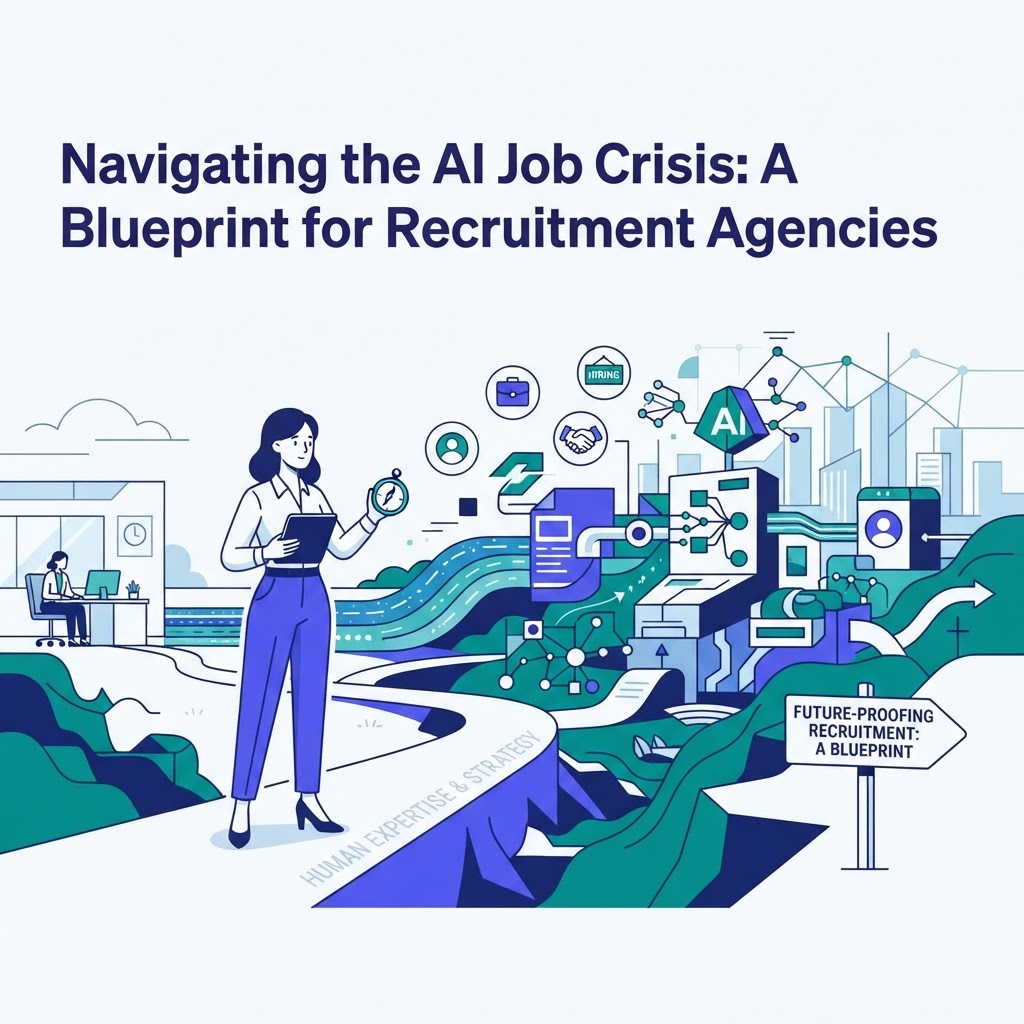
The rapid advancement of artificial intelligence has triggered a seismic shift in the global labor market. While headlines frequently focus on the specter of displacement, recruitment agencies are positioned at the epicenter of this transformation. As traditional roles evolve or vanish, recruiters are transitioning from mere resume screeners to strategic career architects, helping talent navigate the chasm between legacy skills and the requirements of the AI-powered economy.
The Anatomy of AI-Driven Talent Displacement
Recent data indicates that nearly 30% of work hours currently performed across the US economy could be automated by 2030. This displacement isn't just affecting manual labor; it is hitting white-collar sectors including paralegal support, data entry, and basic software engineering. Candidates are feeling a profound sense of anxiety as their previously stable skill sets face obsolescence. For agencies, this means the nature of your pipeline is changing; you are no longer just filling roles, you are managing a workforce in transition. Candidates who once fit perfectly into a job description now require significant upskilling, and recruiters must be the ones to identify the hidden potential in these displaced workers.
Moving from Volume to Value in Candidate Management
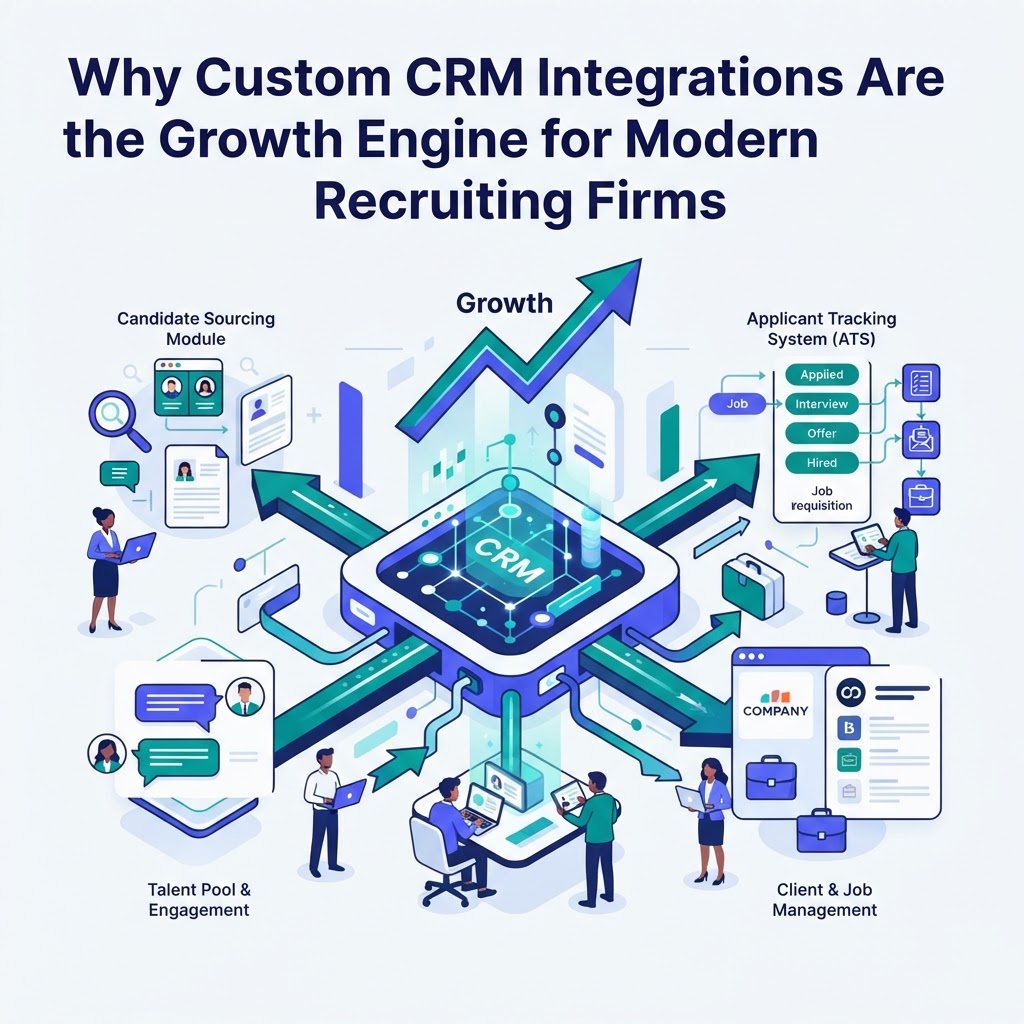
When the market is volatile, manual spreadsheets and fragmented communication tools fail. If you lose track of a high-potential candidate because they were buried in an email thread or a legacy folder, you lose your most valuable asset during a time of market flux. This is where RecruitingCRMFlow becomes a necessity rather than a luxury. By centralizing candidate data, agencies can proactively map the skills of displaced workers to emerging roles. When you treat your database as a living map of human capability rather than a static filing cabinet, you turn a period of crisis into a period of placement precision.
The Role of Agencies in Strategic Reskilling
Recruitment agencies must pivot toward a 'skills-first' hiring model. Instead of filtering candidates by job titles, which may be outdated, agencies must evaluate them by core competencies that are transferable to AI-augmented roles. For instance, a displaced administrative assistant possesses the organizational acumen to become an AI operations coordinator. Agencies that succeed in the next five years will be those that partner with training platforms to offer candidates bridge-training programs. By facilitating this transition, you not only place a candidate but also build immense loyalty, ensuring they turn to you for their next career move.
Leveraging Technology to Bridge the Gap
Efficiency is the only way to manage the increased volume of career-change candidates. Many agencies waste hours on repetitive administrative tasks—tracking follow-ups, logging interactions, and scheduling interviews. RecruitingCRMFlow automates these manual workflows, allowing your team to focus on the human element: career coaching and talent advocacy. When AI handles the tracking, recruiters can spend their time understanding a candidate's motivation, psychological resilience, and capacity to learn new tools. This technology-driven approach ensures that no candidate is left behind simply because your team was too busy with data entry to notice their potential.
Essential Steps for Agency Adaptation
To remain competitive, recruitment agencies must take immediate, tactical steps to evolve their business models.
- Audit your current database to identify candidates in high-risk, AI-vulnerable sectors.
- Reach out to these candidates for consultation sessions rather than cold-pitching roles.
- Invest in an integrated CRM like RecruitingCRMFlow to track the lifecycle of a candidate’s professional development.
- Build partnerships with technical training bootcamps to create a 'talent pipeline' of upskilled workers.
- Re-train your internal recruitment staff to look for 'learning agility' instead of just historical experience.
Conclusion: The Future is Human-Centric
While AI will continue to disrupt industries, it cannot replace the empathy, intuition, and strategic guidance required to guide a human being through a career pivot. The AI job crisis is not the end of recruitment; it is the evolution of the recruiter into a indispensable partner in the modern economy. By utilizing powerful CRM tools to organize your data and focusing on the human capacity for change, your agency can bridge the gap between yesterday's roles and tomorrow's possibilities.