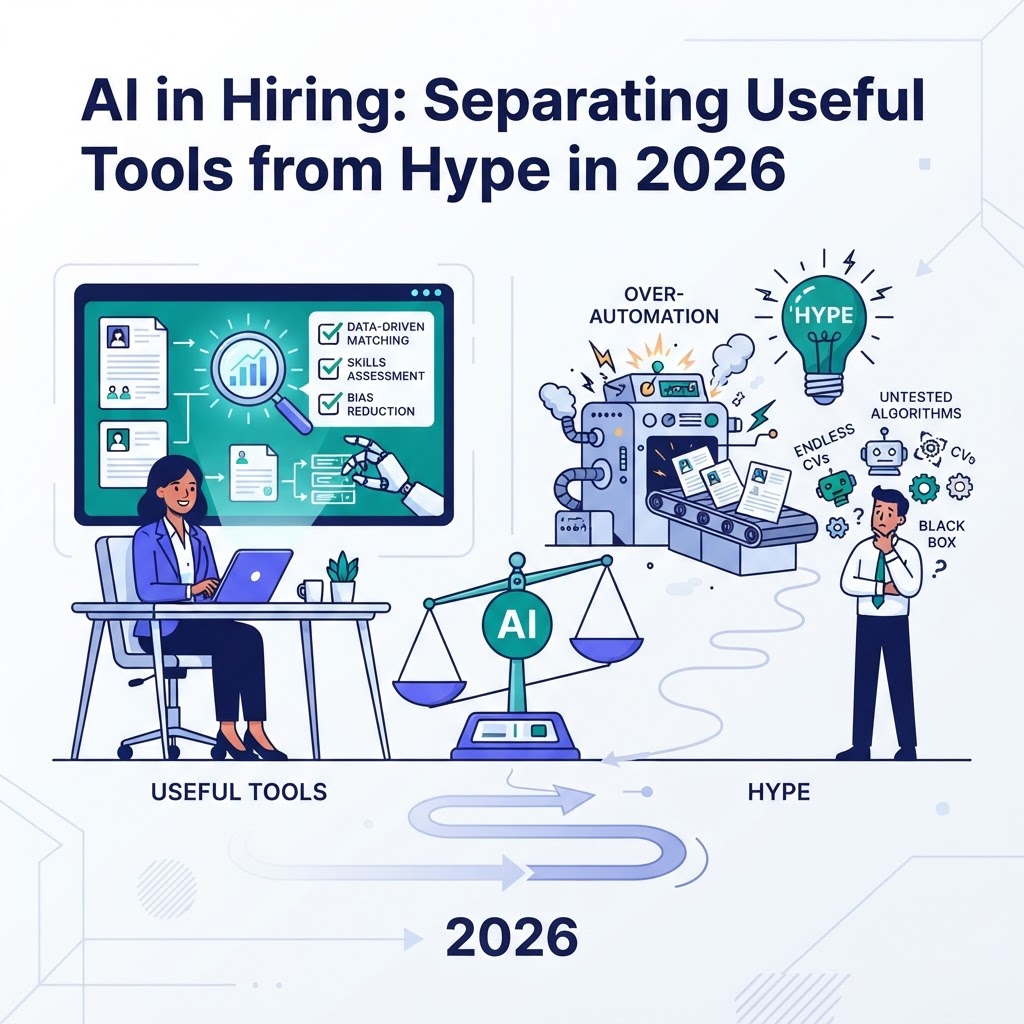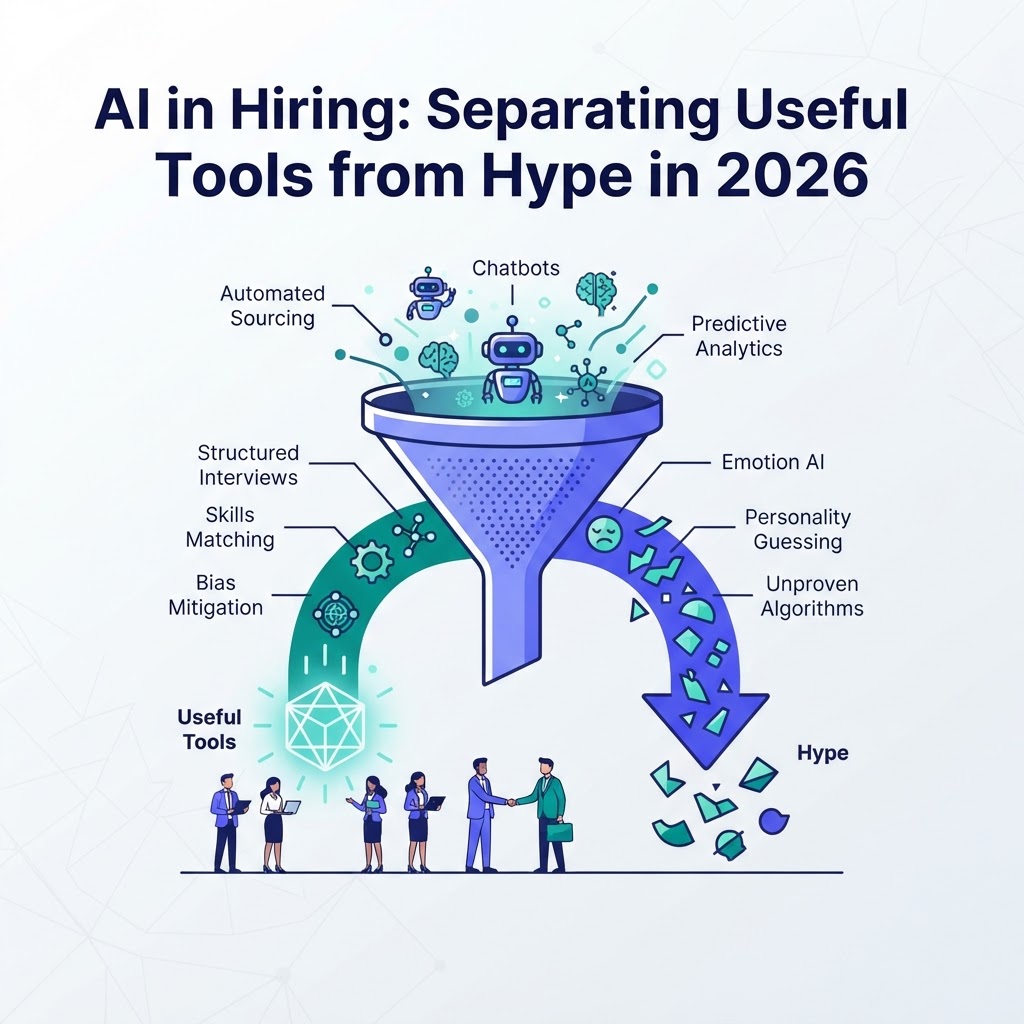
The rapid integration of artificial intelligence into the workforce has triggered a profound shift in the labor market. While some headlines scream of mass displacement, the reality is a nuanced transition where traditional roles are evolving into AI-augmented positions. For recruitment agencies, this represents both a significant challenge and a massive opportunity to provide high-value human guidance in an increasingly automated world.
The Reality of AI Displacement
Recent data suggests that up to 300 million full-time jobs could be exposed to automation, but this figure rarely captures the counter-balancing creation of new roles. Positions in data entry, basic copywriting, and entry-level accounting are seeing the most significant decline. However, a new category of 'AI-adjacent' roles is emerging, requiring a blend of technical literacy and domain expertise. Recruiters are no longer just matching skills to job descriptions; they are now mapping potential and adaptability in a landscape where previous experience is becoming a less reliable predictor of future success.
Bridging the Gap Through Reskilling
Recruiters now function as career architects. Instead of dismissing candidates whose previous roles have been automated, successful agencies focus on identifying transferable skills. A customer support representative displaced by chatbots, for instance, often possesses superior emotional intelligence and conflict resolution capabilities that are essential for high-end client success roles. Agencies must leverage advanced tools to track these latent skills. With RecruitingCRMFlow, your team can tag candidates with 'soft-skill' identifiers that AI-driven resume scanners often overlook, ensuring that valuable human talent is never lost in the shuffle.
Leveraging Technology to Manage Talent Volatility
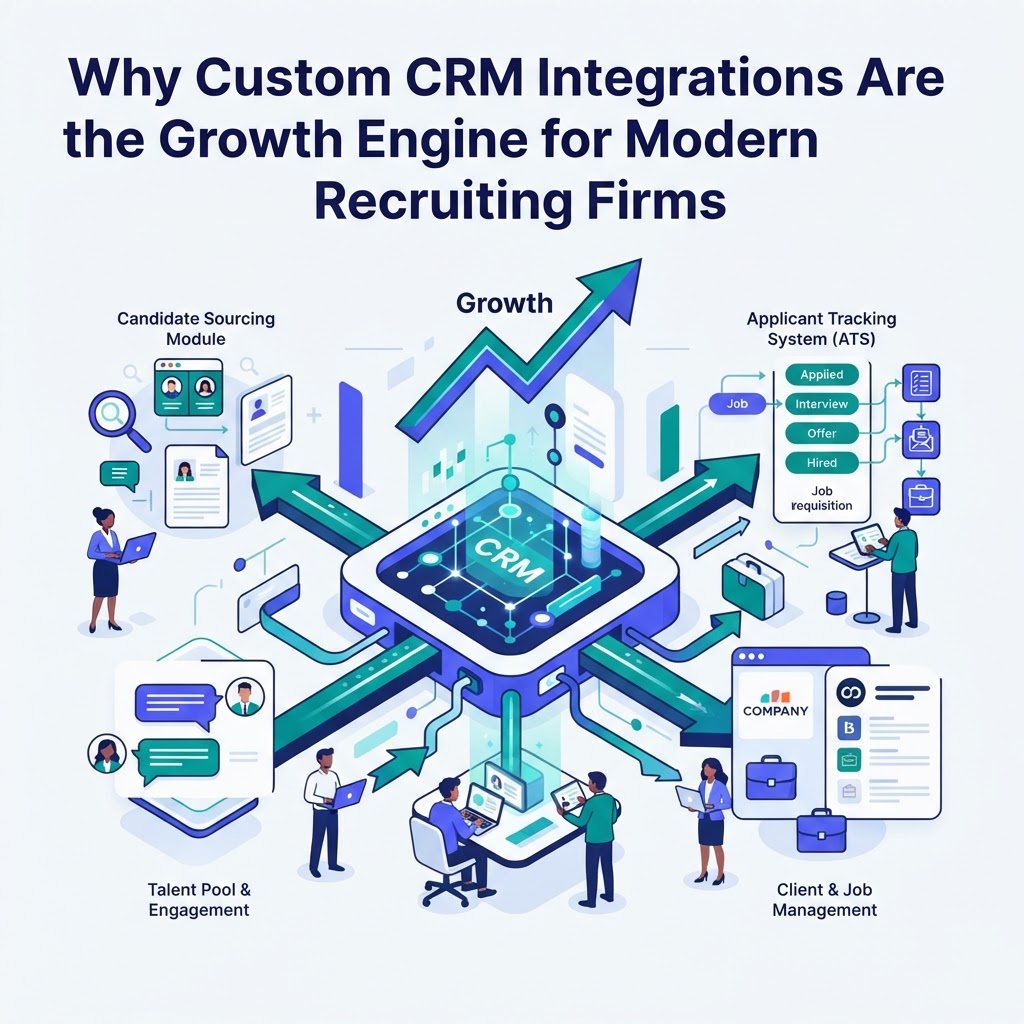
When the market is in flux, the efficiency of your candidate database determines your survival. Agencies that rely on spreadsheets or legacy software often lose track of their best candidates when roles disappear or evolve. This is where a specialized platform like RecruitingCRMFlow becomes a necessity. By centralizing candidate communication, work history, and reskilling progress, recruiters can quickly re-engage displaced workers as soon as new opportunities arise. Losing contact with a candidate due to inefficient tracking is a luxury agencies can no longer afford.
Actionable Steps for Recruitment Agencies
To remain competitive, agencies should adopt a structured approach to this new era of work:
- Implement skill-based mapping instead of just title-based matching in your CRM.
- Create dedicated 'talent pools' for candidates currently undergoing upskilling or AI certification programs.
- Use automated engagement workflows in RecruitingCRMFlow to keep top-tier candidates warm while their industry transitions.
- Focus on 'human-in-the-loop' roles where AI creates the baseline, but human judgment provides the final value.
- Audit your database every quarter to identify candidates whose roles may be at risk, allowing for proactive career counseling.
The Future of Agency Value
In an automated future, the human element in recruitment is paradoxically more valuable than ever. While AI can process thousands of applications in seconds, it cannot provide the empathetic career coaching, cultural advocacy, or nuanced negotiation that human recruiters offer. By leveraging platforms like RecruitingCRMFlow to handle the administrative load, agencies can double down on their primary value proposition: building genuine, long-term relationships with talent that can navigate the AI-driven workplace. Success in this new era requires moving from transactional hiring to strategic career lifecycle management.