The rapid integration of generative AI into the workplace has triggered a palpable anxiety across the global labor market. While previous technological shifts replaced manual labor, current AI advancements are increasingly encroaching upon cognitive, knowledge-based roles. For recruitment agencies, this represents both a significant challenge and a massive opportunity to redefine their value proposition as architects of the new workforce.
The New Reality of Talent Displacement
Recent data suggests that up to 300 million full-time jobs globally could be impacted by automation. Unlike the industrial revolution, today's displacement affects roles ranging from entry-level data entry and basic content creation to mid-level administrative support and software testing. Recruiters are no longer just filling roles; they are managing a transitional crisis. Many highly skilled candidates find their specific technical proficiencies suddenly commoditized, leading to a surplus of talent that requires rapid repositioning rather than simple replacement.
Moving from Static Resumes to Dynamic Skills Profiling
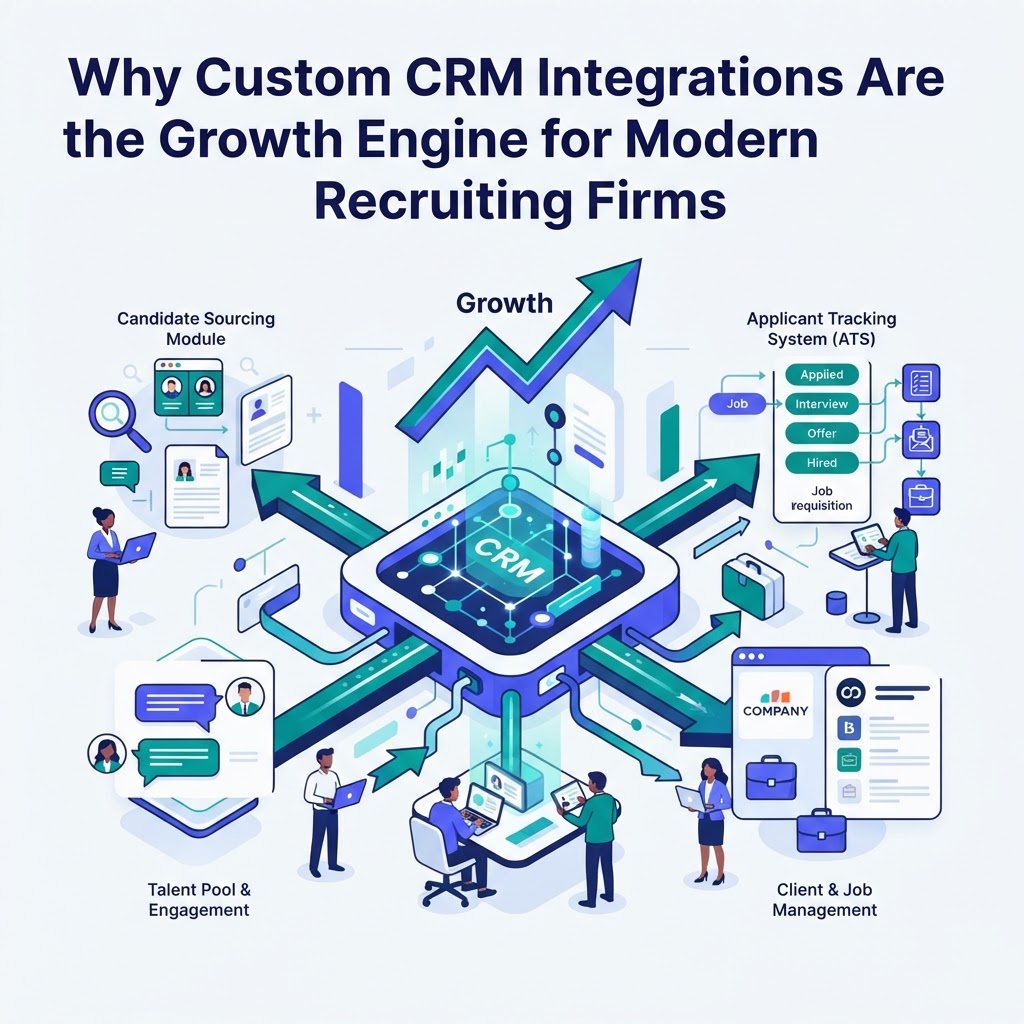
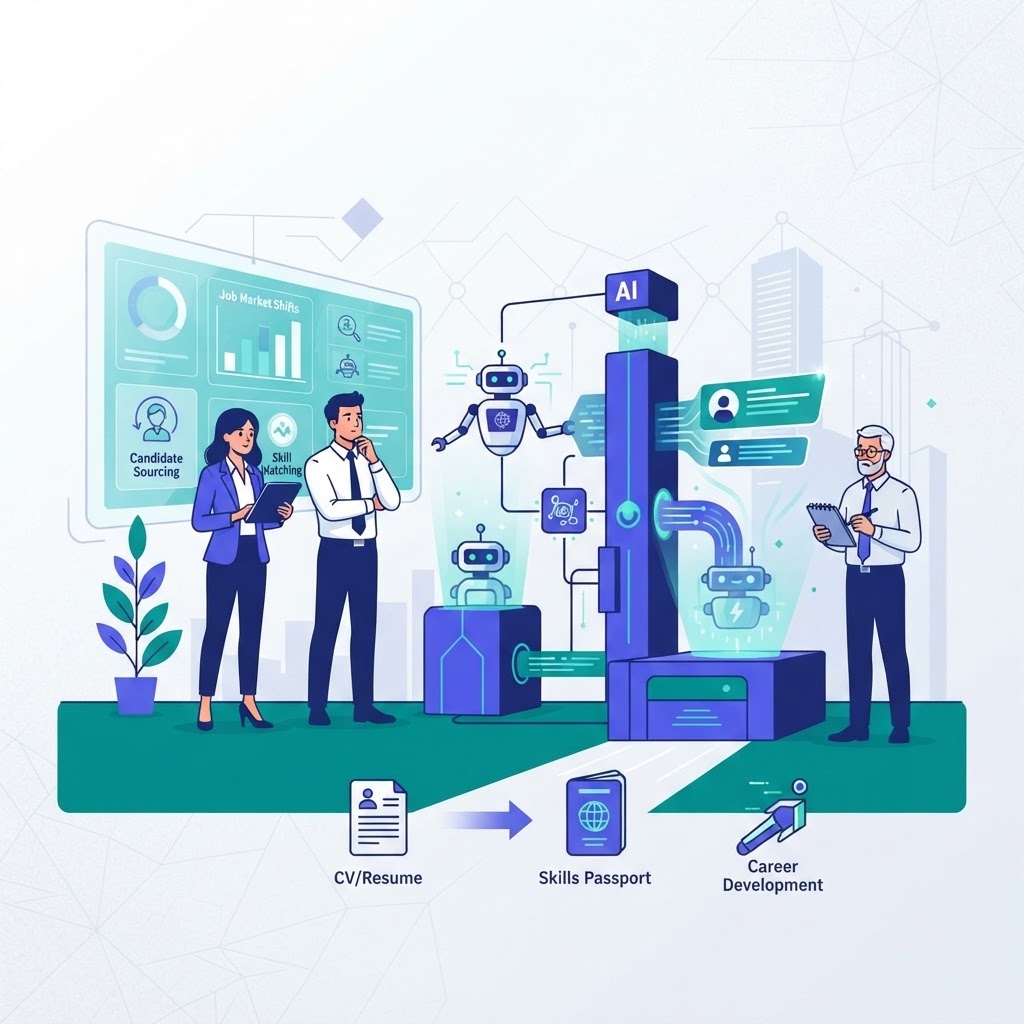
To adapt, agencies must pivot away from traditional keyword-based resume scanning. AI-era recruitment requires a focus on transferable 'soft' skills—such as critical thinking, ethical AI oversight, and complex interpersonal problem-solving. This is where RecruiterCRMFlow becomes an essential asset. By utilizing a robust CRM, recruiters can tag candidates based on latent capabilities rather than rigid historical job titles. Without a centralized system to track these nuanced skill sets, agencies risk losing touch with top-tier talent who are capable of evolving but are currently categorized under obsolete job functions.
The Strategic Role of Reskilling and Upskilling
Recruiters must become career consultants. When a client organization undergoes an AI-driven transformation, they rarely need to fire their entire department; they need to upskill them. Agencies that proactively match displaced talent with micro-credentialing programs or bridge-training initiatives will secure a competitive edge. This consultative approach builds deeper loyalty with candidates and makes the agency an indispensable partner to hiring managers. RecruiterCRMFlow allows you to map these potential career pathways, ensuring that no candidate is discarded simply because they lack one specific, outdated certification.
Efficiency in the Age of High-Volume Transitions
Efficiency is the primary casualty of manual recruitment processes. When thousands of roles are changing simultaneously, recruiters cannot afford to lose hours to administrative friction. RecruiterCRMFlow provides the automation necessary to handle the high volume of candidates currently navigating job transitions. By automating follow-ups, interview scheduling, and pipeline updates, recruiters free up their most valuable resource: time. This time must be reinvested into direct human engagement, which is the one aspect of recruitment that AI cannot replicate.
Safeguarding Your Talent Network
Perhaps the greatest risk to recruitment agencies today is the 'data graveyard'—a list of thousands of candidates whose skills have not been updated since their last placement. In a volatile market, your CRM is your most valuable intellectual property. RecruiterCRMFlow ensures that your talent network remains active, engaged, and accurately classified. If you fail to maintain contact with your displaced talent, you are essentially gifting your database to competitors who are more proactive in their outreach and re-engagement strategies.
Conclusion: The Human Edge in an AI World
As AI continues to reshape the labor landscape, the agencies that survive will be those that embrace human-centric technology. The crisis of displacement is, at its core, a crisis of connection. By leveraging advanced CRM tools like RecruiterCRMFlow to track, reskill, and redeploy talent, recruitment agencies will remain the vital link between human ingenuity and the future of work. The era of the transactional recruiter is over; the era of the human-AI talent architect has begun.