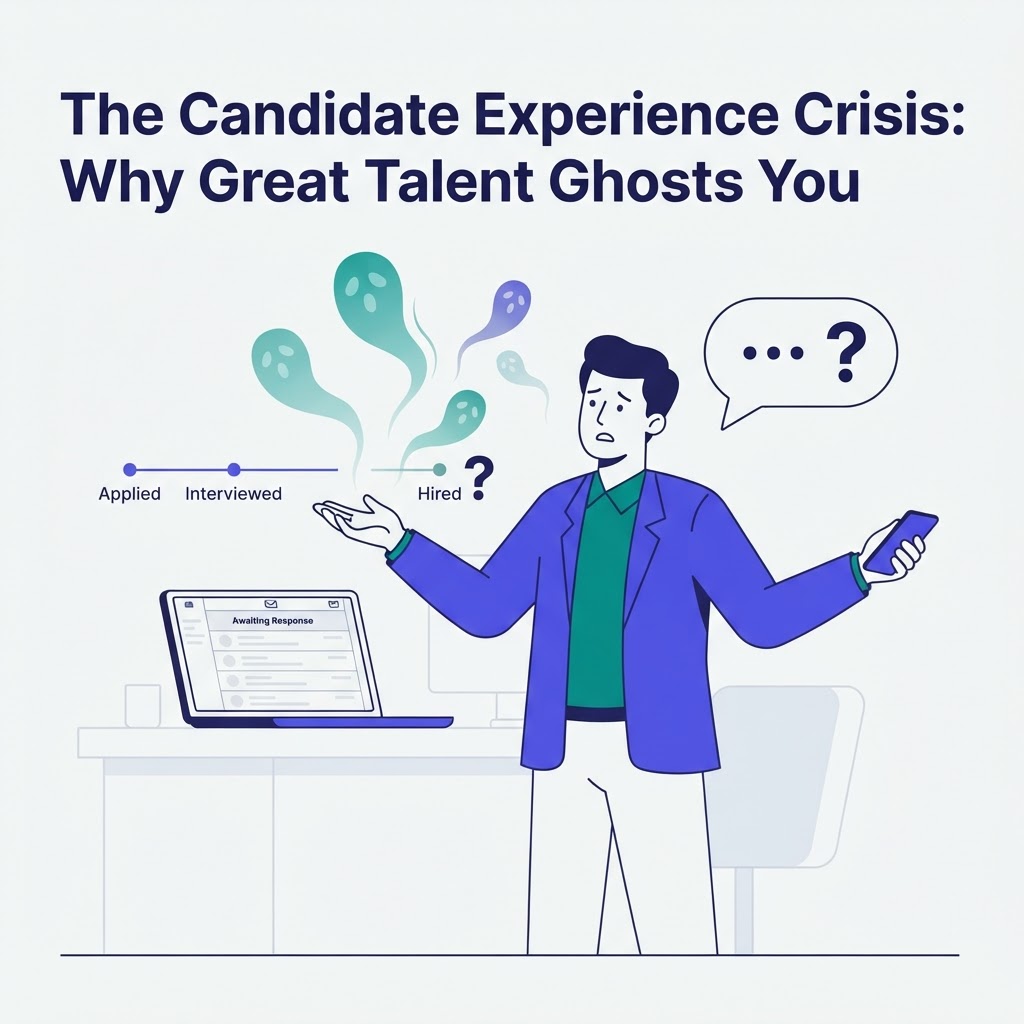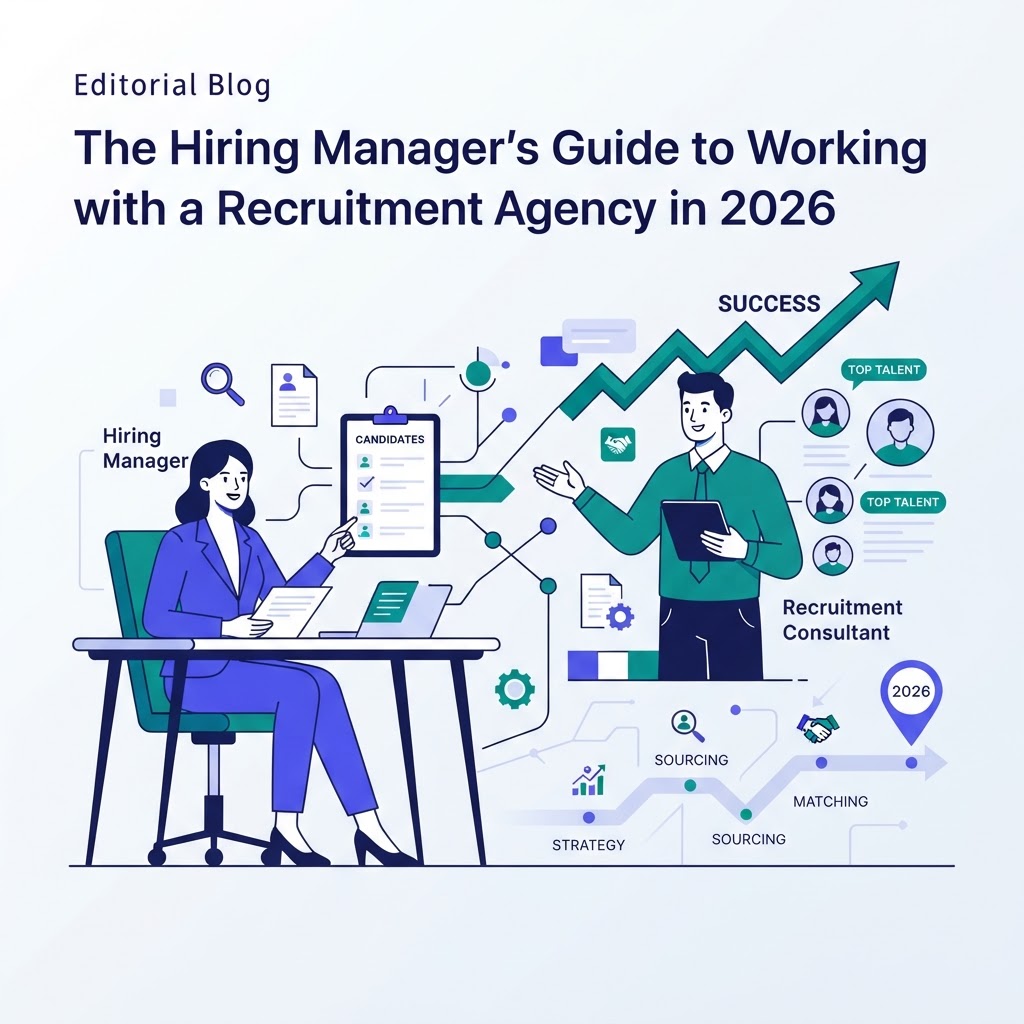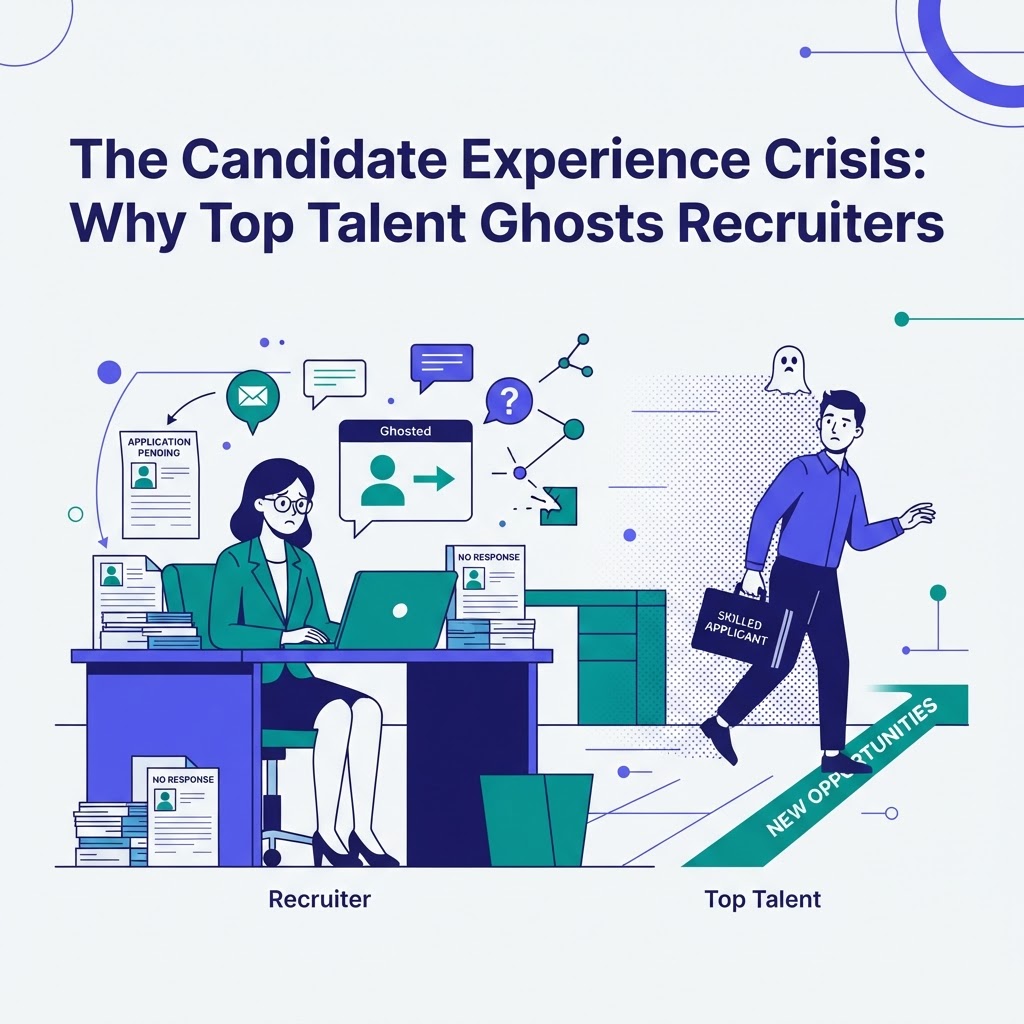
The modern job market has shifted dramatically, turning the traditional recruitment model on its head. Today, power rests firmly in the hands of the candidate. While agencies focus on sourcing and screening, a silent epidemic is eroding the bottom line: candidate ghosting. When high-value applicants drop off the grid, it is rarely due to a lack of interest; it is usually a symptom of a fractured candidate experience that leaves them feeling like a number rather than a partner.
The Anatomy of the Ghosting Phenomenon
Recent industry data suggests that nearly 30% of candidates have ghosted a recruiter after an initial interview. This behavior often stems from a perception of neglect. When a recruiter fails to provide timely updates, the candidate assumes the process has stalled and loses confidence in the agency's professionalism. In a competitive market, a candidate who is left in the dark for more than 48 hours is likely to accept an offer from a firm that communicates with transparency and speed.
The Cost of Communication Gaps
Communication gaps are not just annoying; they are expensive. Every time a candidate stops responding, you lose the time invested in sourcing, screening, and initial outreach. If you are operating out of spreadsheets or siloed email inboxes, you are likely missing the cues that indicate a candidate is losing engagement. RecruitingCRMFlow bridges this gap by centralizing every interaction, ensuring that no conversation remains buried under a mountain of tasks.
Building a Proactive Engagement Strategy
To curb ghosting, recruiters must transition from reactive status-checkers to proactive relationship managers. This requires a shift in how you use your technology stack. Instead of reaching out only when you have a job opening, utilize your CRM to maintain a constant cadence of contact. By using automated, personalized workflows in RecruitingCRMFlow, you can nurture your pipeline so that when a position does open, your candidates are already primed to engage.
- Implement automated 'check-in' sequences that trigger after interviews.
- Provide candidates with transparent timelines and next-step expectations.
- Use CRM analytics to track email open rates and response latency.
- Segment your talent pool to send relevant content rather than mass blasts.
Leveraging CRM Data to Predict Behavioral Shifts
One of the most powerful features of a dedicated recruiting CRM is the ability to visualize the candidate journey. When you track every touchpoint, you can identify patterns that precede a drop-off. For example, if a candidate's response time to emails begins to lengthen, your CRM can flag this as a 'warning' status, prompting a high-touch manual reach-out. Using RecruitingCRMFlow to monitor these trends allows you to intercept disengagement before it becomes permanent ghosting.
Why RecruitingCRMFlow is the Ultimate Antidote
Fixing the candidate experience is impossible if your data is scattered across multiple platforms. RecruitingCRMFlow provides a single source of truth that ensures every member of your team has the full context of a candidate's history. By automating the mundane tasks—like interview scheduling and follow-up reminders—you free up your recruiters to focus on the human element. The platform ensures that even when your desk is busy, your candidates never feel neglected.
Creating a Culture of Continuous Feedback
The candidate experience crisis won't be solved by technology alone; it requires a cultural commitment to empathy. Ask yourself: if I were the candidate, would I feel respected by this process? Use your CRM to solicit feedback after every stage. If a candidate withdraws, capture that data in RecruitingCRMFlow to identify common friction points in your hiring workflow. Continuous improvement is the only way to stay competitive.
Ending the cycle of ghosting requires a blend of intentional communication and the right digital infrastructure. By prioritizing transparency and utilizing tools like RecruitingCRMFlow to manage your relationships, you can turn a broken process into a significant competitive advantage. Stop losing talent to communication gaps and start building a pipeline that respects the candidate journey.