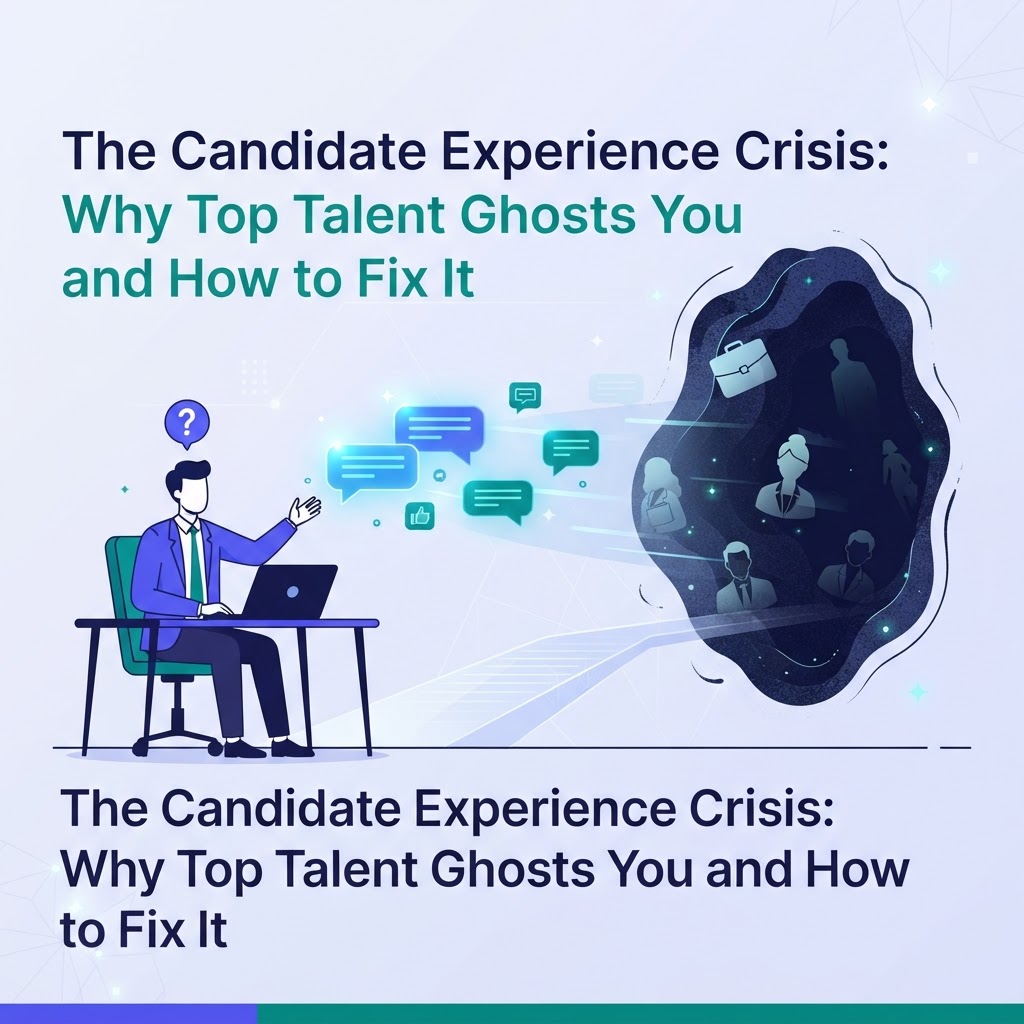
In today’s competitive talent landscape, the power dynamic has shifted decisively toward the candidate. Despite high-profile layoffs in specific sectors, specialized professionals in engineering, healthcare, and finance remain in short supply. As a result, these candidates are often juggling three or more interview processes simultaneously. When a candidate suddenly stops responding—the dreaded ghosting phenomenon—it is rarely a sign of apathy. More often, it is a symptom of a fractured candidate experience that failed to build momentum.
The Anatomy of the Ghosting Epidemic
Ghosting occurs when the perceived value of the communication falls below the candidate's threshold of tolerance. According to industry data, nearly 60% of job seekers report having a negative candidate experience, and over 40% will ghost an employer if they feel undervalued during the hiring process. When a recruiter takes three days to follow up after an initial screen, the candidate assumes the company is disorganized or lacks interest. By the time the recruiter reaches back out, the candidate has already accepted an offer from a competitor who prioritized rapid, transparent communication.
Communication Gaps: The Silent Deal-Breakers
Most ghosting isn't intentional; it is a byproduct of recruiter burnout. When managing a pipeline of 50-plus candidates, it is easy to let non-urgent updates slide. However, in the candidate's mind, 'non-urgent' is interpreted as a lack of respect for their time. Common communication gaps include:
- Failing to provide a timeline for the next steps.
- Leaving candidates in the dark after a successful interview.
- Sending generic, impersonal automated emails that lack context.
- Neglecting to provide constructive feedback after a rejection.
These lapses create friction. When the hiring process feels like a black hole, top-tier talent simply opts out. They prioritize recruiters who provide clarity, responsiveness, and a sense of partnership.
How RecruiterCRMFlow Prevents Pipeline Decay
To combat ghosting, you must automate the routine to prioritize the human. RecruiterCRMFlow was built specifically to close the gap between recruiter intent and candidate perception. By centralizing all communications within the platform, you ensure that no candidate falls through the cracks. The system tracks every touchpoint, meaning you always know who is owed an update and when.
Instead of manual follow-ups that rely on a recruiter’s memory, you can trigger personalized drip campaigns based on specific pipeline stages. If a candidate hasn't heard back in 48 hours, RecruiterCRMFlow prompts the recruiter or initiates a friendly check-in. This keeps your brand front-of-mind and signals to the candidate that they are a priority.
Building Trust Through Transparency
Transparency is the antidote to ghosting. If a hiring manager is stuck in a meeting or a budget approval is delayed, tell the candidate. Research shows that candidates are far more forgiving of delays when the reason is explained clearly and promptly. Use your CRM to template these updates, ensuring that even when bad news arrives, it is delivered professionally and with empathy.
- Be explicit about the interview stages and estimated timelines at the first contact.
- Provide a direct line of communication or a scheduling link to remove friction.
- Offer brief, actionable feedback if a candidate moves to the next stage or is rejected.
When candidates feel they are being treated as humans rather than resume numbers, they are significantly less likely to ghost you. Consistency builds trust, and trust prevents attrition.
Measuring the ROI of Your Candidate Experience
If you aren't measuring your candidate experience, you cannot fix it. Track metrics like 'Time-to-Respond' and 'Candidate Abandonment Rate' directly inside RecruiterCRMFlow. If you see high drop-off rates at the technical screening stage, it is a clear signal that your process is either too slow or poorly communicated. Data allows you to shift from reactive firefighting to proactive engagement, ultimately increasing your offer acceptance rate and reducing your cost-per-hire.
In conclusion, the ghosting crisis is not an issue of bad talent, but of bad infrastructure. By utilizing a robust CRM like RecruiterCRMFlow, you bridge the communication gap, maintain constant visibility, and show your candidates that their time is respected. Stop losing your best hires to silence and start building a hiring process that feels as modern as the talent you are trying to acquire.


