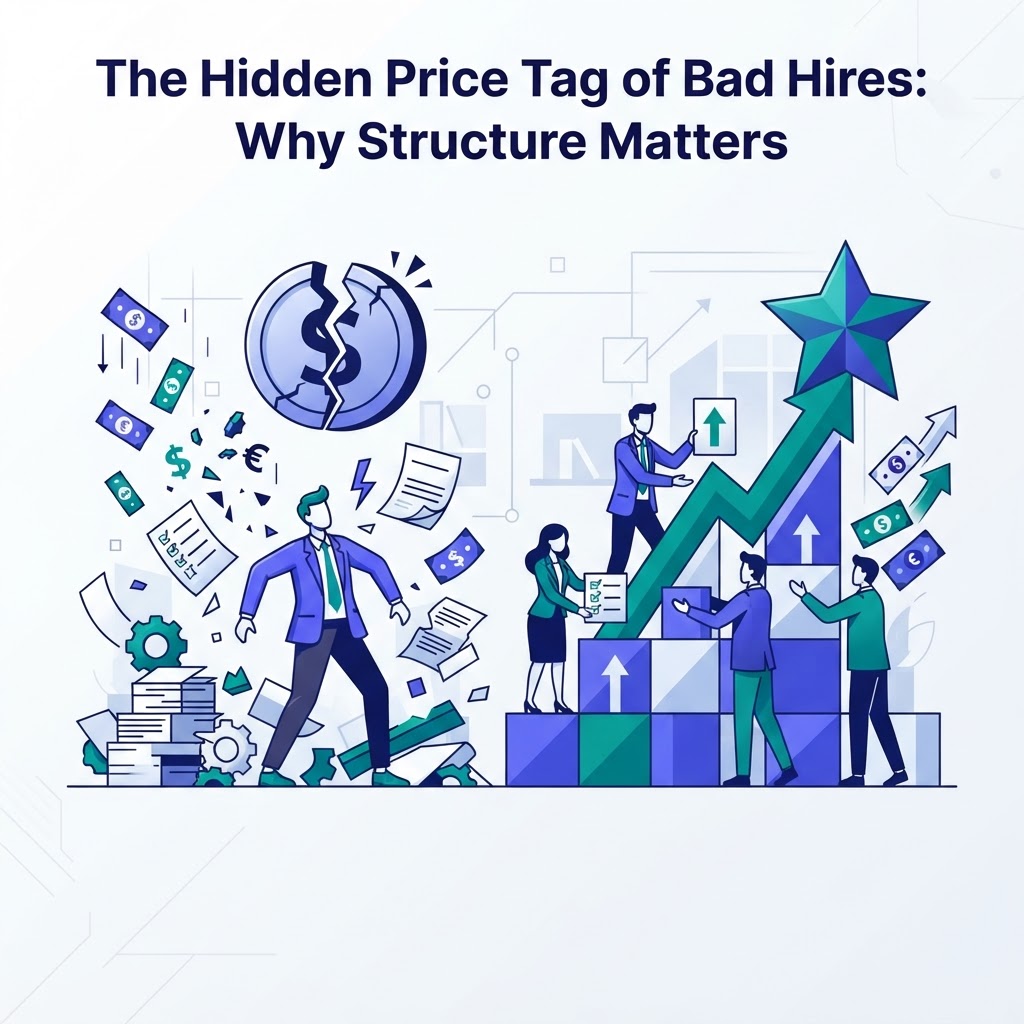
The true cost of a bad hire extends far beyond the salary paid to the wrong individual. It ripples through your organizational culture, halts team productivity, and drains the time of your best talent who must now double as trainers and repair technicians. Research from the U.S. Department of Labor suggests that a bad hire can cost an organization up to 30% of that person’s first-year earnings, though when you factor in lost opportunity costs and client attrition, that number often balloons to five times the annual salary.
The Financial and Cultural Decay of a Bad Hire
When a recruit fails to integrate or perform, the impact is immediate. You lose the time invested in sourcing, interviewing, and onboarding, which can easily exceed 60 hours of executive and peer labor. Beyond the raw data, there is the morale tax. When a high-performing team is forced to carry the weight of a struggling or toxic team member, engagement plummets. Top performers often leave when they feel their standards are being diluted by mismanagement. RecruitingCRMFlow helps teams avoid this by centralizing candidate history, ensuring that decision-makers have the full data context needed to spot red flags that might otherwise be ignored during a rushed interview cycle.
Why Intuition Fails Without a Framework
Many hiring managers rely on the "gut feeling" method, which is statistically prone to unconscious bias and confirmation bias. If an interviewer likes a candidate's personality or shares a common hobby, they may overlook glaring technical gaps. Structured hiring replaces this ambiguity with a standardized rubric. By asking every candidate the same core questions and scoring them against pre-defined competencies, you create a fair, objective comparison. This shift in mindset transforms hiring from a guessing game into a predictable business process that yields repeatable success.
Embedding Guardrails into Your CRM Workflow
Structured hiring is only effective if it is enforced. Without a centralized system, team members often skip steps or forget to record feedback, leading to inconsistent assessments. This is where a recruiting CRM like RecruitingCRMFlow acts as an indispensable guardrail. By requiring specific scorecard entries after every interview stage, the platform ensures that no candidate advances without a clear, objective assessment. If an interviewer attempts to move someone forward based on a vague comment like "good fit," the system prompts them to provide evidence-based feedback tied to the job requirements.
Leveraging Data to Eliminate Bias
Data is your best defense against bad hiring decisions. A CRM allows you to track pass-through rates and identify where in the process your team might be making suboptimal choices. Are you hiring for cultural add, or just cultural fit? When you track every touchpoint in RecruitingCRMFlow, you can review the correlation between assessment scores and long-term retention. This retrospective data allows your team to constantly refine your interview questions, ensuring that the criteria you use today actually predict the success of tomorrow's employees.
Building a Scalable Hiring Engine
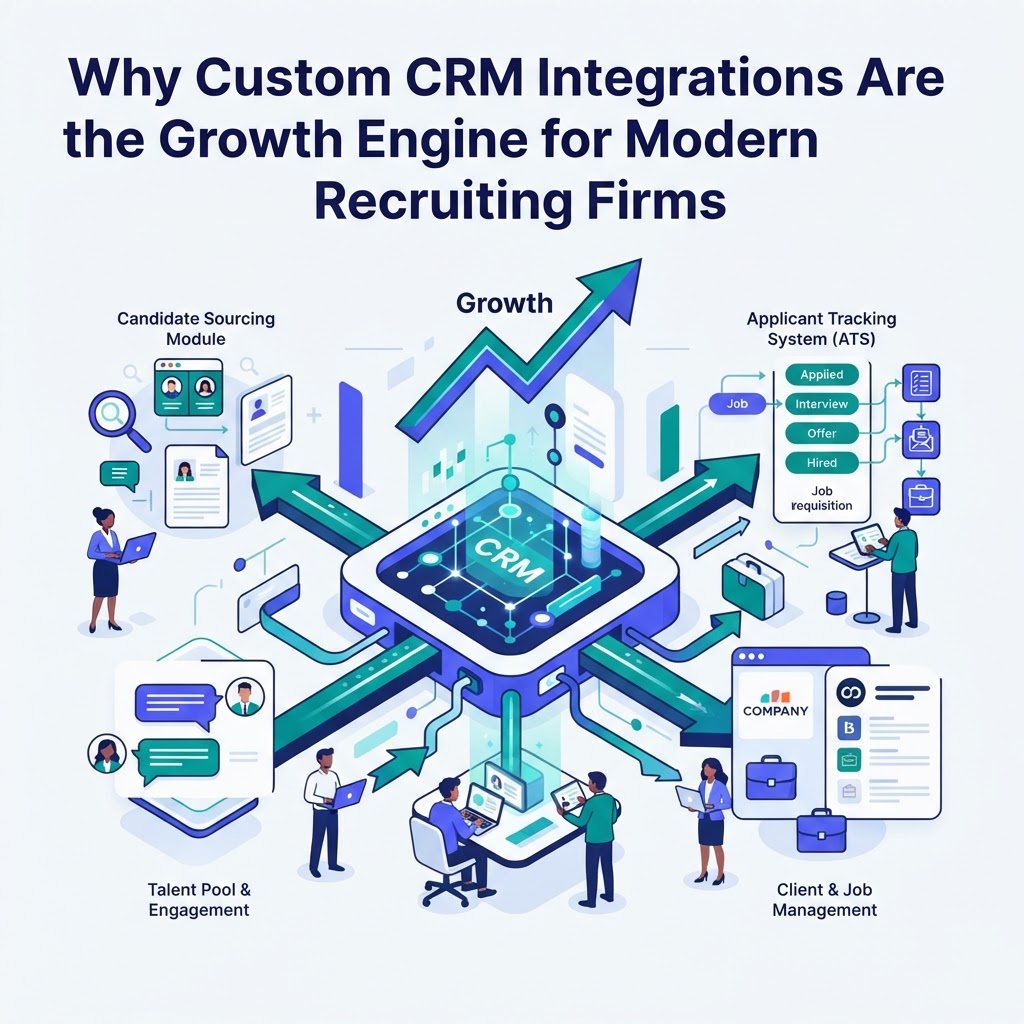
As companies scale, the decentralized "hiring by committee" approach often leads to chaos. You need a single source of truth to ensure the hiring bar never drops. By using an ATS/CRM integrated workflow, you eliminate the "black box" of recruiting where candidate information is lost in email threads or disconnected spreadsheets. When all stakeholders have visibility into the same candidate profile, scorecards, and hiring history, you prevent the expensive mistake of rehiring for roles that were previously mishandled. Structure is not about bureaucracy; it is about creating a scalable engine that protects your company's most valuable asset: its people.
In conclusion, the cost of a bad hire is a preventable expense. By moving away from unstructured, biased interviewing and implementing a rigorous framework supported by the right CRM tools, you can significantly reduce turnover and build a high-performing team. Structure provides the clarity necessary to make informed decisions, while the guardrails within RecruitingCRMFlow ensure those decisions are consistent, documented, and aligned with your organizational goals.