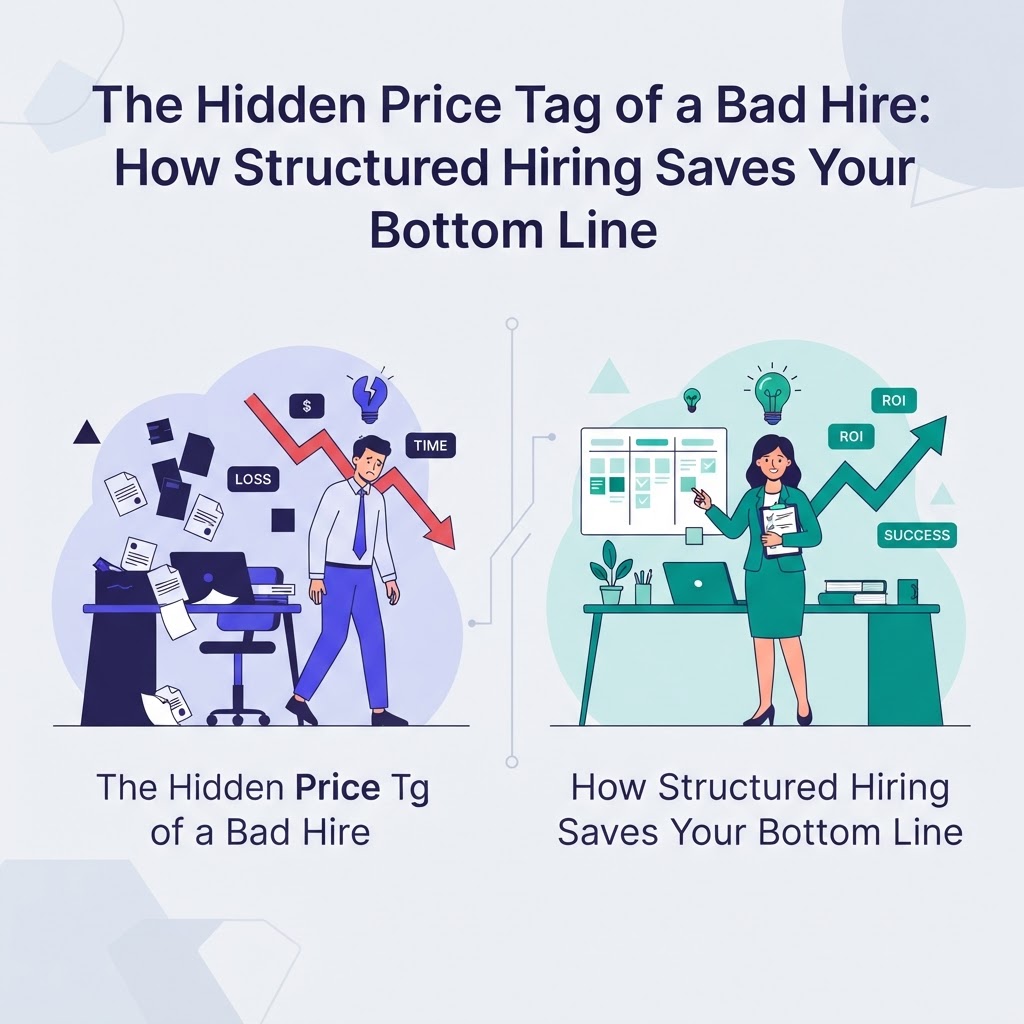
The true cost of a bad hire is rarely reflected in a single invoice or a severance package. While industry estimates suggest a bad hire can cost between 30% and 150% of the individual's annual salary, the ripple effects go far beyond immediate financial loss. When you bring the wrong person into a role, you face lost productivity, damaged team morale, wasted training resources, and the looming shadow of recruiting all over again. In a competitive market, you simply cannot afford the luxury of relying on gut feelings during the interview process.
The True Financial Impact of Misalignment
When a hire fails, the financial bleeding begins the moment they start. If you hire a mid-level manager at $100,000 per year, a bad hire could realistically cost your organization over $150,000 when you factor in recruiter time, onboarding materials, lost output, and the potential exit of high-performing employees who become frustrated by the lack of competence around them. Furthermore, if the wrong person interacts with your clients, the cost scales into customer churn. This is where organizations often fail; they treat recruiting as an administrative task rather than a strategic investment that requires rigorous risk management.
Why Gut Instincts Fail Every Time
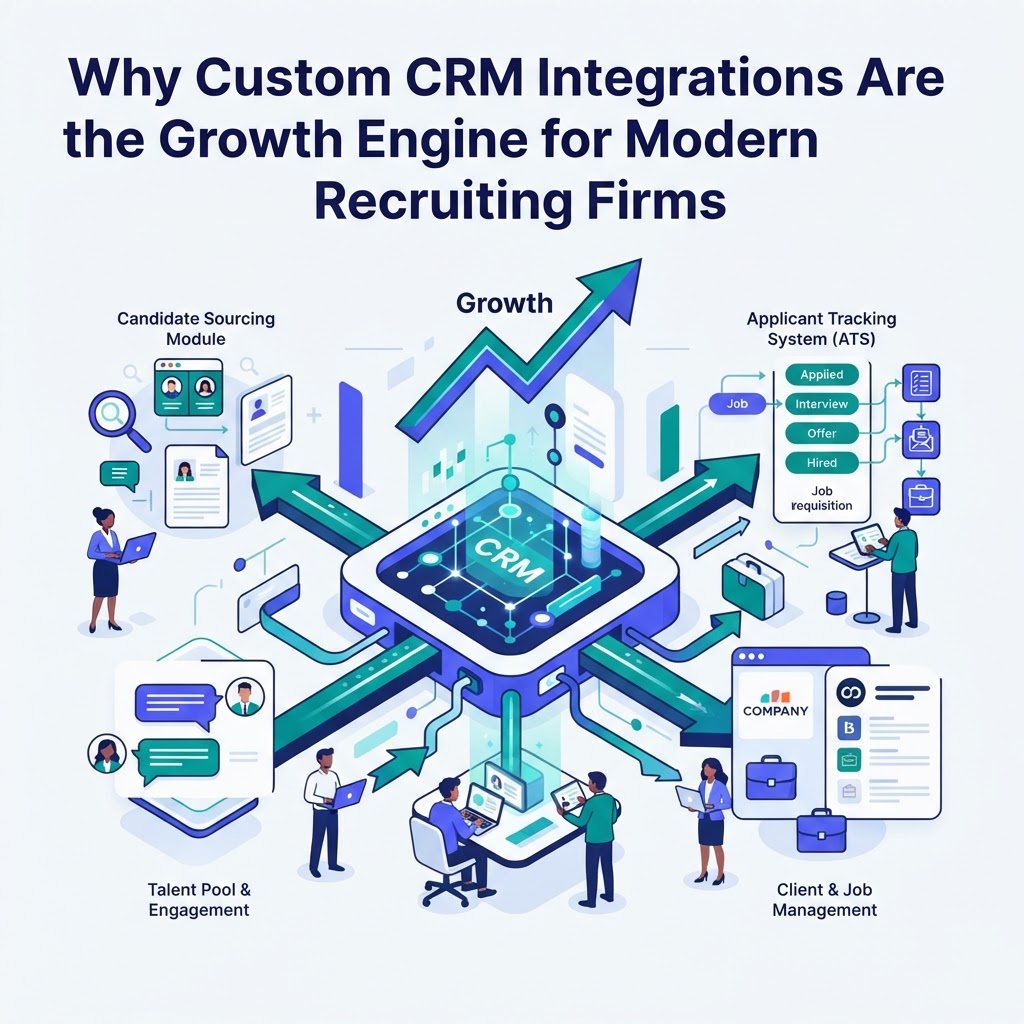
Most hiring errors originate in the 'hiring manager’s gut.' Unstructured interviews are notoriously poor predictors of future performance. Without a standardized approach, two interviewers might weigh completely different traits, leading to inconsistent assessments. This is where RecruiterCRMFlow becomes a necessity. By centralizing your recruitment data, you ensure that every stakeholder is looking at the same objective evidence—skills assessments, scorecards, and historical performance metrics—rather than subjective impressions that are prone to unconscious bias.
Implementing Structured Hiring Guardrails
Structured hiring is the systematic application of a repeatable, objective evaluation process. It involves defining the core competencies required for a role before you even post the job. By utilizing a CRM like RecruiterCRMFlow, you can embed these guardrails into your workflow. You can mandate that every interviewer completes a standardized scorecard for every candidate. If a candidate fails to meet a specific competency threshold during the initial screen, the system automatically prevents them from moving to the final round, effectively stopping bad hires before they happen.
Solving the Data Fragmentation Problem
One of the biggest contributors to bad hires is the 'leaky bucket' syndrome. When candidate information is scattered across emails, spreadsheets, and sticky notes, critical red flags get lost. You might miss a candidate’s history of job hopping or ignore feedback from a previous interviewer because it wasn't visible in your current workflow. RecruiterCRMFlow acts as a single source of truth, keeping every interaction and note in one accessible profile. When you have a holistic view of a candidate’s journey, you make better-informed decisions that reduce the likelihood of a bad fit.
Turning Recruitment into a Repeatable Science
To move away from bad hires, you must treat your hiring process like a sales funnel. Just as you wouldn't close a client without a contract and a clear scope of work, you shouldn't hire a candidate without a defined evaluation rubric. Structured hiring allows you to measure your success over time. By tracking which sources lead to your longest-tenured hires and identifying where in the interview process you tend to make mistakes, you can refine your approach iteratively. RecruiterCRMFlow provides the analytical dashboards needed to identify these trends, transforming your hiring from a guessing game into a predictable, high-ROI business process.
Conclusion
The cost of a bad hire is high, but it is entirely avoidable through discipline and technology. By abandoning subjective decision-making in favor of a structured, data-driven process, you protect your company culture and your bottom line. Investing in a robust recruitment CRM is the first step toward building guardrails that ensure every hire is a strategic asset. Don't leave your organization's future to chance; standardize your hiring process today and watch the quality of your talent pool rise.