The landscape of recruitment in 2026 has shifted from intuition-based hiring to a precise, data-backed science. As top-tier talent demands transparency and efficiency, hiring teams must abandon the 'gut feeling' approach that historically introduced bias and inconsistency into the process. By leveraging structured interview frameworks and robust CRM tooling, organizations can transform their hiring operations into a competitive advantage.
The Power of Structured Interviewing
A structured interview is defined by asking every candidate the same set of questions in the same order, using a standardized scoring rubric. Research shows that structured interviews are twice as predictive of job performance compared to unstructured interviews. When hiring teams deviate from this, they introduce cognitive biases like affinity bias, where interviewers favor candidates with similar backgrounds to their own. By utilizing a standardized format, you ensure that candidates are evaluated based on their ability to perform the role rather than their rapport with the recruiter.
Implementing Objective Scoring Rubrics
To move beyond subjective evaluation, teams must implement a 1-to-5 scoring system for every core competency. For example, if you are hiring a software developer, your rubric should explicitly define what a '5' looks like for technical problem-solving versus a '1.' This creates a paper trail of decision-making that is vital for both compliance and post-hire review. Without a centralized system to track these scores, hiring managers often lose track of feedback, leading to inconsistent hiring cycles. RecruiterCRMFlow allows teams to store these specific rubrics directly against candidate profiles, ensuring that every interviewer can review the data before making a final decision.
Leveraging CRM Tooling to Prevent Talent Loss
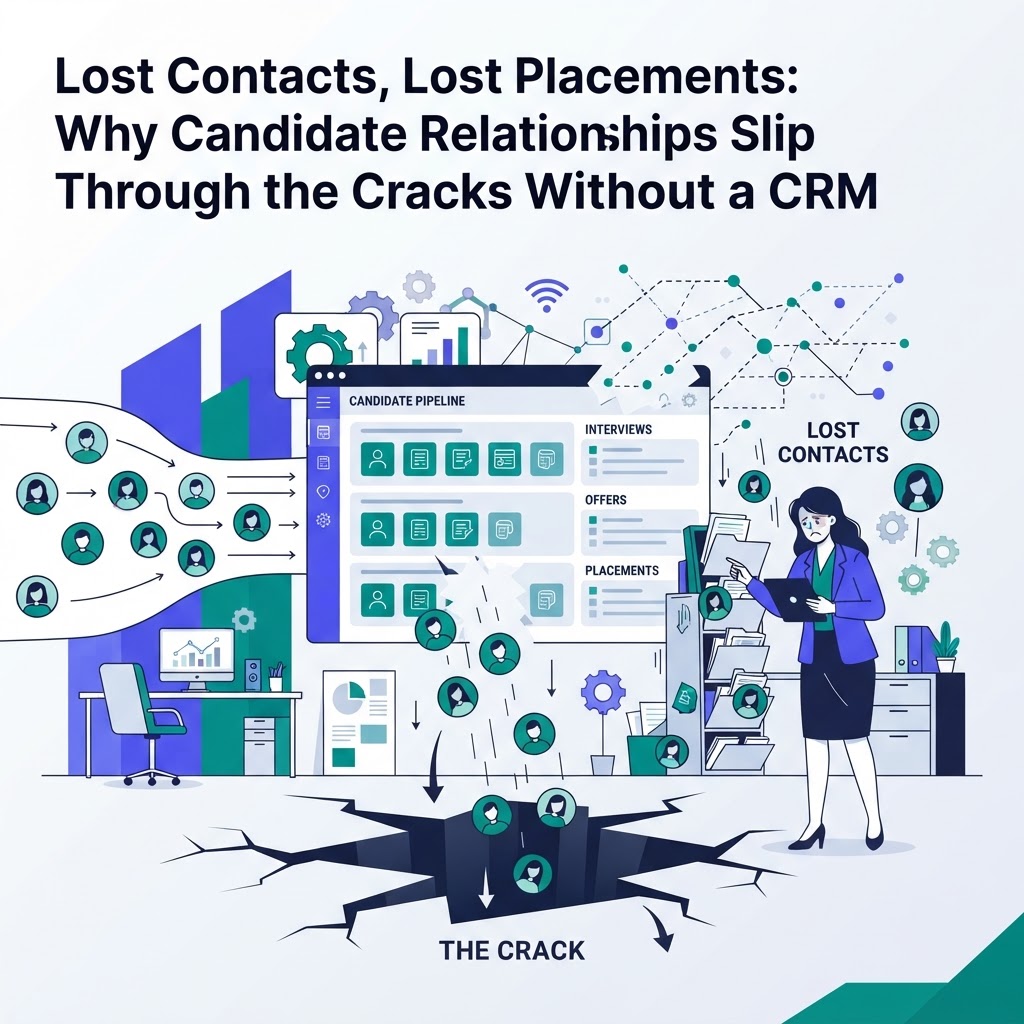
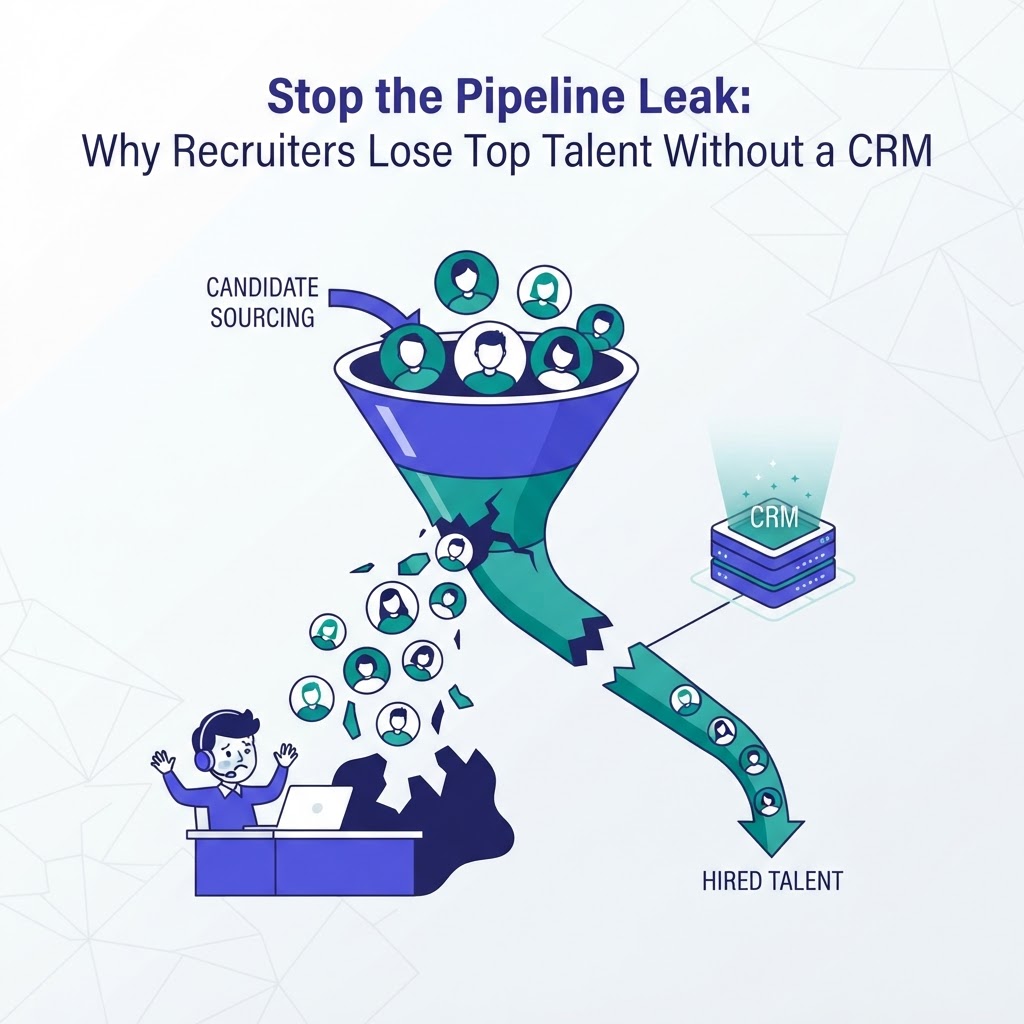
One of the biggest failures in recruitment is the 'black hole' effect—when candidate feedback is trapped in email threads or isolated spreadsheets. In 2026, efficiency is the currency of the recruiter. If a candidate spends three weeks waiting for feedback because a hiring manager missed an email, your agency loses credibility and potential revenue. RecruiterCRMFlow centralizes all interview notes, scheduling data, and historical communication. By automating the workflow between the ATS and your CRM, you ensure that no contact is left unattended, significantly reducing your time-to-hire metrics.
Enhancing the Candidate Experience
Modern candidates expect a seamless interview process. This includes clear communication regarding the timeline, professional preparation, and fast feedback loops. A positive interview experience is a primary factor in whether a candidate accepts an offer. Using a CRM to personalize communication while maintaining a rigorous interview structure allows you to build a relationship with the talent rather than treating them like a transaction. When recruiters spend less time manually tracking status updates in Excel, they have more time to advocate for their candidates.
Data-Driven Continuous Improvement
Finally, the goal of modern hiring is to iterate on your process. By analyzing the data collected in your CRM, you can identify bottlenecks in your hiring funnel. Are certain interviewers consistently providing biased or low-quality feedback? Is your technical assessment too long, leading to candidate drop-off? By auditing these metrics in your CRM, you can optimize your interview questions to better reflect the current needs of your clients or your internal departments. High-performing teams in 2026 treat recruitment as an iterative product development cycle.
Conclusion
Success in 2026 requires a transition from fragmented, manual processes to integrated, data-driven platforms. By adopting structured interview methodologies and utilizing specialized tools like RecruiterCRMFlow, hiring teams can eliminate bias, retain top talent, and drastically improve their hiring efficiency. The future of recruiting belongs to those who view their candidate data as their most valuable asset.