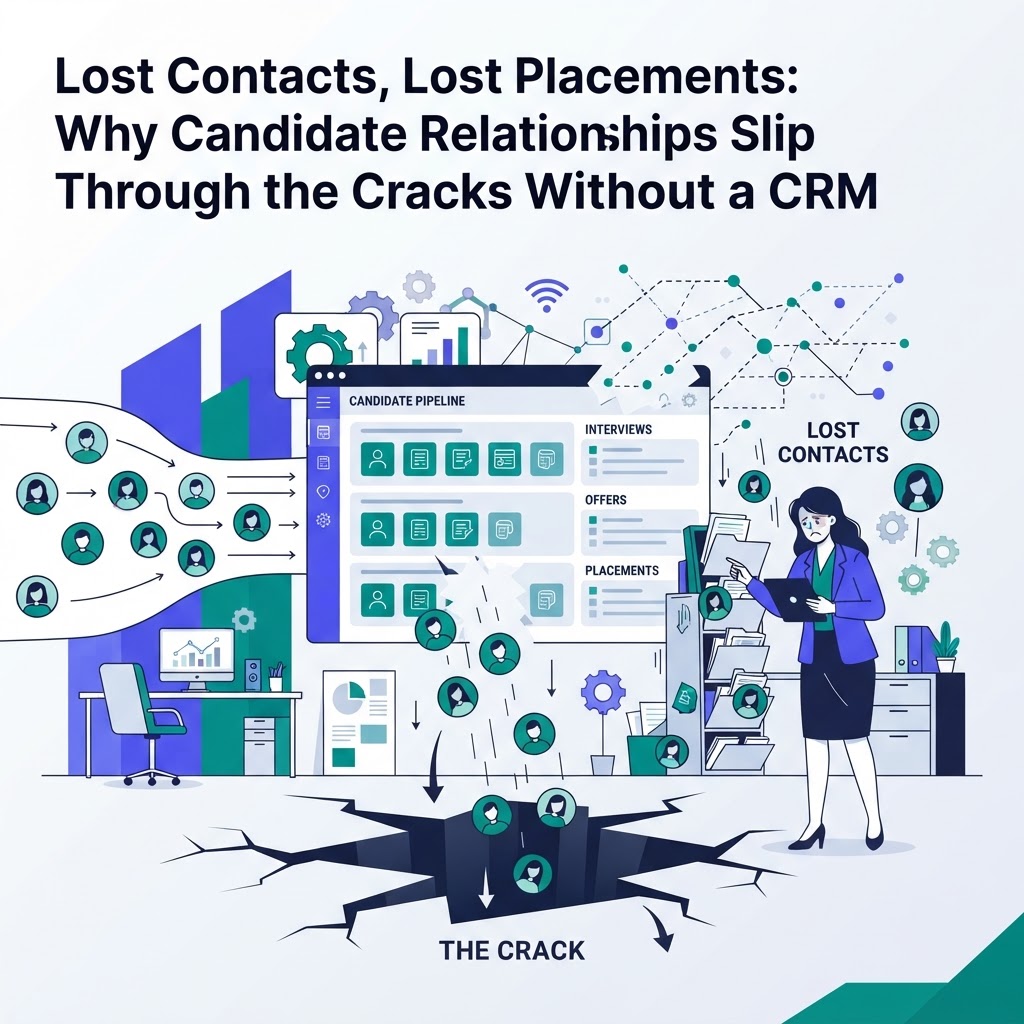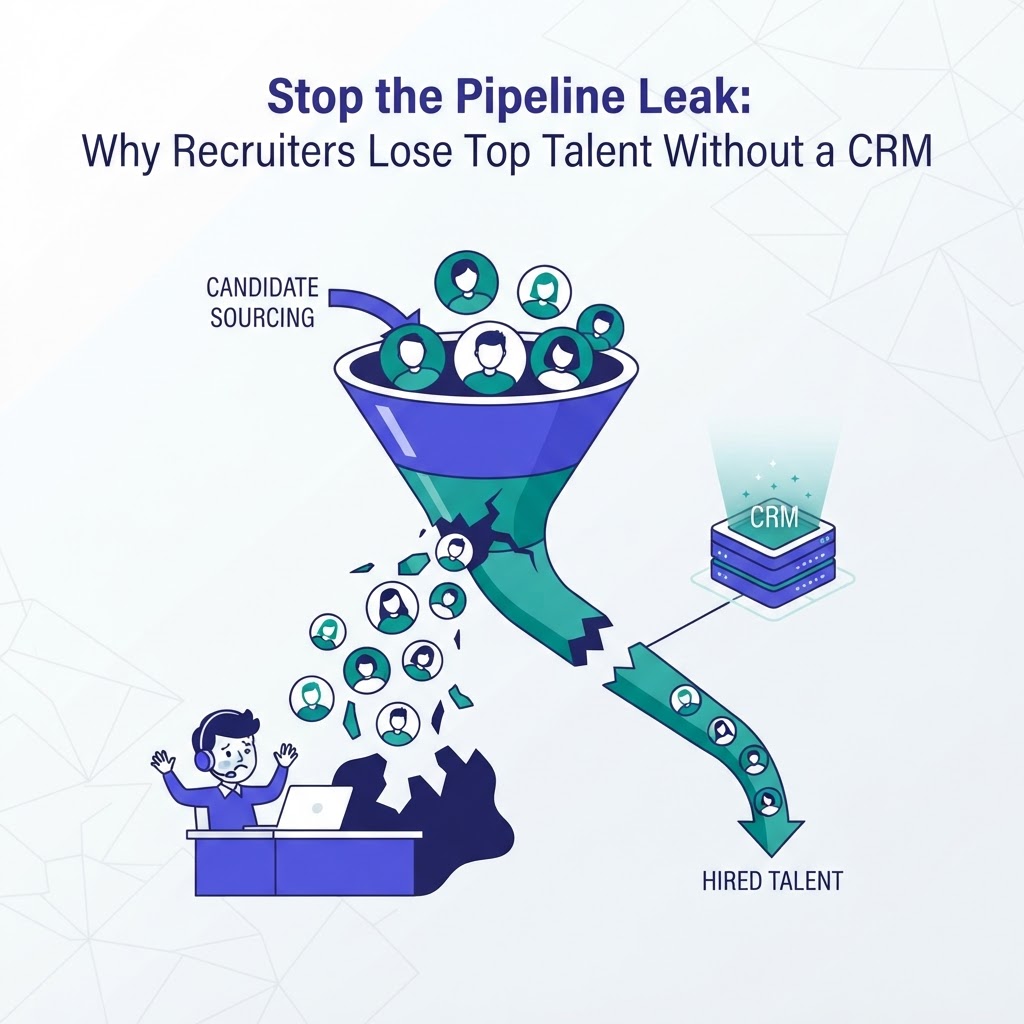
In the fast-paced world of recruitment, your database is your most valuable asset. Every candidate in your system represents a potential placement, a future commission, and a building block for your agency's reputation. Yet, many recruiters still operate using a chaotic mix of spreadsheets, disorganized email threads, and sticky notes. When you fail to track the lifecycle of a candidate, you are not just missing an opportunity; you are actively burning through your pipeline. Without a centralized system to capture every interaction, candidate relationships inevitably slip through the cracks, leading to stalled placements and eroded trust.
The Silent Cost of Fragmented Communication
Think about the last time you reached out to a passive candidate only to find they were already working with another recruiter from your own office, or worse, you followed up with them three times after they had already accepted an offer. This lack of transparency is the primary driver of recruiter inefficiency. Research shows that recruiters spend up to 40% of their day on administrative tasks like searching for contact history or updating manual logs. When communication is fragmented, you lose the ability to see the 'big picture' of a candidate’s journey.
When a candidate feels like just another number in an inbox, they disengage. If a recruiter cannot reference a previous conversation about career goals or salary requirements, the candidate loses confidence in the recruiter's ability to represent them effectively. RecruiterCRMFlow mitigates this by providing a single source of truth, ensuring that every touchpoint—from the first introductory call to the final offer negotiation—is logged and visible to the entire team.
Why Spreadsheets Fail Your Talent Strategy
Spreadsheets are excellent for static data but disastrous for dynamic relationships. They lack the automated triggers necessary to maintain long-term engagement. In a competitive market, you might have a high-potential candidate who isn't quite ready for a move today but will be in six months. In a spreadsheet, that candidate is often forgotten or buried in a list of 'cold' contacts.
A dedicated CRM automates the nurturing process. With RecruiterCRMFlow, you can set automated reminders to check in with top-tier candidates, ensuring you remain top-of-mind without manual intervention. By failing to systematize these follow-ups, agencies regularly leave 20-30% of their potential revenue on the table simply because they forgot to reach out at the right time.
Building a Relationship Backbone
Your CRM should serve as the relationship backbone of your agency. It should contain more than just names and phone numbers; it should house the context of every interaction. Understanding a candidate's motivation—whether it is a desire for remote work, a need for a higher base salary, or a goal to move into leadership—is what separates a transactional recruiter from a consultative partner.
- Track sentiment analysis during calls to identify high-intent candidates.
- Automate follow-up emails after interview feedback sessions.
- Tag candidates based on niche skills for precision sourcing.
- Maintain a full audit trail of communications to resolve disputes or miscommunications.
When you centralize this intelligence, you build a competitive moat. Even if a recruiter leaves your firm, the institutional knowledge remains safely stored within the platform, preventing the loss of years of relationship building.
Scaling Through Visibility
Growth is impossible when your data is siloed. As your agency adds more recruiters, the complexity of tracking relationships increases exponentially. Without a unified ATS and CRM, your team will inevitably cross wires, leading to a poor candidate experience. If three different recruiters contact the same candidate within one week, it creates a sense of unprofessionalism that can permanently damage your brand.
RecruiterCRMFlow provides the visibility required to scale. Managers can easily audit the health of the pipeline, identify which candidates are being neglected, and redistribute workloads to ensure no relationship goes stale. By monitoring activity metrics—like outreach volume versus candidate response rates—you can coach your team to become more effective, turning lost contacts into active, revenue-generating placements.
Conclusion: Turning Data Into Placements
At the end of the day, recruitment is a human business, but it requires a technological foundation to be sustainable. If you continue to rely on manual processes, you will always be fighting an uphill battle against missed opportunities and fading connections. By investing in a dedicated CRM like RecruiterCRMFlow, you transform your database from a graveyard of old contacts into a vibrant, active ecosystem. Stop letting your talent slip away and start building the infrastructure that turns every candidate interaction into a potential success story.