The rapid integration of generative AI into the workplace is creating a seismic shift in labor markets, causing significant job displacement across sectors ranging from content creation to entry-level software development. While fear of automation is rising, the reality is a transition rather than an extinction of work. For recruitment agencies, this period of volatility presents a unique mandate: the role of the recruiter is shifting from a mere matchmaker to a strategic talent architect. Adapting to this new reality is no longer optional; it is a prerequisite for survival.
The Anatomy of the AI Job Displacement
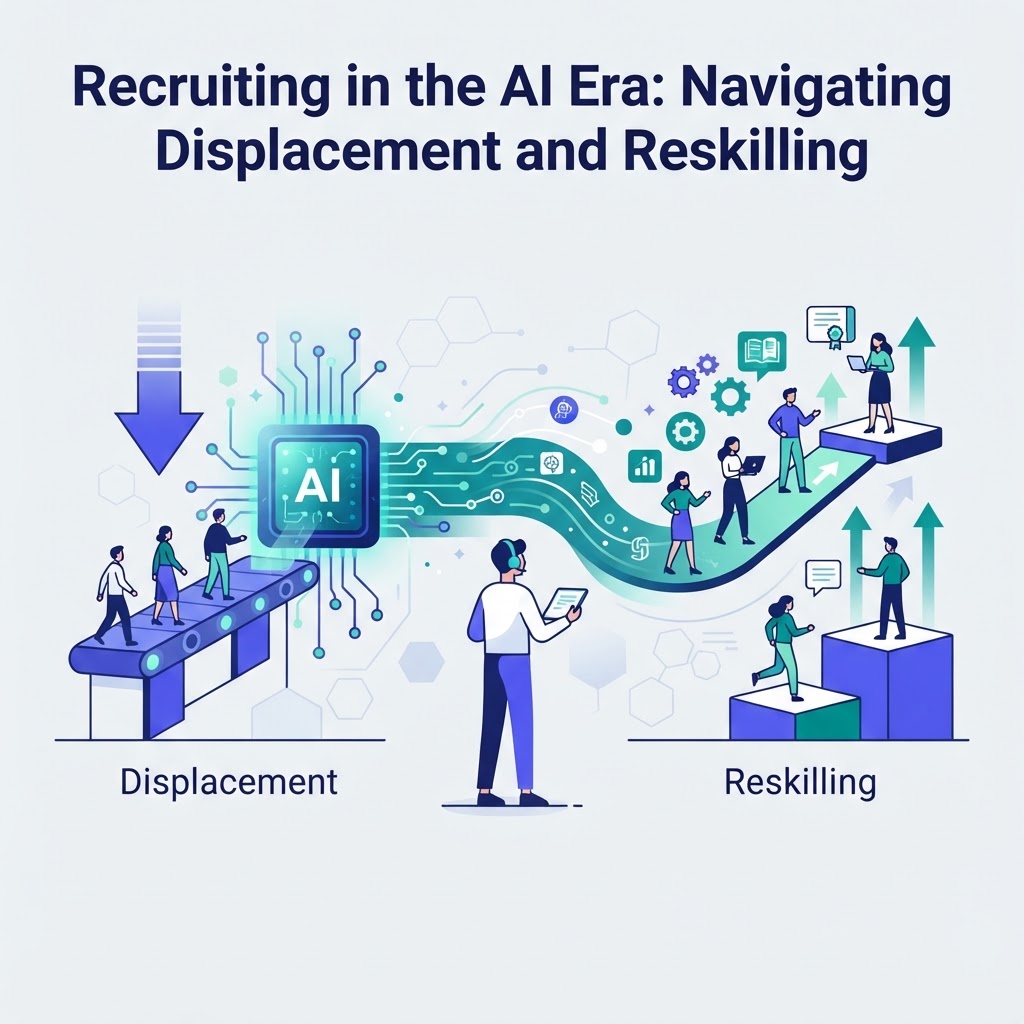
Recent data from the World Economic Forum suggests that while 85 million jobs may be displaced by 2025, 97 million new roles are expected to emerge that are more adapted to the new division of labor between humans, machines, and algorithms. The core issue is the widening gap between the skills workers possess today and the skills required for the jobs of tomorrow. Recruiters are currently witnessing a surge in candidates from legacy roles who are qualified on paper but lack the technical fluency needed for modern, AI-integrated workflows.
Reskilling as a Competitive Recruiting Moat
To bridge this gap, agencies must prioritize candidates who demonstrate a high capacity for learning and agility. Instead of sourcing for static skills, recruiters should assess for cognitive flexibility. When interviewing, look for candidates who have proactively used AI tools to augment their existing workflows. Agencies that build a pipeline of "reskilled" talent—those who have transitioned from traditional tasks to overseeing AI-augmented outputs—become invaluable to clients. By partnering with upskilling platforms, agencies can certify candidates, transforming them from displaced legacy workers into premium talent pools.
Solving the Data Fragmentation Crisis
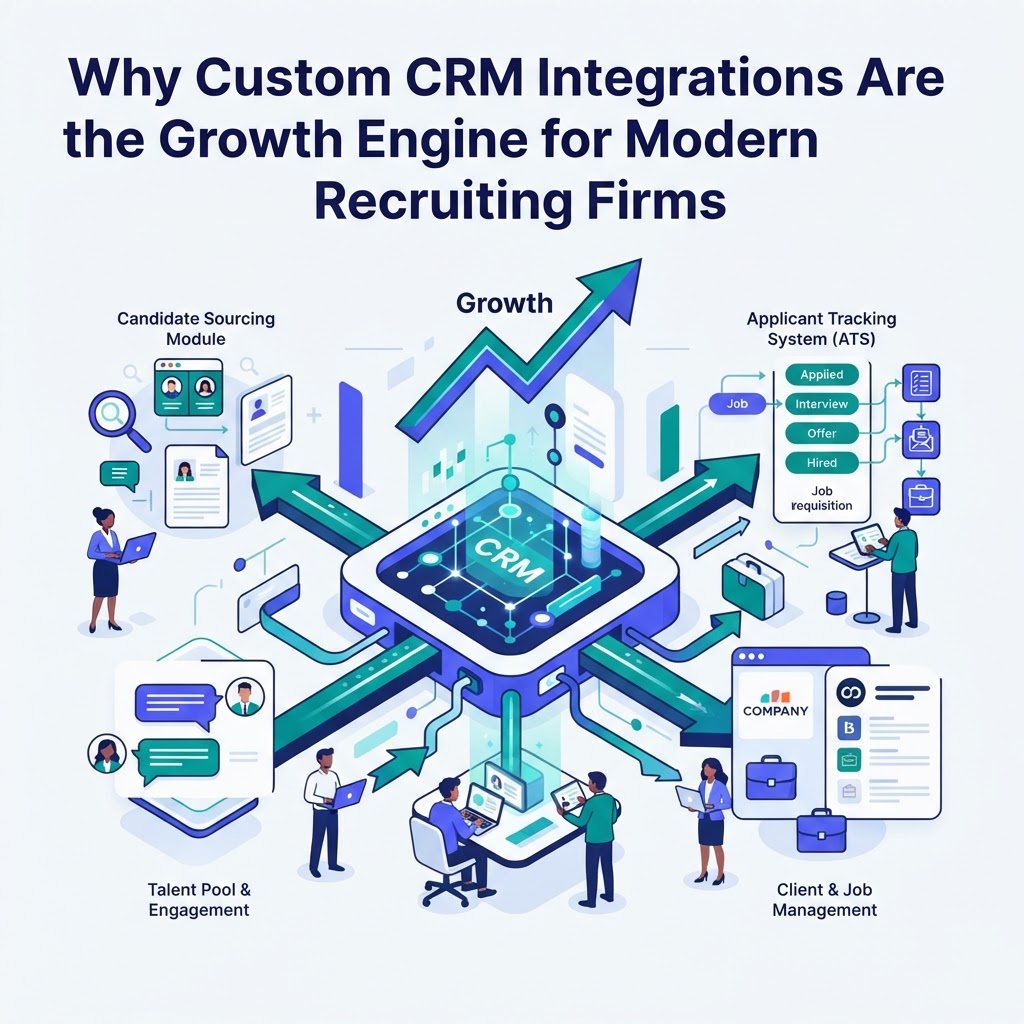
In this high-velocity environment, agencies cannot afford to lose track of high-potential candidates. Displaced talent often rotates through multiple roles or platforms, and without a centralized system, recruiters lose their most valuable asset: candidate history. RecruiterCRMFlow addresses this by providing a unified view of every candidate’s progression, skills mapping, and learning milestones. By centralizing communication, agencies avoid the common pitfall of losing touch with candidates who are currently undergoing retraining, ensuring they are top-of-mind the moment a new role opens.
Strategies for Effective Candidate Matching
Matching talent in the AI era requires a departure from traditional keyword-based searching, which often filters out viable candidates who haven't yet mastered specific new tools. Instead, shift your sourcing strategy toward:
- Identifying 'adjacent skills' where human intuition still outperforms AI.
- Filtering for candidates who show high proficiency in prompt engineering or data literacy.
- Tracking candidate development through your CRM to see how quickly they update their skill sets.
- Leveraging automated alerts in RecruiterCRMFlow to notify you when a candidate completes a relevant certification.
Operational Efficiency in a High-Volume Market
As the volume of talent in transition increases, manual processes will inevitably fail. RecruiterCRMFlow acts as a force multiplier for agencies dealing with high-volume pipelines. By automating repetitive tasks like outreach, follow-ups, and interview scheduling, recruiters can spend more time on high-value human connection—mentoring candidates on how to market their new AI-era skills to clients. This high-touch, technology-enabled approach is what differentiates a top-tier agency from a traditional resume-forwarding service.
Building for a Future-Proof Talent Strategy
The goal of a modern recruitment agency is to facilitate the symbiosis between human ingenuity and artificial intelligence. By acknowledging displacement, investing in the identification of adaptive talent, and utilizing robust infrastructure like RecruiterCRMFlow, agencies can become the essential bridge in the future of work. Adaptability is the ultimate commodity; those who cultivate it in their own operations will lead the next generation of recruitment.