For Recruitment Process Outsourcing (RPO) providers, efficiency is not just a goal—it is a business model. Managing high-volume hiring across diverse client portfolios requires more than just spreadsheets and email threads; it demands a robust infrastructure. A specialized recruiting CRM RPO solution acts as the central nervous system of an agency, allowing teams to handle thousands of applications while maintaining a personalized candidate experience. Without the right technology, RPO firms often hit a growth ceiling where manual processes break down under the weight of volume.
The Complexity of High-Volume Multi-Client Recruitment
In an RPO environment, a single recruiter might be juggling fifty open roles across five different clients, each with unique employer branding requirements and candidate personas. This complexity creates a significant risk: candidate drop-off. When communication becomes fragmented, talent goes elsewhere. According to industry data, 60% of candidates drop out of the recruitment process due to poor communication or excessive delays. For an RPO, this translates directly to lost revenue and damaged reputation with the client.
Why RPO Firms Need a Dedicated Recruiting CRM RPO Strategy
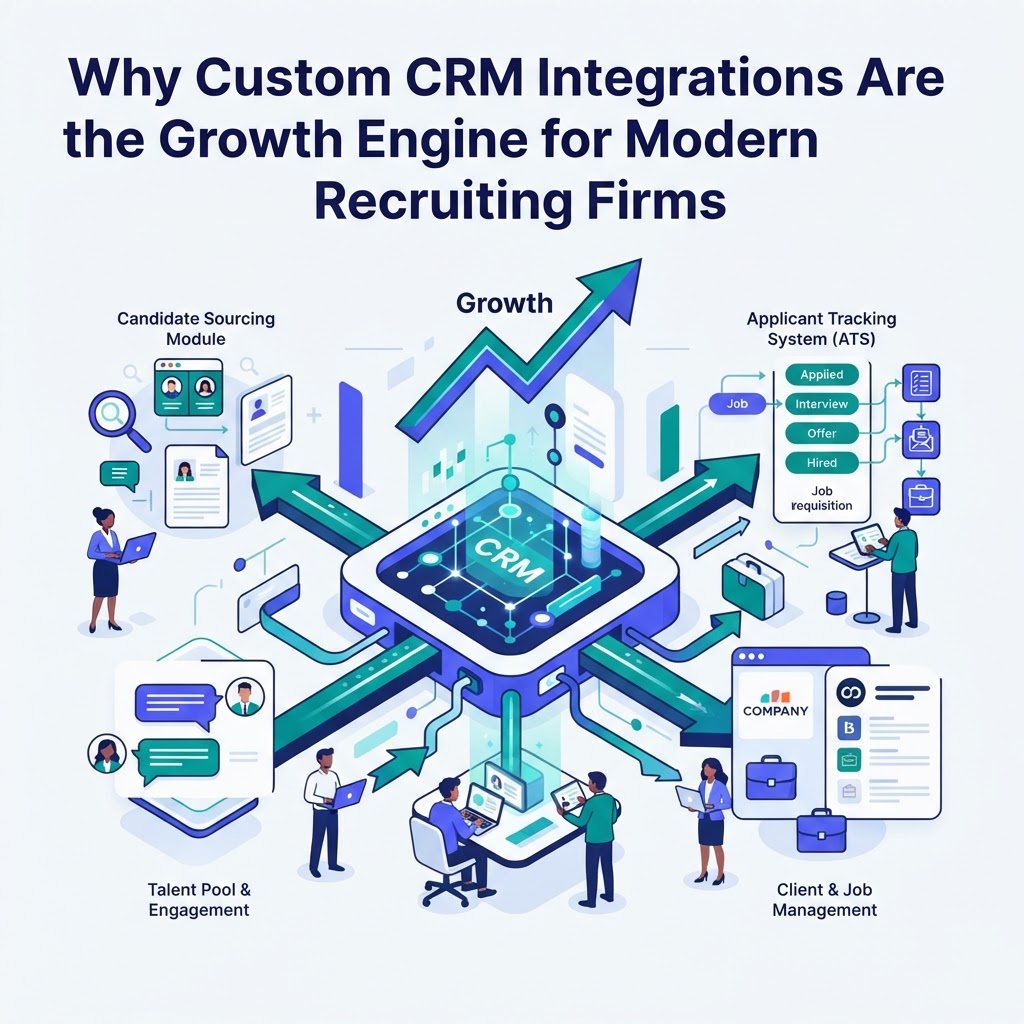
Unlike traditional in-house talent acquisition, RPO providers operate in a multi-tenant ecosystem. A standard ATS often lacks the flexibility to partition data while providing a unified view of the talent pool. A purpose-built recruiting CRM for RPO allows firms to segment talent by client, skill set, and seniority while maintaining a "silver medalist" database. By leveraging automated nurturing, recruiters can keep passive talent engaged for months. RecruiterCRMFlow excels here by offering automated segmentation, ensuring that a candidate who was a great fit for Client A today can be proactively messaged about a similar opening for Client B tomorrow.
Automating the Top of the Funnel for Massive Scale
Scaling recruitment is impossible if recruiters are spending four hours a day on manual data entry or screening. To handle high volumes, RPO firms must adopt automation for repetitive tasks. This includes automated email sequences for initial screening, self-scheduling links for interviews, and automated status updates to candidates. By automating these touchpoints, recruiters reclaim roughly 30% of their day, which they can redirect toward high-touch candidate advocacy. When you multiply this by a team of fifty recruiters, the cumulative gain in productivity is immense.
Leveraging Data-Driven Insights to Retain Clients
Client retention in the RPO space is heavily tied to performance metrics. Clients want to see data on time-to-hire, source-of-hire, and diversity metrics. A centralized recruiting CRM provides the real-time analytics dashboards necessary to demonstrate value. Rather than spending a full day preparing a manual QBR (Quarterly Business Review) presentation, RPO managers can pull live reports from their CRM in minutes. Showing a client exactly how your sourcing efforts decreased their cost-per-hire by 15% is the most effective way to secure a contract renewal.
Creating a Unified Talent Ecosystem
One of the biggest hurdles in RPO growth is the fragmentation of data. Recruiters often work in silos, leading to duplicate outreach and wasted efforts. A unified platform allows the entire agency to treat the talent database as a shared asset. By utilizing RecruiterCRMFlow, firms create a single source of truth that spans across all accounts. This allows the team to cross-pollinate talent, increasing the speed of placement for multiple clients simultaneously and reducing the need to spend on external job boards.
Conclusion
Scaling an RPO requires a transition from manual effort to systemic automation. By implementing a sophisticated recruiting CRM RPO strategy, firms can manage high-volume pipelines without sacrificing the quality of the candidate experience. Technology serves as the force multiplier that turns a small team into a high-output engine. As the industry becomes increasingly competitive, those who master their data and automate their outreach will undoubtedly lead the market.