The AI Job Crisis Is Real — And Recruiters Are on the Front Line
In 2026, AI isn't a future threat — it's a present reality reshaping work. Entire roles are being automated, new categories are emerging, and companies are restructuring around AI-native workflows. For recruitment agencies, this isn't a crisis to survive. It's the biggest opportunity in a generation.
What the AI Job Crisis Actually Looks Like
- Displacement: Routine knowledge work — data entry, basic copywriting, junior analysis — is being automated at speed.
- Creation: New roles are appearing: AI prompt engineers, ML ops specialists, AI ethics leads, automation architects.
- Reskilling: Mid-career professionals need bridges from old roles to new ones, and few know how to cross that gap alone.
- Uncertainty: Hiring managers don't know what skills they'll need in 12 months, making long hiring plans risky.
Why Recruiters Are More Valuable Than Ever
The irony of the AI job crisis is that it makes human recruiters more essential, not less. AI can parse a thousand CVs, but it can't:
- Coach a displaced mid-level manager through a career pivot.
- Advise a founder on whether to hire an AI specialist or upskill an existing team member.
- Build trust with a passive candidate nervous about jumping into an unproven AI role.
- Read between the lines of a client's shifting requirements.
How Agencies Can Turn Crisis Into Opportunity
- Become the reskilling bridge. Position your agency as the connector between displaced talent and emerging AI-era roles. Track candidates' transferable skills, not just job titles.
- Build AI-era talent pools. Group candidates by adjacent skill sets — a data analyst today is an AI data ops candidate tomorrow. A CRM with talent pools makes this instant to activate.
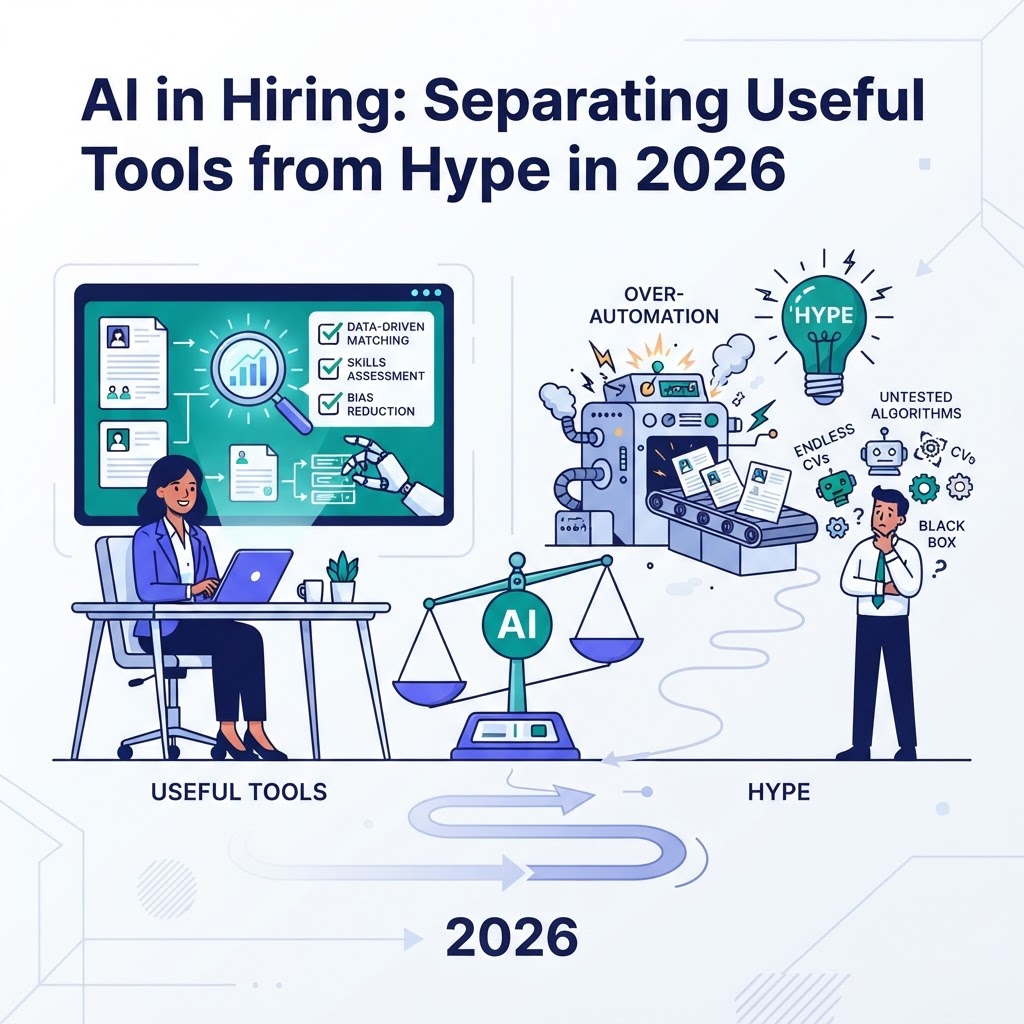
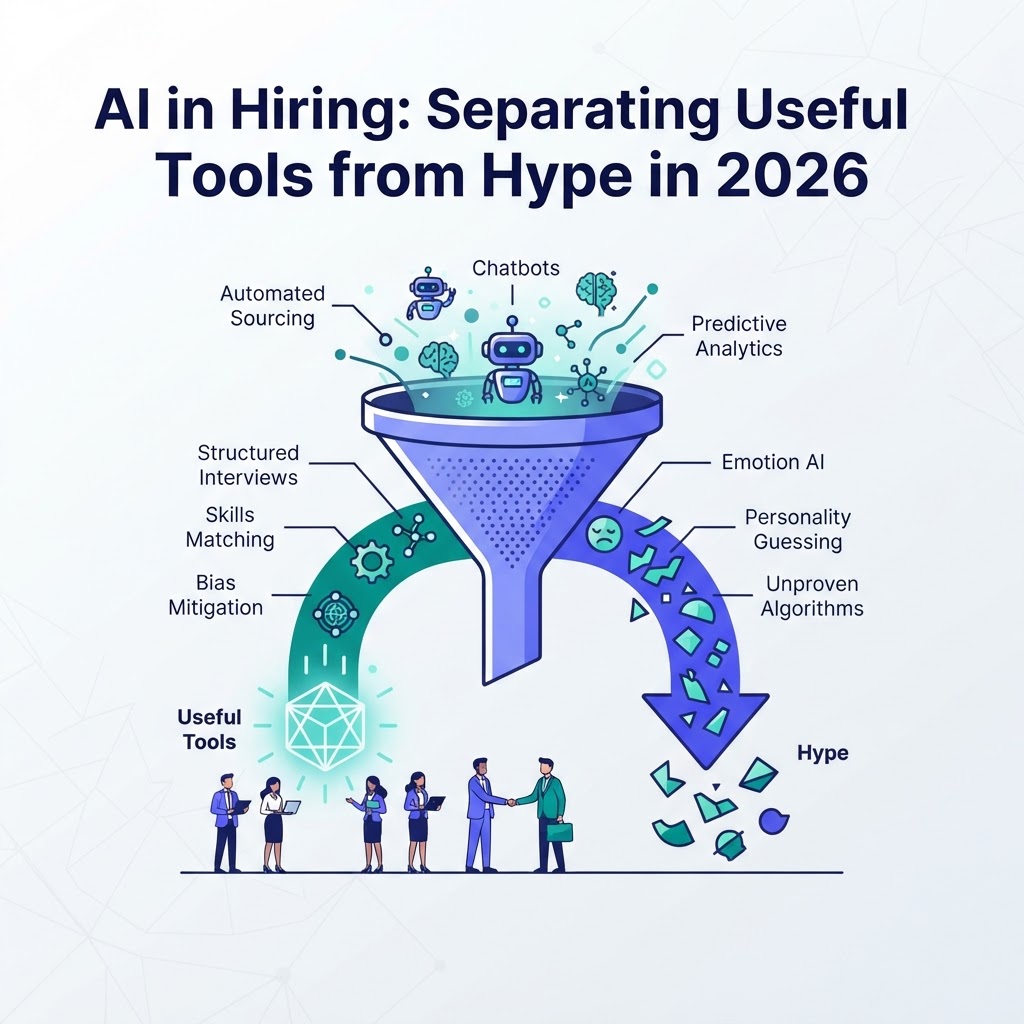
- Use AI tools yourself. AI-powered CV parsing, candidate-to-job matching, and cover letter generation dramatically increase your throughput. The agencies that adopt these tools outpace those that don't.
- Advise clients on role design. Help hiring managers define AI-augmented roles instead of replacing humans blindly. This makes you a strategic partner, not a CV-sourcing vendor.
- Track the transition. When a candidate reskills and lands a new role through you, that's a placement, a testimonial, and a repeat client — all from one relationship you nurtured through the crisis.
The System That Makes It Manageable
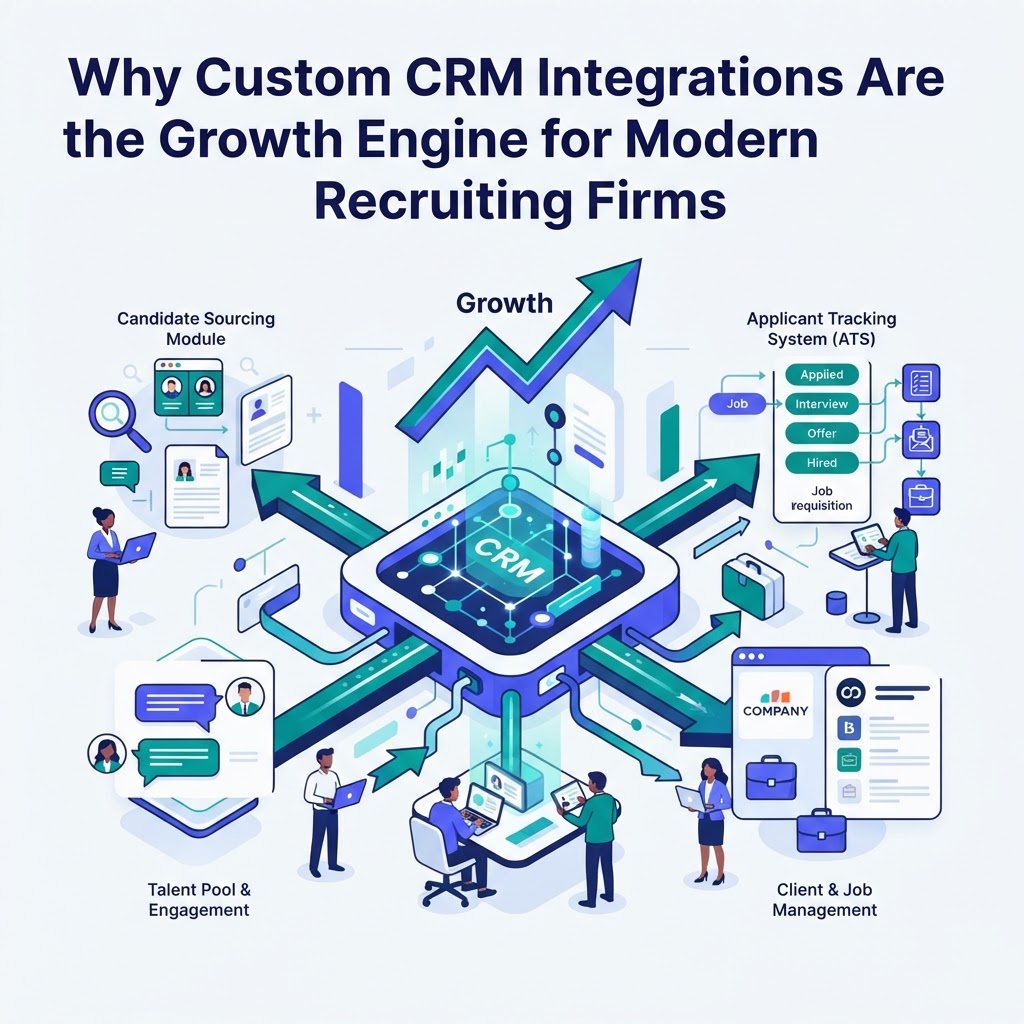
None of this works in a spreadsheet. Managing candidates through career transitions requires a system that holds every interaction, skill, and note over months — and surfaces the right person the moment a new role appears. A recruiting CRM is that system. It turns the chaos of the AI job crisis into a structured, searchable, relationship-driven pipeline.
The Bottom Line
The agencies that thrive in the AI era won't be the ones who fear automation — they'll be the ones who use it, guide candidates through change, and keep human relationships at the center. The right CRM is the operating system for that transition.