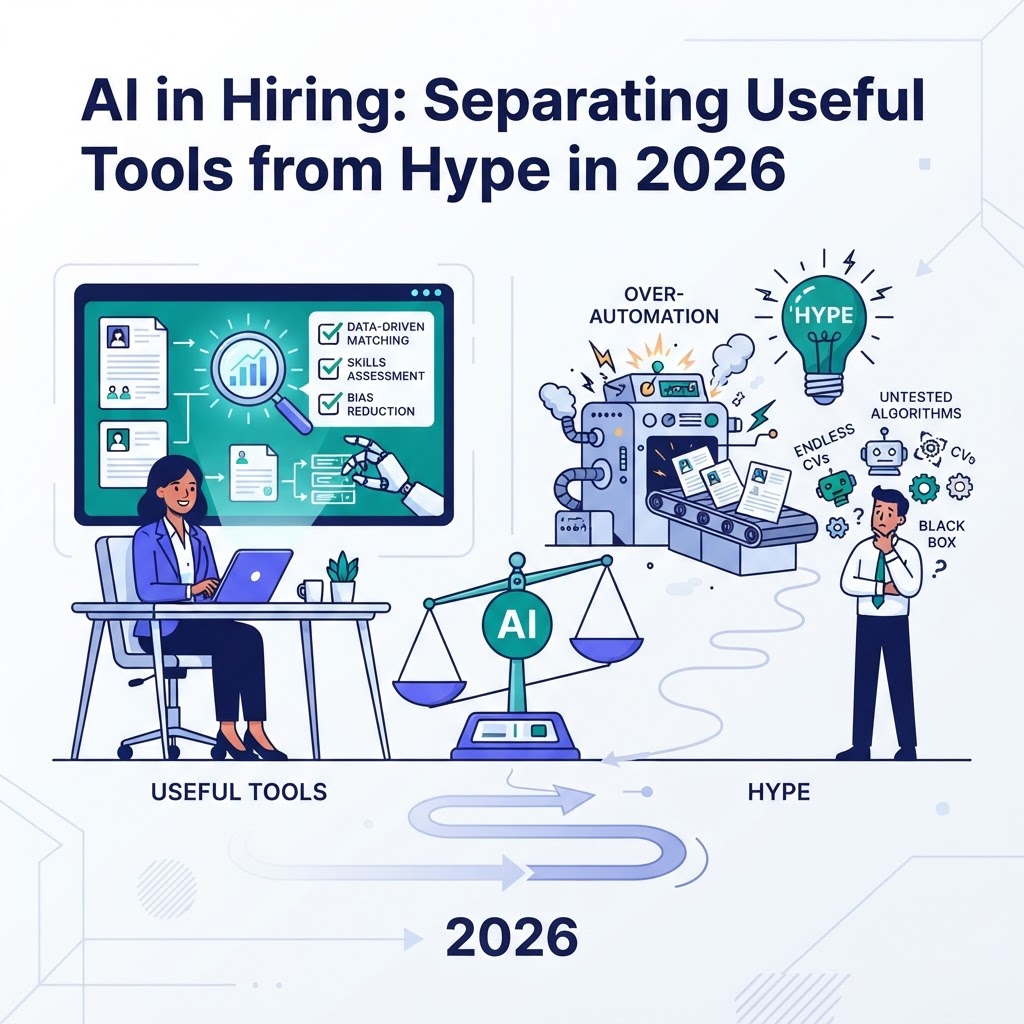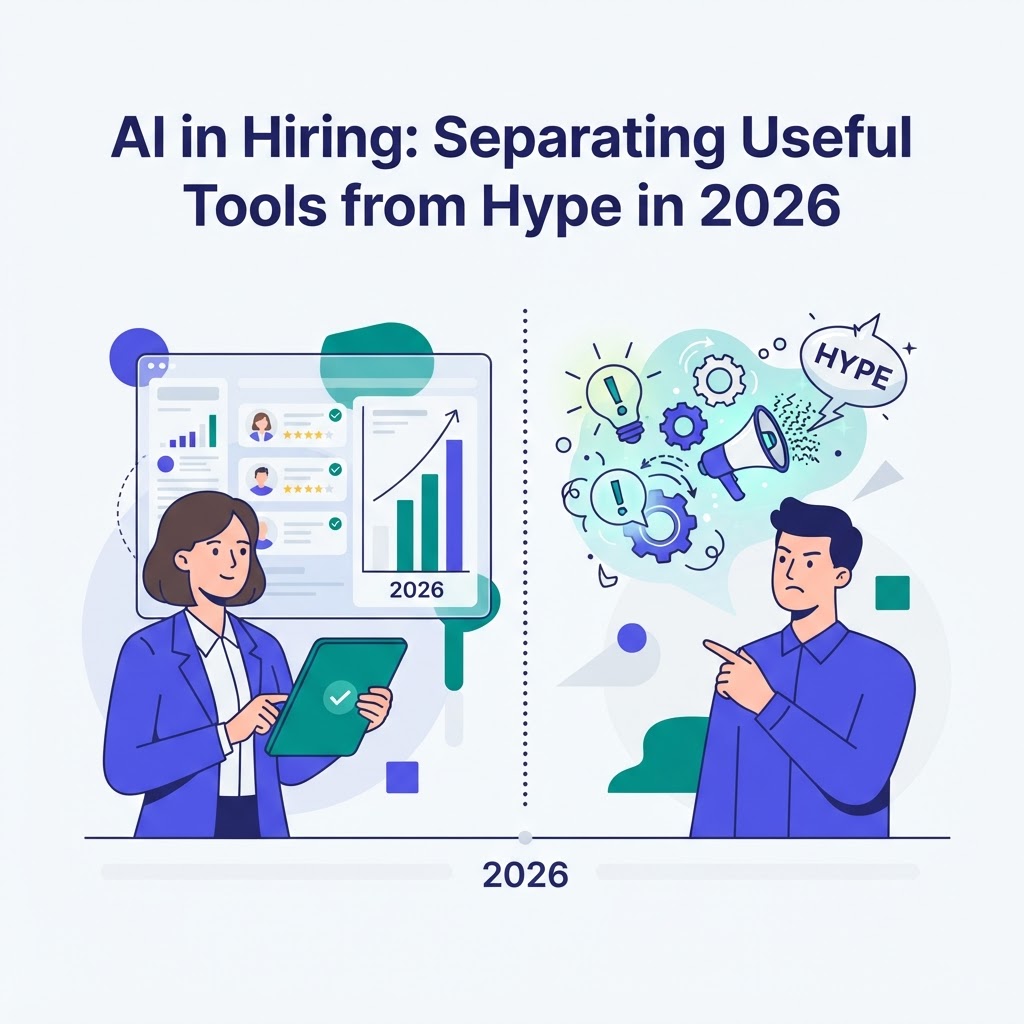
The recruitment landscape in 2026 has shifted from a "wait and see" approach to a total reliance on automated infrastructure. While early generative AI tools promised to automate the human out of hiring, the most successful firms have pivoted to a "human-in-the-loop" model. The current market is saturated with AI tools, many of which provide little more than basic automation wrapped in expensive branding. To maintain a competitive edge, agency owners must distinguish between tools that provide tangible ROI through data efficiency and those that simply inflate their tech stack costs.
The Evolution of Intelligent CV Parsing
In previous years, CV parsing was often a source of frustration, with systems frequently misclassifying skills or ignoring non-linear career paths. By 2026, the best AI parsing engines have moved beyond keyword matching to semantic understanding. These tools can now interpret context, such as recognizing that a "Technical Lead" in a fintech startup holds equivalent weight to a "Senior Engineering Manager" at a legacy firm. Using a robust platform like RecruiterCRMFlow ensures that these parsed details are instantly indexed into a searchable CRM profile rather than sitting in a siloed document repository.
Candidate Matching: Precision vs. Noise
Many AI-driven candidate matching tools suffer from "precision fatigue," where they return thousands of matches that fail to account for the nuances of cultural fit or salary expectations. Practical AI in 2026 focuses on ranking candidates based on historical placement data, client preferences, and engagement levels. If an AI suggests a candidate without knowing if they have been contacted recently or why they declined a previous role, it is noise. RecruiterCRMFlow integrates this intelligence directly into the workflow, surfacing candidates who are not just skilled, but are actively receptive based on their recent interaction history.
Solving the Data Fragmentation Crisis
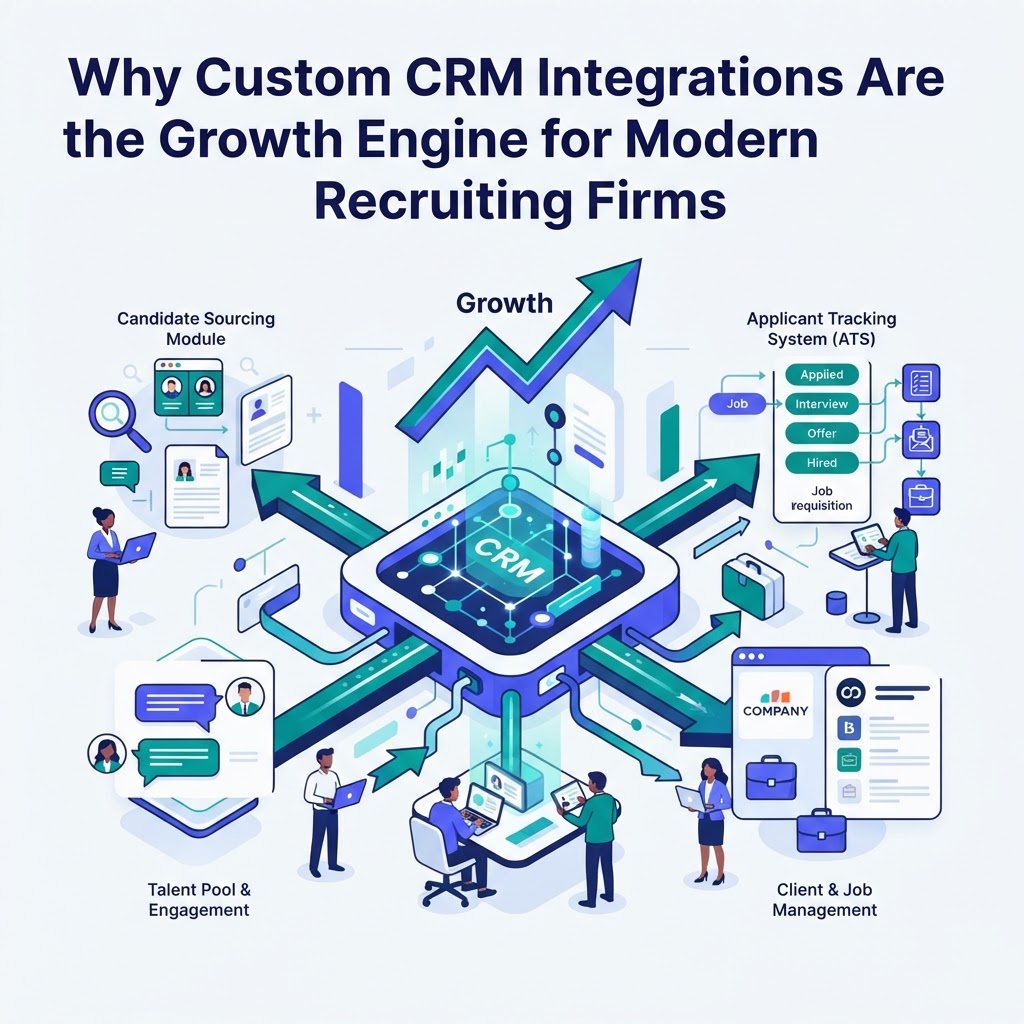
One of the greatest dangers of adopting fragmented AI tools is the creation of "Data Graveyards." When agencies use one tool for sourcing, another for automated emails, and a third for interview scheduling, candidate records become disjointed. This is where recruiters lose talent—when a star candidate is buried in an external app while the CRM remains empty. By centralizing your AI efforts within a unified platform, you prevent the loss of critical relationship data. RecruiterCRMFlow acts as the central nervous system, ensuring that every AI-generated insight, email interaction, and interview note is captured in one place.
Practical Benchmarks for AI Performance
How do you measure if an AI investment is working? In 2026, look for these three key metrics to determine if a tool is hype or help:
- Time-to-shortlist: Does the tool reduce the time from job opening to qualified shortlist by at least 30%?
- Data Enrichment Quality: Does the tool update CRM profiles with new skills or employment changes without manual intervention?
- Interaction Rate: Has the tool increased the reply rate from passive candidates through personalized outreach?
If you are not seeing improvement in these areas, the software is likely an administrative burden rather than an operational asset.
The Future of Relationship-Centric Recruiting
As AI continues to commoditize the process of finding candidates, the true differentiator for recruitment agencies is the strength of their human relationships. AI should be used to eliminate the administrative "busy work"—such as manual data entry, interview coordination, and routine status updates—so that recruiters can spend their time on high-value conversations. When you deploy AI as an assistant rather than a replacement, you turn your CRM into a high-octane engine. RecruiterCRMFlow supports this vision by automating the mundane, allowing your team to focus on the high-touch candidate and client management that no AI can replicate. By leveraging AI to manage the "how" and leaving the "who" to your recruiters, you ensure that your firm remains the preferred partner in a technology-driven market.