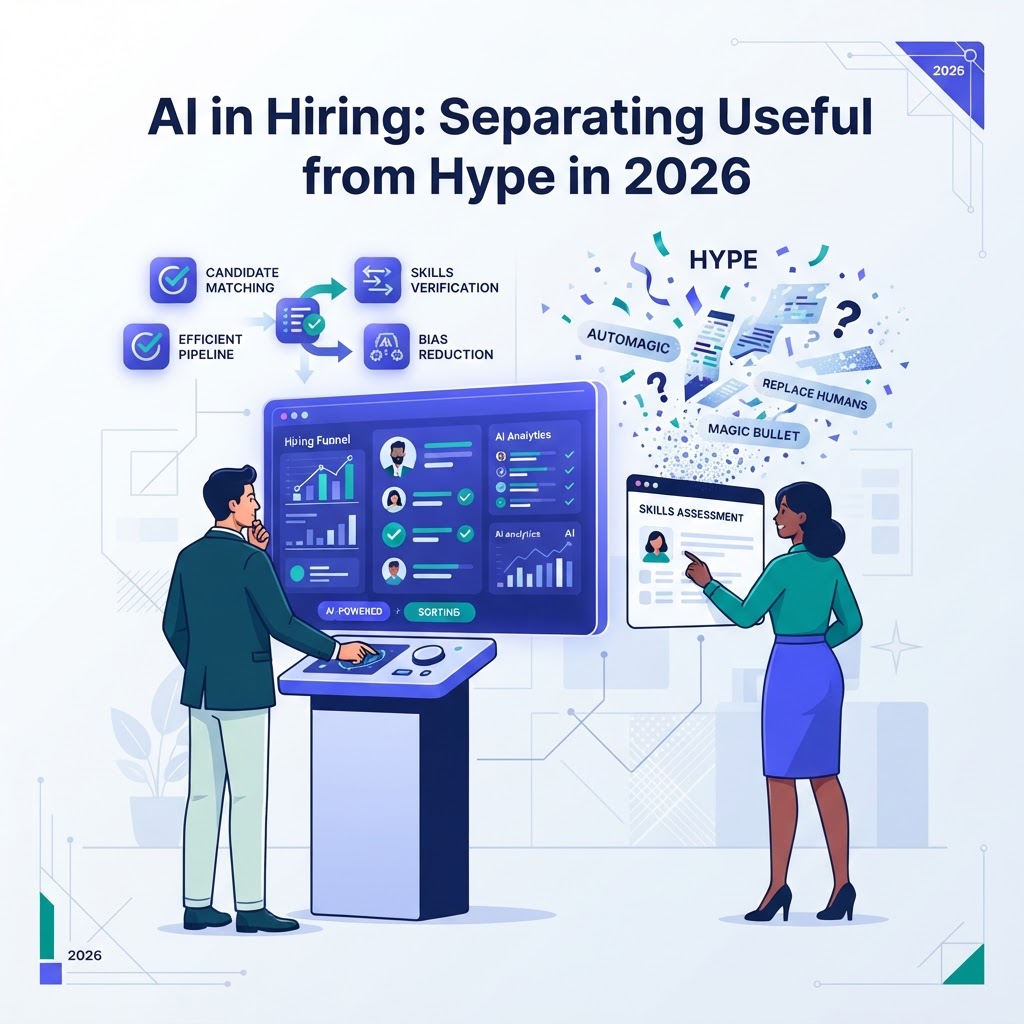
The recruitment landscape of 2026 is no longer defined by whether you use AI, but by how effectively you discern between high-impact tools and ephemeral hype. As the market saturates with automation promises, recruiters face the challenge of distinguishing between genuine efficiency gains and features that add more noise to an already complex hiring process. The goal for high-performing agencies remains consistent: identifying top talent before the competition, but the tools at our disposal have evolved into predictive engines that require careful calibration.
The Evolution of Intelligent CV Parsing
Ten years ago, basic keyword matching was the gold standard for parsing resumes. Today, advanced large language models have moved past simple substring matching to contextual understanding. In 2026, effective CV parsing must interpret professional trajectory, inferring skills from experience rather than just scanning for buzzwords. A tool that identifies 'Project Management' is useful, but one that understands a candidate's specific impact in a multi-stakeholder enterprise environment is transformative. When your CRM integrates this level of intelligence, you stop losing talent to poor data entry or outdated search parameters.
Matching Algorithms and the CRM Connection
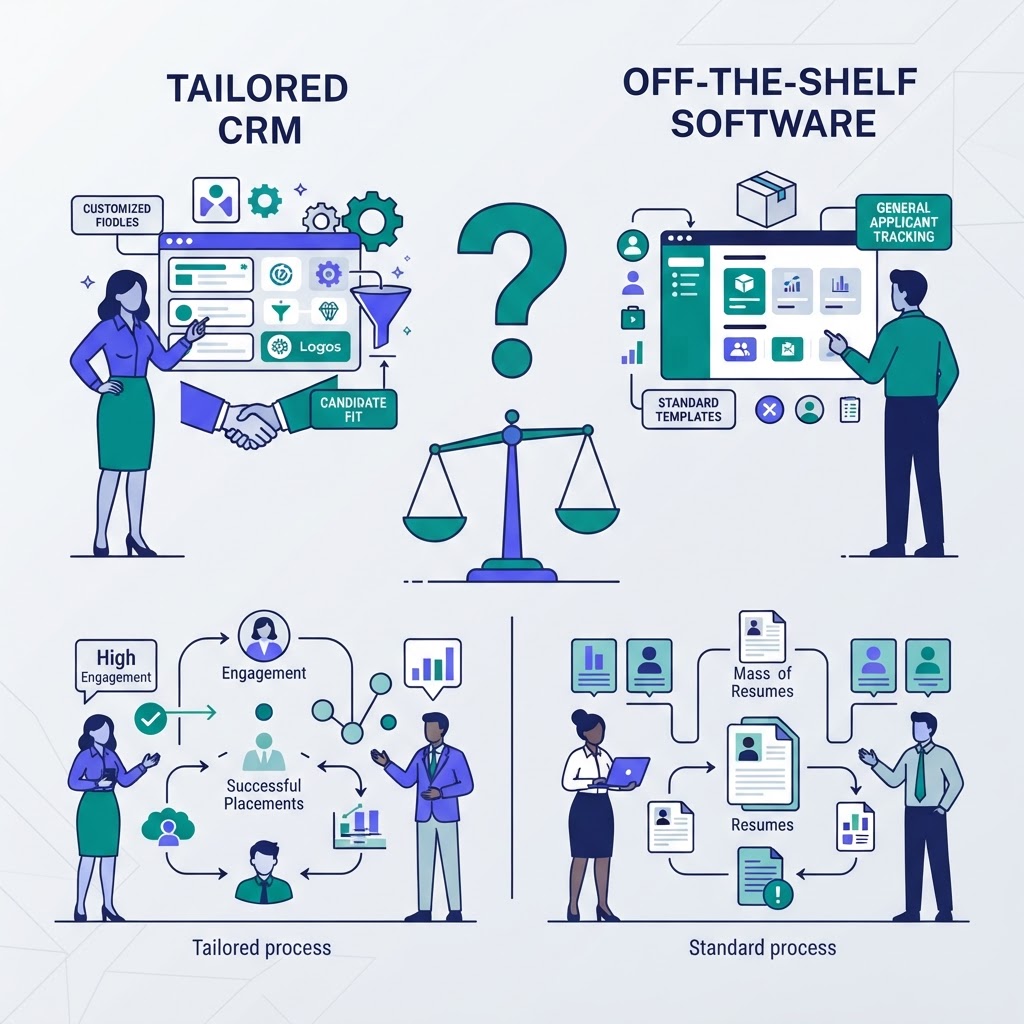
Matching algorithms represent the most significant potential for ROI in the current hiring tech stack. However, the efficacy of these algorithms is entirely dependent on the quality of your centralized database. If your candidate data is fragmented across emails, spreadsheets, and siloed platforms, even the most sophisticated AI will produce low-quality matches. This is where RecruiterCRMFlow becomes essential. By maintaining a single source of truth, the platform allows AI matching engines to scan your entire historical talent pool, ensuring that you aren't just searching the open market, but re-engaging candidates you already know.
Distinguishing Hype from Sustainable Features
How do you identify what is hype? A good rule of thumb in 2026 is to look for tools that automate routine drudgery without removing the recruiter's oversight. Avoid tools that promise to 'fully automate candidate communication' without a human feedback loop. Hype-driven tools often fail to capture the nuance of employer branding and can alienate candidates. Conversely, sustainable features—such as sentiment analysis on candidate emails or automated scheduling that respects time zone complexity—actually reduce the friction in the recruitment lifecycle.
- Automated task reminders that prevent candidate ghosting.
- Predictive analytics that suggest when a client is likely to have a hiring need based on industry trends.
- Intelligent data deduplication to keep your candidate pool clean.
- Personalized outreach triggers based on candidate behavioral patterns.
Solving the Data Fragmentation Problem
One of the biggest pitfalls for agencies in 2026 is the 'information vacuum' created by using too many disconnected tools. When AI provides an insight—such as identifying a high-potential passive candidate—but that insight doesn't push directly into your CRM, the value is lost. RecruiterCRMFlow addresses this by serving as the central nervous system for your hiring process. Without a robust CRM, your AI tools are merely expensive search engines. By centralizing candidate interactions, you ensure that every AI-driven insight leads directly to a measurable action, such as a scheduled interview or a placement.
Maximizing Human-Centric AI Deployment
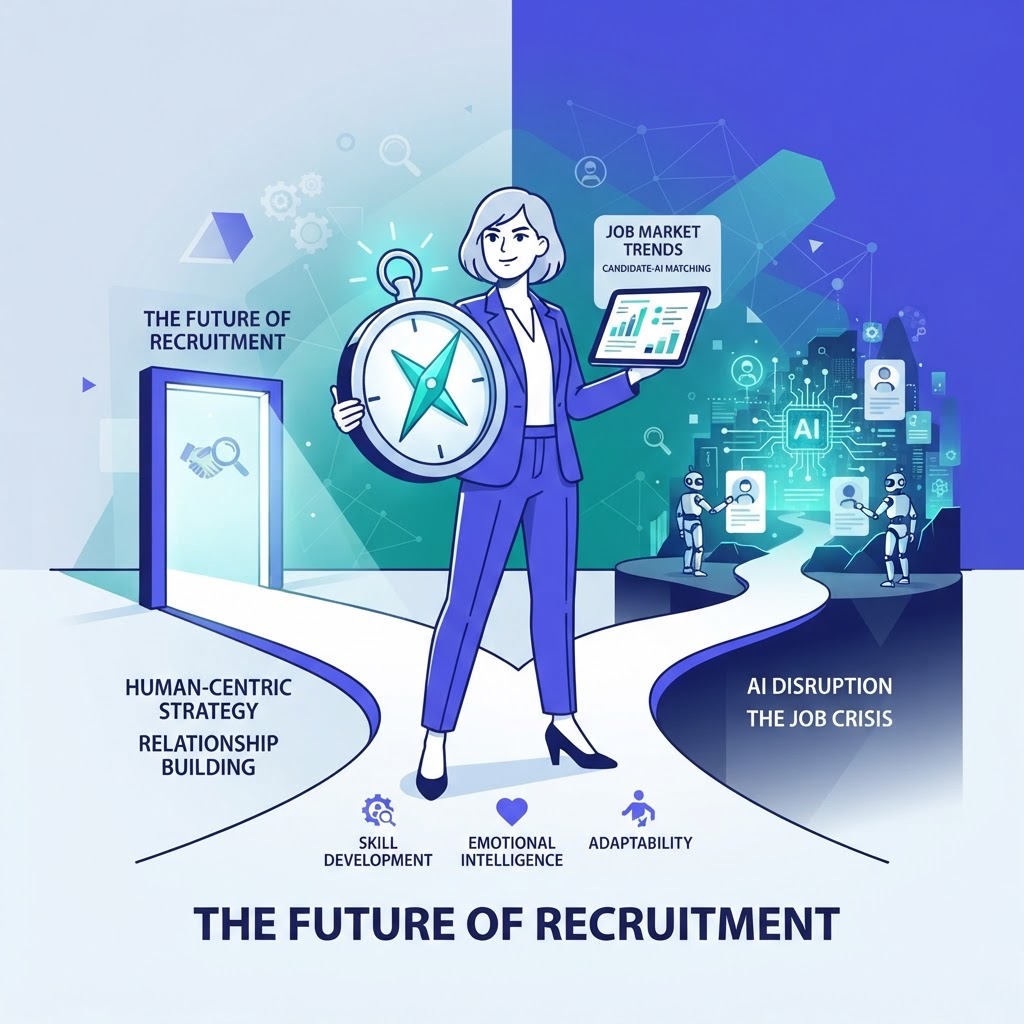
Ultimately, AI should exist to empower your recruiters to do what they do best: build relationships. The most effective firms in 2026 use AI to offload the repetitive tasks—data entry, preliminary outreach, and scheduling—to free up 10 to 15 hours per week for high-value activities like interviewing and client strategy. By offloading the 'tech-heavy' aspects of the job to an integrated platform like RecruiterCRMFlow, your team can refocus on the human element that no machine can replicate. Focus your tech spend on tools that integrate natively with your current workflow rather than creating additional manual work.