The rapid advancement of artificial intelligence has triggered widespread anxiety across the global labor market. While headlines often focus on displacement, the reality is a massive structural shift in required skills. For recruitment agencies, this represents both a significant challenge and a massive opportunity. Recruiters are no longer just middlemen; they are now essential architects of career transition in an era of unprecedented technological disruption.
The Reality of AI-Driven Workforce Displacement
Recent data suggests that up to 300 million full-time jobs could be exposed to automation in the coming years. Roles in administrative support, data entry, and even junior-level coding are seeing a sharp decline in hiring volume. However, this is not the end of employment; it is the end of repetitive tasks. As a recruitment agency, your database is likely filled with candidates whose traditional roles are disappearing. Rather than losing these connections, you must view them as an untapped resource for reskilling.
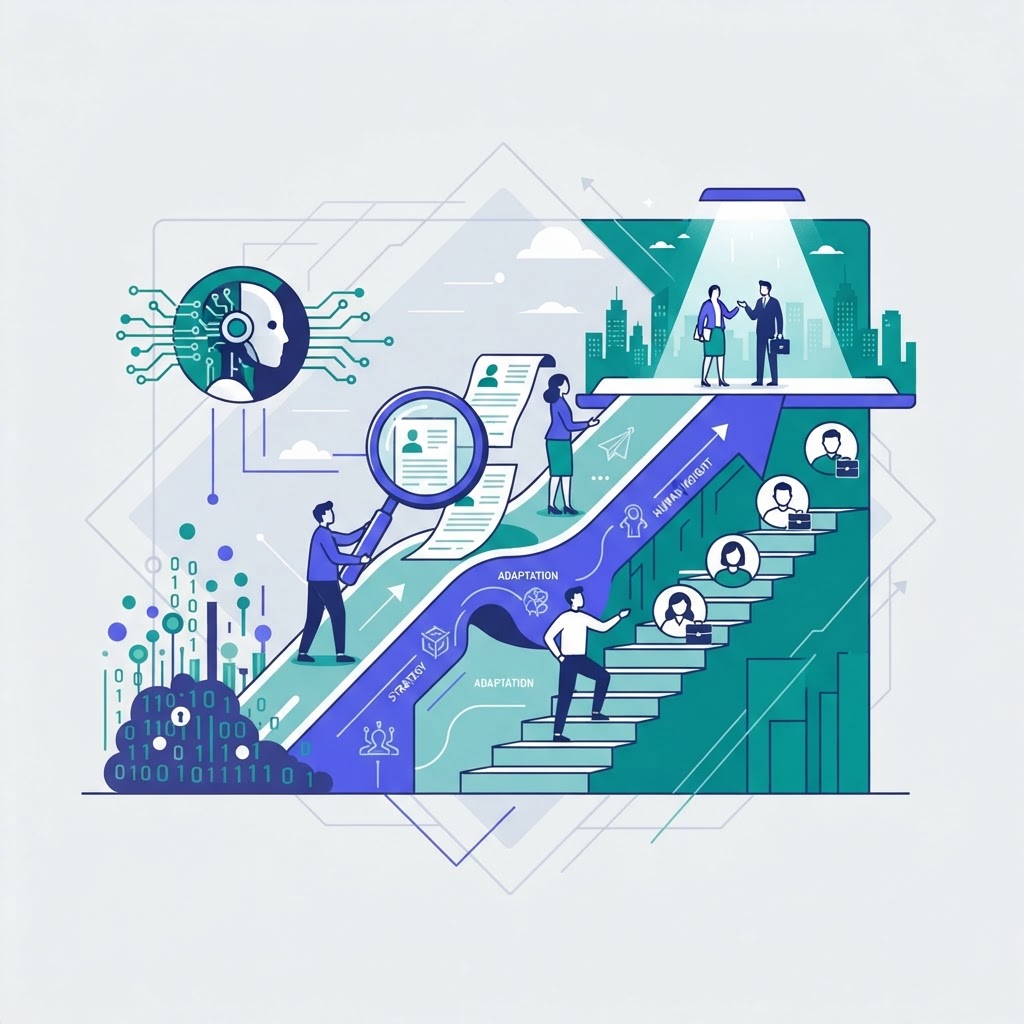
Pivoting from Placement to Career Partnership
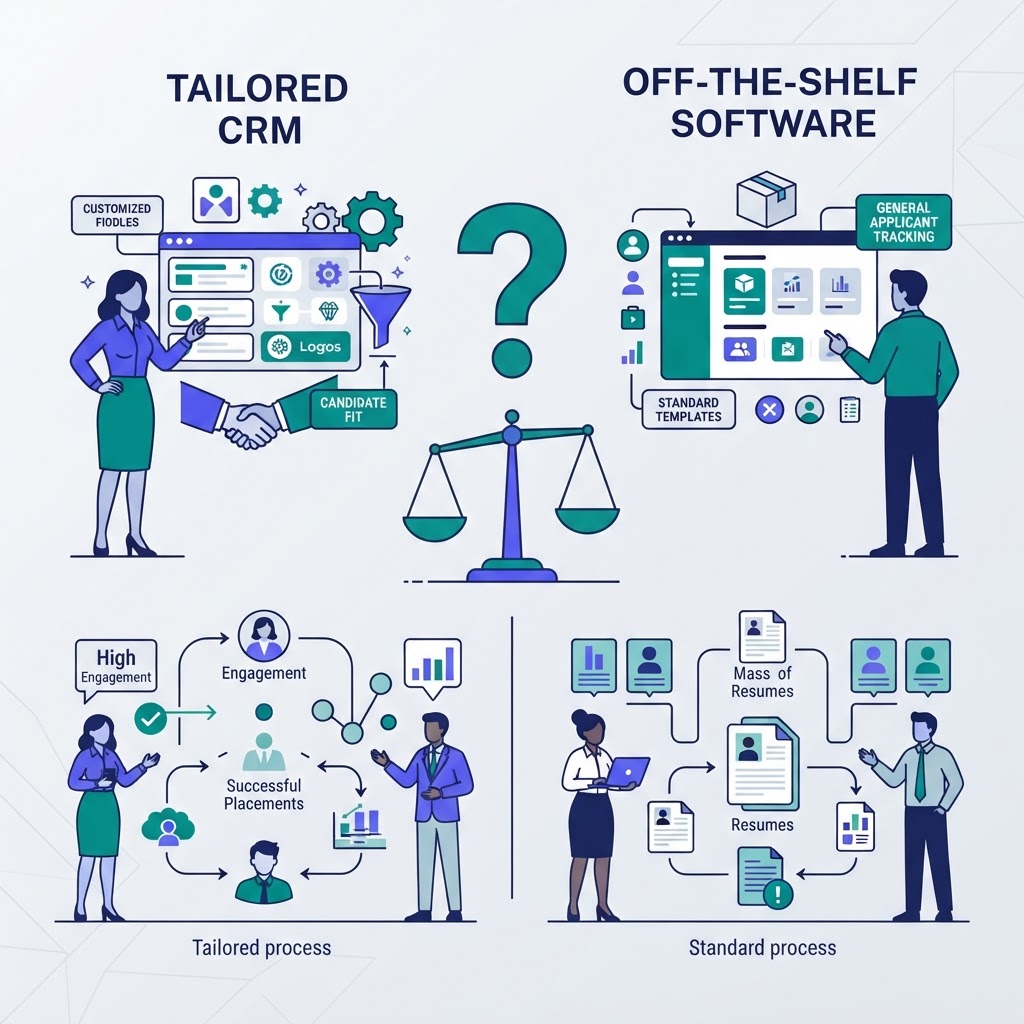
Recruiters must pivot from transactional placement to strategic career partnership. When a candidate's industry is shrinking, you must be the advisor who identifies transferable skills. A customer service representative displaced by chatbots often possesses high-level emotional intelligence and conflict resolution skills—qualities that are increasingly valuable in human-centric roles. Tracking these soft skills requires a sophisticated CRM. Without a platform like RecruiterCRMFlow, your team will likely lose track of these candidates as their circumstances evolve, resulting in missed opportunities for both the firm and the talent pool.
The Role of Reskilling and Upskilling
Agencies that successfully adapt are becoming bridge-builders between displaced talent and the AI economy. This involves:
- Mapping candidate profiles to emerging AI-adjacent roles like Prompt Engineers or AI Ethics Compliance Officers.
- Partnering with specialized training providers to offer certification pathways to your candidates.
- Leveraging historical data to predict which legacy roles are most vulnerable to automation in your specific niche.
By helping a candidate reskill, you create a loyal advocate for your agency. RecruiterCRMFlow allows you to tag these candidates with specific skill-gap markers, ensuring you can pull a list of 'ready-to-retrain' talent the moment a client creates a new, tech-enabled position.
Maximizing Efficiency Through Technology
In the current market, speed is the ultimate competitive advantage. With AI automating the recruitment process itself, agencies must leverage high-tech tools to maintain a human touch. If your agency is still manually cross-referencing spreadsheets to match candidates with jobs, you are operating at a distinct disadvantage. RecruiterCRMFlow automates the heavy lifting of lead management and candidate tracking, freeing up your recruiters to conduct the high-level career coaching that AI cannot replicate. By reducing administrative friction, you can dedicate more time to interviewing and upskilling initiatives.
Why Your CRM Strategy is Your Lifeline
Many agencies suffer from 'data decay,' where contact information and candidate career statuses go stale. In a volatile job market, your CRM is your most valuable asset. If you are not utilizing RecruiterCRMFlow to track the career progression of your candidates, you are effectively leaving money on the table. You need a centralized system that tracks not just job titles, but evolving certifications, newly acquired AI skills, and changing candidate priorities. When a hiring manager calls with an urgent request for a hybrid role, the ability to instantly filter for candidates who have successfully transitioned into new tech stacks will define your agency's success.
Building a Future-Proof Agency
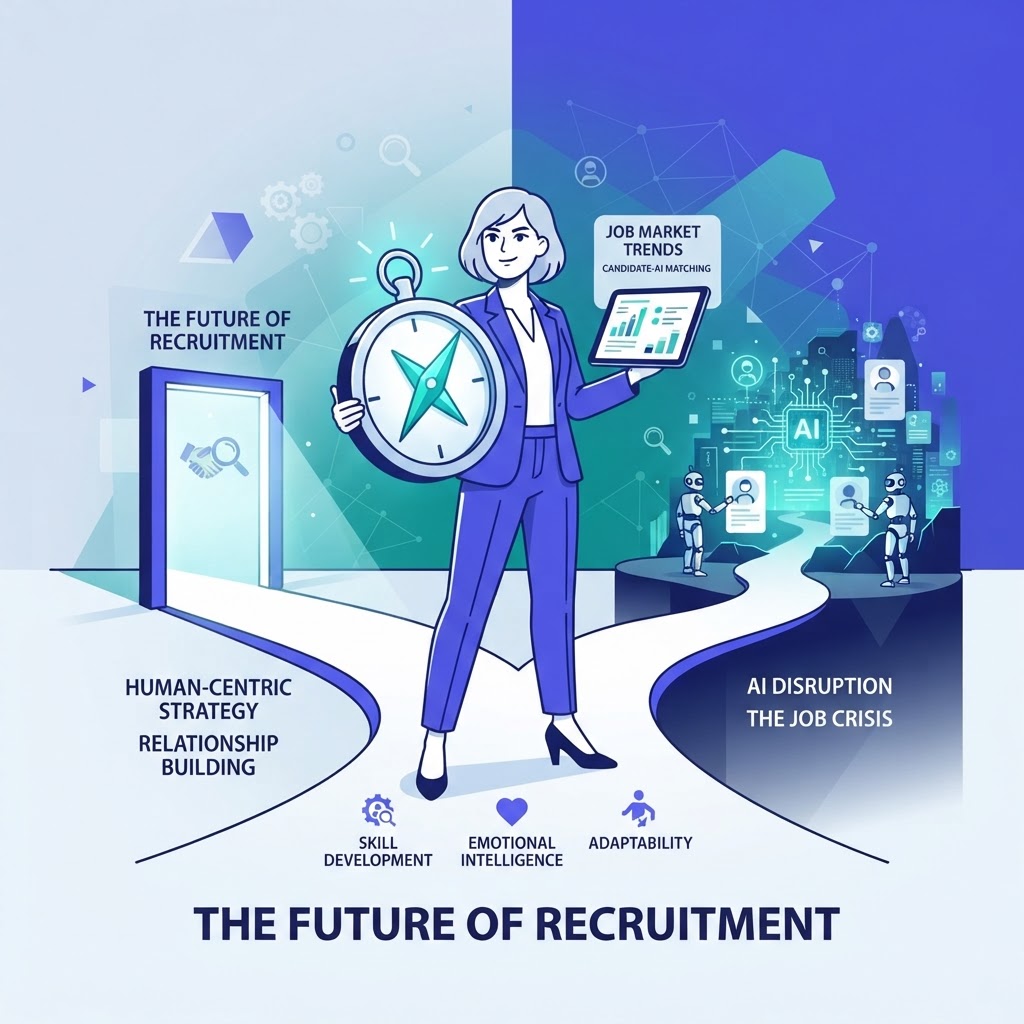
The AI job crisis is not a death knell for recruitment; it is a catalyst for professionalization. Agencies that prioritize candidate relationships, leverage data through tools like RecruiterCRMFlow, and embrace their role as career architects will dominate the next decade of hiring. Adaptability is the ultimate skill—for recruiters, and for the candidates they represent. By focusing on human potential and utilizing the right technological infrastructure, your agency can turn a period of uncertainty into a period of unprecedented growth.