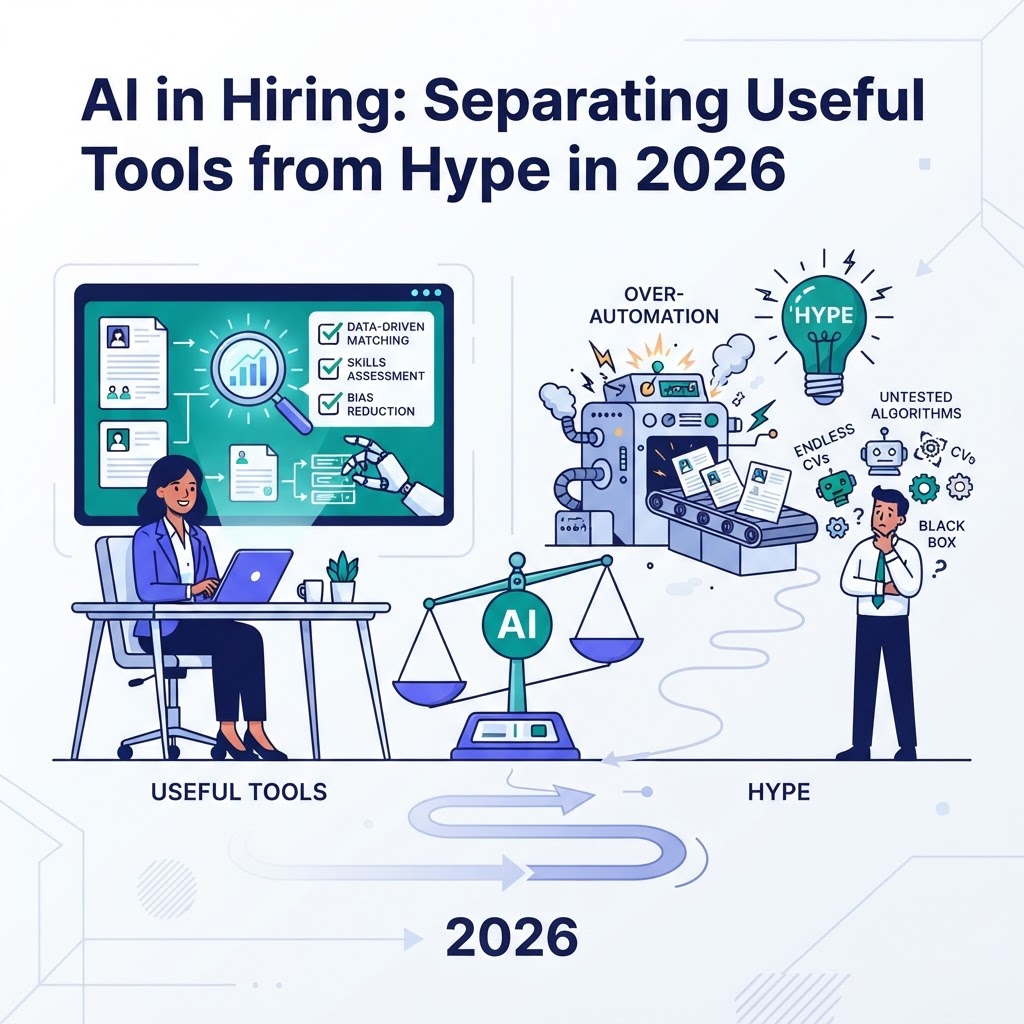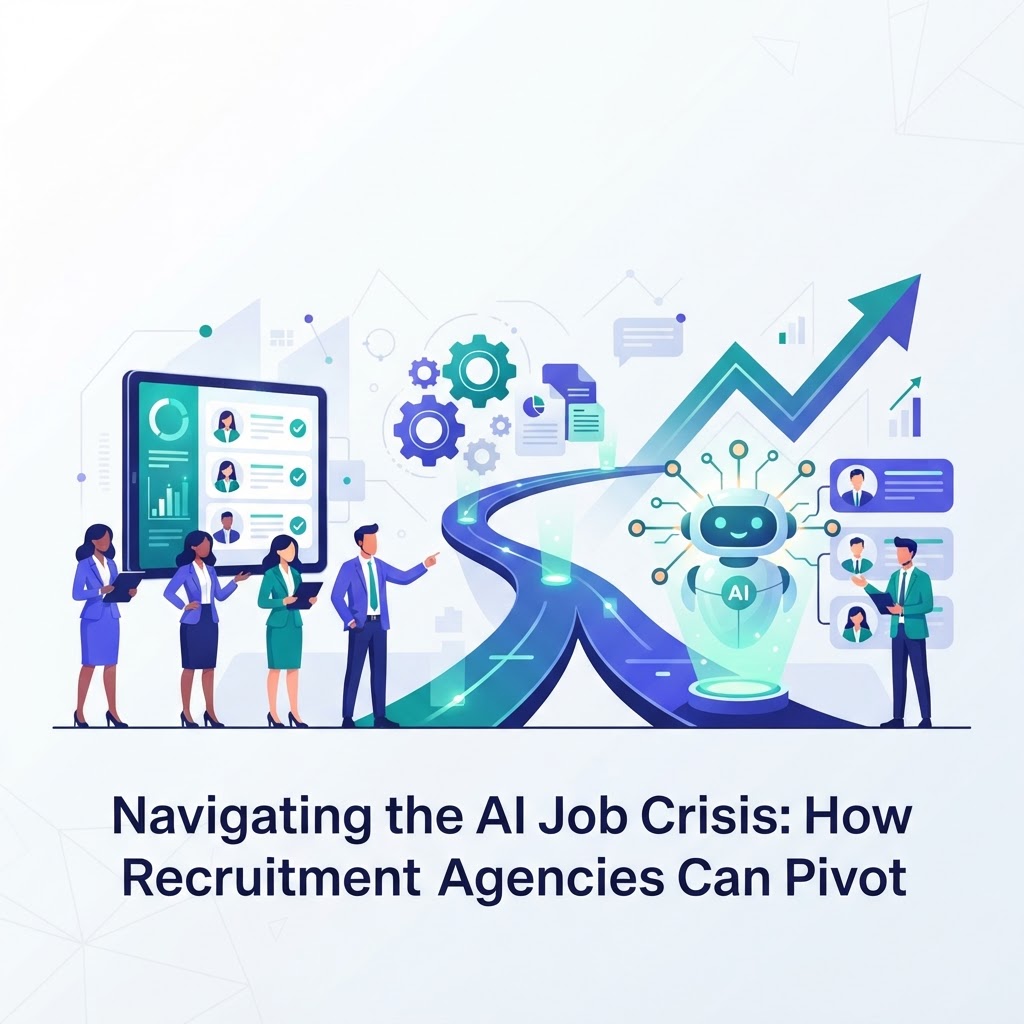
The rapid advancement of artificial intelligence has moved from a speculative trend to a fundamental shift in the labor market. Goldman Sachs estimates that AI could automate up to 300 million full-time jobs globally, creating a period of significant professional displacement. For recruitment agencies, this represents both a crisis of volume and an opportunity for specialized intervention. Recruiters are no longer just middlemen; they are becoming essential architects of workforce transition.
The Anatomy of AI Displacement
Displacement is currently concentrated in sectors that rely on routine cognitive tasks, such as data entry, basic accounting, and entry-level programming. According to recent industry data, 40% of white-collar tasks are highly susceptible to automation. This is not merely a reduction in headcount; it is a structural change in the skills required for long-term viability. Candidates who once thrived on repetitive administrative processes are finding their expertise rapidly devalued, necessitating a move toward high-level strategy, human-centric roles, and AI-assisted workflows.
Bridging the Skills Gap via Reskilling
Recruiters must adopt a "skills-first" lens to support candidates through this transition. Rather than matching resumes to job descriptions based on historical titles, agencies must identify adjacent skills. For example, a displaced legal clerk possesses rigorous document analysis capabilities that are highly transferable to AI compliance and ethics roles. Agencies that implement structured assessment tools to map these internal capacities are successfully placing candidates in roles that companies are desperate to fill but struggling to staff.
The Critical Role of Candidate Relationship Management
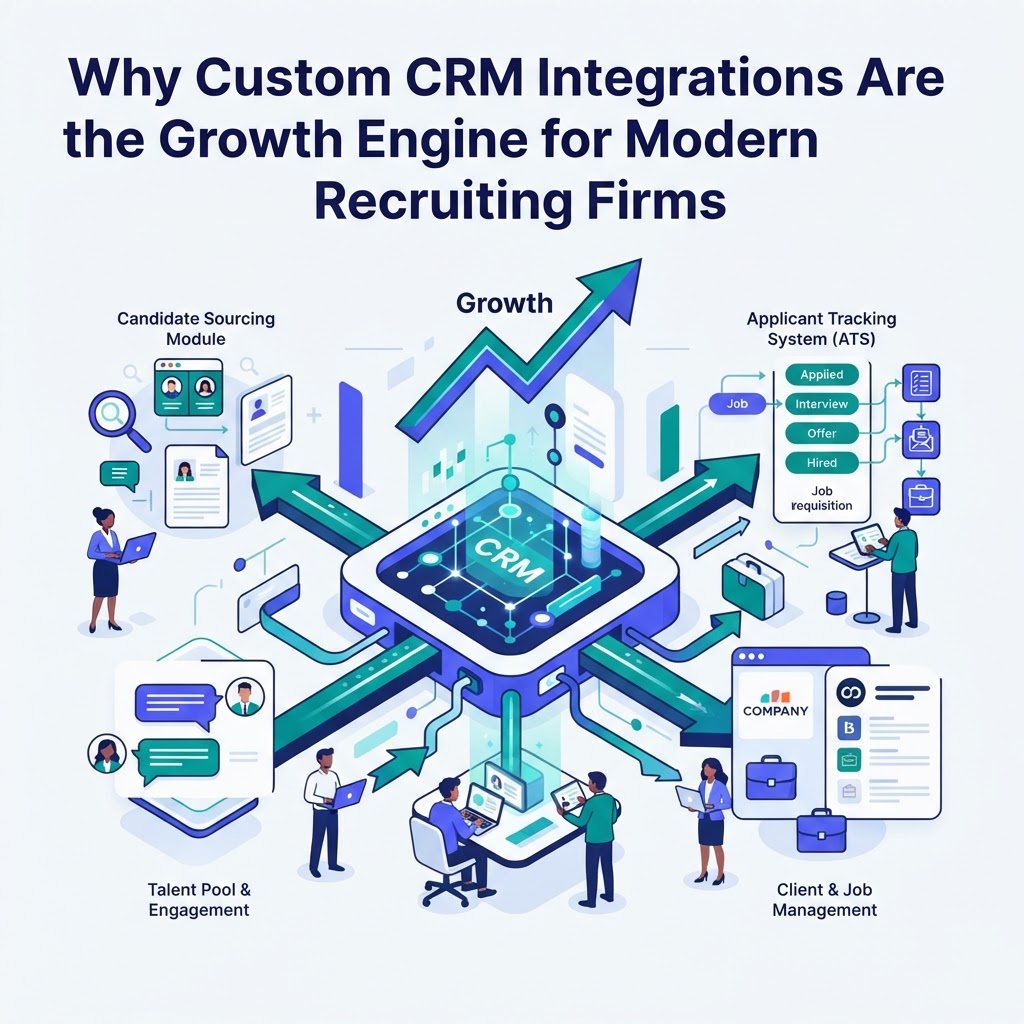
As the volume of displaced workers rises, the risk of losing top talent in a bloated database is significant. Without a robust system, recruiters lose track of candidates who possess the exact technical potential needed for the new economy. This is where RecruiterCRMFlow becomes a survival tool. By utilizing RecruiterCRMFlow, agencies can maintain dynamic talent pools, tagging candidates by emerging skills rather than static job history. If your CRM lacks the ability to track long-term candidate upskilling, you are effectively leaving revenue and placement success on the table.
Improving Agency Efficiency with AI-Era Tools
To manage the influx of applicants, agencies must eliminate manual friction. RecruiterCRMFlow automates the heavy lifting of candidate communications and status updates, allowing recruiters to focus on the human side of the placement process—career coaching and cultural vetting. When your CRM handles the logistics of candidate tracking, your team can spend more time advising clients on the shift toward "human-in-the-loop" hiring strategies. In an era where AI generates high volumes of applications, being the agency that provides authentic, high-touch consultation will be your primary competitive advantage.
Building Future-Proof Talent Pipelines
Agencies must pivot from reactive hiring to proactive talent pipeline management. Start by analyzing your existing database for "hidden talent"—individuals whose skill sets might have evolved during the recent wave of AI integration. RecruiterCRMFlow enables agencies to categorize candidates by their potential for adaptation, helping you move from a "fill the seat" model to a "strategic workforce planning" model. This shift is essential because clients are no longer just asking for workers; they are asking for experts who can work alongside AI tools.
Conclusion: Embracing the New Recruitment Reality
The global AI job crisis is not the end of the recruitment industry; it is the beginning of a more sophisticated phase. Recruiters who double down on human insight, leverage advanced CRM technology like RecruiterCRMFlow to manage their pipelines, and guide talent through the reskilling process will thrive. By focusing on the human potential behind the data, agencies can solve the talent shortage while helping their candidates navigate the transition into a new, AI-enabled future.