Many recruitment agencies reach a breaking point where generic, off-the-shelf CRM and ATS platforms stop fueling growth and start hindering it. When your workflow involves complex candidate sourcing, specific industry compliance, or unique outreach strategies, a one-size-fits-all solution often forces you to adapt your business to the software, rather than the other way around. Building a tailored CRM with a platform like RecruiterCRMFlow changes this dynamic entirely, placing your specific operational needs at the center of the technology.
Discovery and Requirement Gathering
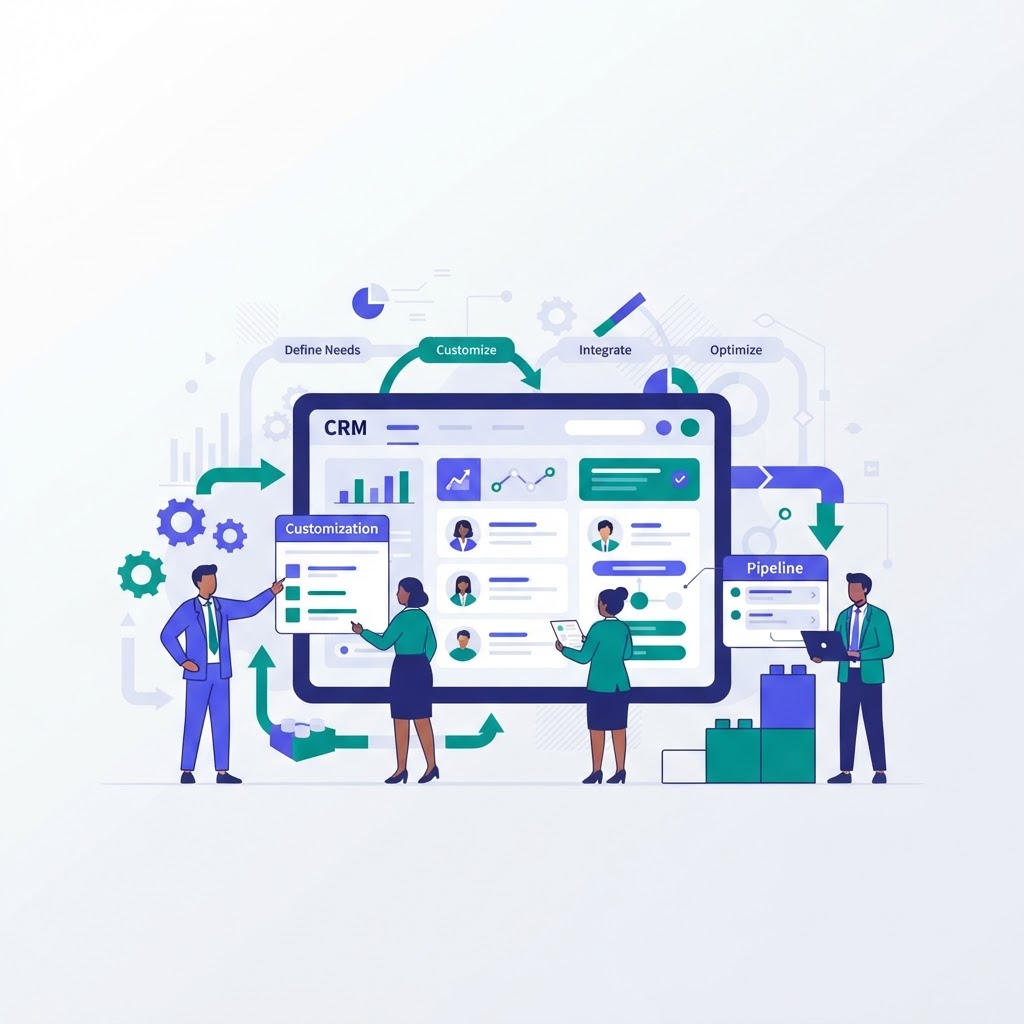
The foundation of a successful build is the discovery phase. This is where we stop guessing and start documenting your actual workflow. Instead of just identifying high-level goals, we dive into the granular details. We look at how your recruiters actually interact with candidates, which data points matter most for your specific vertical, and where bottlenecks currently exist. On average, this phase lasts two to three weeks and involves mapping your current manual processes into digital requirements. We identify which fields are essential, what automations will save hours of manual data entry, and which existing integrations are mandatory for your day-to-day operations.
Scoping the Perfect Workflow
Once discovery is complete, we move into the scoping phase to turn your needs into a functional blueprint. This is where we define the architecture of your custom platform. We determine the exact structure of your pipeline stages—not just generic 'applied' or 'interviewed' statuses, but the specific milestones that reflect how your agency generates revenue. During scoping, we define:
- Custom fields for candidate profiles, such as certification expiry dates or specific technical skill tags.
- Automated workflows that trigger based on status changes, such as automatic email sequences when a candidate is moved to 'Client Presentation'.
- Role-based access controls to ensure your junior recruiters, senior consultants, and managers see exactly what they need, and nothing more.
By the end of this phase, you will have a clear document detailing how every interaction will be handled within the system, ensuring there are no surprises during development.
The Build and Integration Phase
With a clear blueprint, the development team begins building your tailored environment. This is where RecruiterCRMFlow distinguishes itself from generic platforms. Rather than providing a rigid environment, we build your instance from the ground up, incorporating your custom branding, white-label requirements, and necessary integrations. We focus on connecting your new CRM to the tools your team already uses, such as email clients, LinkedIn, job boards, or accounting software. We aim for a build timeline of 6 to 8 weeks for a fully functional, customized environment. This ensures that when the system is ready, it is already primed to handle your agency's unique data flow without requiring weeks of re-training.
UAT and Refinement
Before you go live, the User Acceptance Testing (UAT) phase is critical. This is not about finding bugs; it is about ensuring the system behaves exactly as your team expects. We give your power users early access to test the workflows we mapped out during the scoping phase. If a specific automation feels off or a field is misplaced, this is the time to adjust it. We typically recommend a two-week UAT period to ensure the final product is intuitive, efficient, and ready to drive immediate productivity gains for your staff.
Onboarding and Ongoing Support
Technology is only as good as the adoption rate among your recruiters. Our onboarding process is designed to minimize resistance to change. We provide customized training materials that reference your specific terminology and workflows, rather than generic software manuals. We assist with data migration, ensuring your legacy records are cleaned and mapped correctly into your new system. By the time you flip the switch, your team will have been trained in a familiar environment, significantly shortening the learning curve. If you are ready to stop settling for platforms that don't fit, request a quote and consultation call to discuss how RecruiterCRMFlow can build a platform that fits your firm perfectly.
Conclusion
Moving to a tailored CRM is a significant investment, but it is one that pays dividends in recruiter productivity, data accuracy, and agency scalability. By following a structured process of discovery, scoping, building, and intentional onboarding, you ensure that your technology platform becomes your biggest competitive advantage rather than a daily obstacle. When your software finally matches your expertise, your agency can focus on what it does best: making placements.