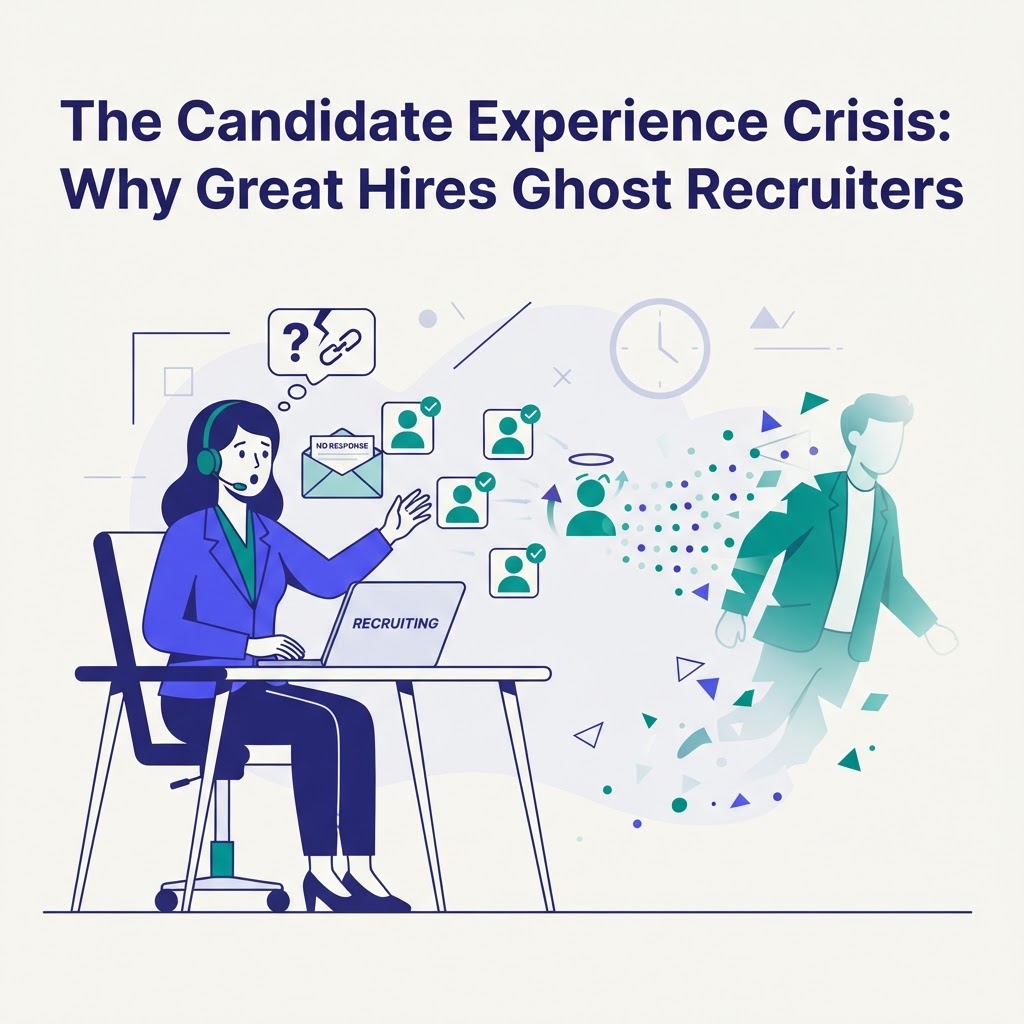
The modern recruitment landscape has shifted from a recruiter-driven market to a candidate-driven one. Recent industry reports suggest that nearly 30% of candidates ghost recruiters during the hiring cycle. This isn't just a nuisance; it is a structural failure in how organizations engage with talent. When top-tier professionals disappear without notice, it is rarely because they lost interest in the role; it is usually because the recruitment process felt transactional, slow, or impersonal.
The Psychology Behind the Ghosting Phenomenon
Ghosting is a defensive mechanism. Candidates often feel that if a recruiter isn't providing regular updates or clear feedback, they are not a priority. When a recruiter fails to acknowledge an application or goes silent after a preliminary interview, the candidate interprets this as a lack of professionalism. In a competitive market, talented individuals are juggling multiple offers simultaneously. If your communication cadence is inconsistent, they will prioritize the organization that makes them feel valued through transparency and speed.
Communication Gaps and the Cost of Silence
Silence is the most significant contributor to candidate attrition. A study by LinkedIn revealed that over 75% of candidates want to hear from a recruiter at least once a week during the interview process. When this expectation isn't met, frustration mounts. This is where many recruitment agencies fail—they rely on manual email tracking or disorganized spreadsheets that make it impossible to stay on top of communication workflows. Without a centralized hub, updates fall through the cracks, and candidates feel abandoned.
Leveraging RecruitingCRMFlow for Automated Engagement
RecruitingCRMFlow changes the dynamic by transforming candidate management from a reactive chore into a proactive engagement strategy. The platform allows recruiters to set automated check-in sequences, ensuring that no candidate is left wondering about their status. By utilizing RecruitingCRMFlow’s intuitive dashboard, you can trigger personalized follow-ups after each interview stage. This keeps your brand top-of-mind, maintaining high candidate morale even if the process takes longer than anticipated. You stop losing talent to silence because your engagement process is now automated and consistent.
Data-Driven Insights to Prevent Drop-Offs
Why do candidates drop off at specific stages of the funnel? Without data, you are only guessing. RecruitingCRMFlow provides deep analytics that highlight bottlenecks in your pipeline. If you notice a high drop-off rate after the technical assessment phase, it may indicate that your assessment is too lengthy or instructions are unclear. By analyzing these trends within your CRM, you can iterate on your hiring workflow, reducing friction and increasing the probability of closing top talent.
Building a Sustainable Talent Pipeline
Effective recruitment is not just about the current opening; it is about building a long-term relationship. Even if a candidate isn't the right fit today, they could be your best hire in six months. RecruitingCRMFlow helps you categorize and nurture these contacts over time. By segmenting your talent pool and sending personalized content—rather than generic mass emails—you foster a community of interested prospects who are more likely to respond when the right role appears. This turns your database into a dynamic asset rather than a static list.
Conclusion
Ending the candidate experience crisis requires moving away from fragmented, manual processes and embracing technology that prioritizes human connection. By centralizing communication through RecruitingCRMFlow, providing consistent feedback, and using data to refine your approach, you can significantly reduce ghosting. Remember, every touchpoint is a reflection of your company culture. Invest in your candidate experience, and you will find that the best talent stops disappearing and starts saying yes.