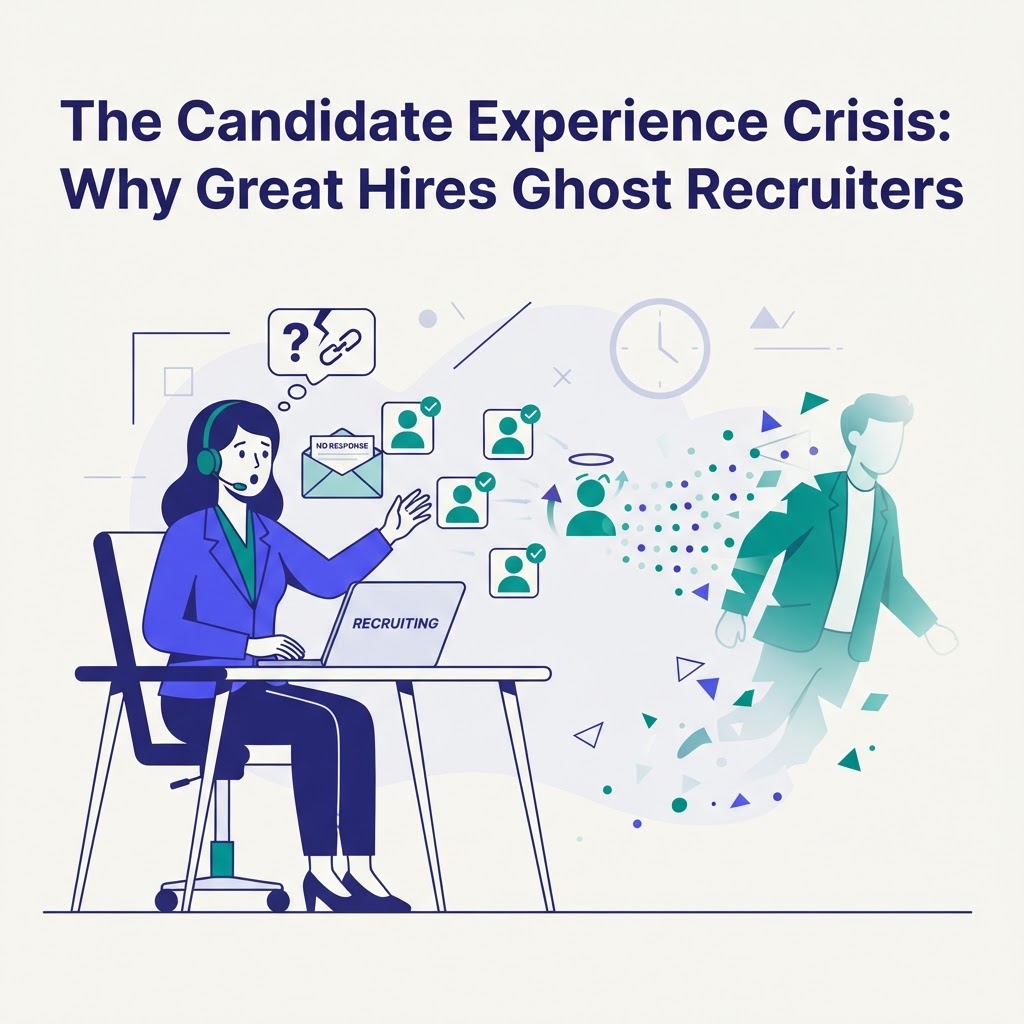
The landscape of recruitment in 2026 has shifted from simple transactional relationships to deep, data-driven partnerships. As a hiring manager, the quality of your talent pipeline now depends on how tightly your internal processes integrate with those of your agency partners. When communication silos break down, your company loses top-tier candidates to competitors who move with speed and precision.
Establishing a Foundation of Radical Transparency
The most successful partnerships in 2026 are built on shared access to information. In the past, hiring managers were often left in the dark, waiting for an agency to send a candidate profile without knowing how many people were contacted or where the bottleneck occurred. Today, waiting for email updates is obsolete. By utilizing a platform like RecruitingCRMFlow, your agency can provide a real-time window into their pipeline, allowing you to see exactly which candidates have been contacted, vetted, and submitted in a unified dashboard.
Setting Expectations for Data-Backed Recruitment
When you engage an agency, demand more than just resumes. Ask for data that proves they understand your market. A modern agency should be able to provide clear metrics regarding time-to-fill, candidate diversity ratios, and interview-to-offer conversion rates. Without these numbers, you are hiring based on intuition rather than strategy. When both parties operate within the same recruitment CRM, these KPIs are automatically calculated, removing the manual labor of report generation and allowing the recruiter to spend more time on high-value candidate engagement.
Why CRM Integration is Non-Negotiable
One of the biggest pain points in agency collaboration is the 'lost candidate' phenomenon. If your internal team and your agency are working from separate spreadsheets or disconnected systems, duplicate efforts are inevitable. If a recruiter reaches out to a candidate you have already disqualified, it damages your employer brand. By integrating your agency into your RecruitingCRMFlow environment, you ensure that every interaction is tracked. This prevents the nightmare of dual-contact and ensures that the candidate journey remains professional and cohesive from the first touchpoint to the final offer letter.
Streamlining the Feedback Loop
The speed of your feedback loop is often the primary factor in losing a star candidate. In 2026, the best talent is off the market within 72 hours of an interview. If it takes your team three days to provide feedback, that candidate has likely already accepted another role. Use your recruitment platform to standardize your feedback process. Instead of long email chains, encourage your hiring managers to input scores and comments directly into the candidate profile. This gives your agency immediate, actionable intelligence to refine their search or negotiate with the candidate effectively.
The Shift to Consultative Partnership
Ultimately, a recruitment agency should function as an extension of your own HR team. They should be able to advise you on salary benchmarking, market demand, and skill shortages. When your agency is empowered by a tool like RecruitingCRMFlow, they stop being 'resume pushers' and start being strategic advisors. They can identify trends in your hiring process, such as a high drop-off rate at the final interview stage, and suggest process adjustments that save you time and money. Focus on building long-term relationships rather than project-based transactions to ensure your partners are as invested in your company culture as you are.
Conclusion
Success in hiring this year requires a move away from fragmented communication and toward a shared, transparent ecosystem. By leveraging a CRM that connects your internal hiring team with your external agencies, you ensure that every contact is logged, every metric is visible, and no top-tier talent slips through the cracks. Invest in the right technology today, and your agency partners will deliver the high-caliber talent your organization needs to thrive in a competitive market.