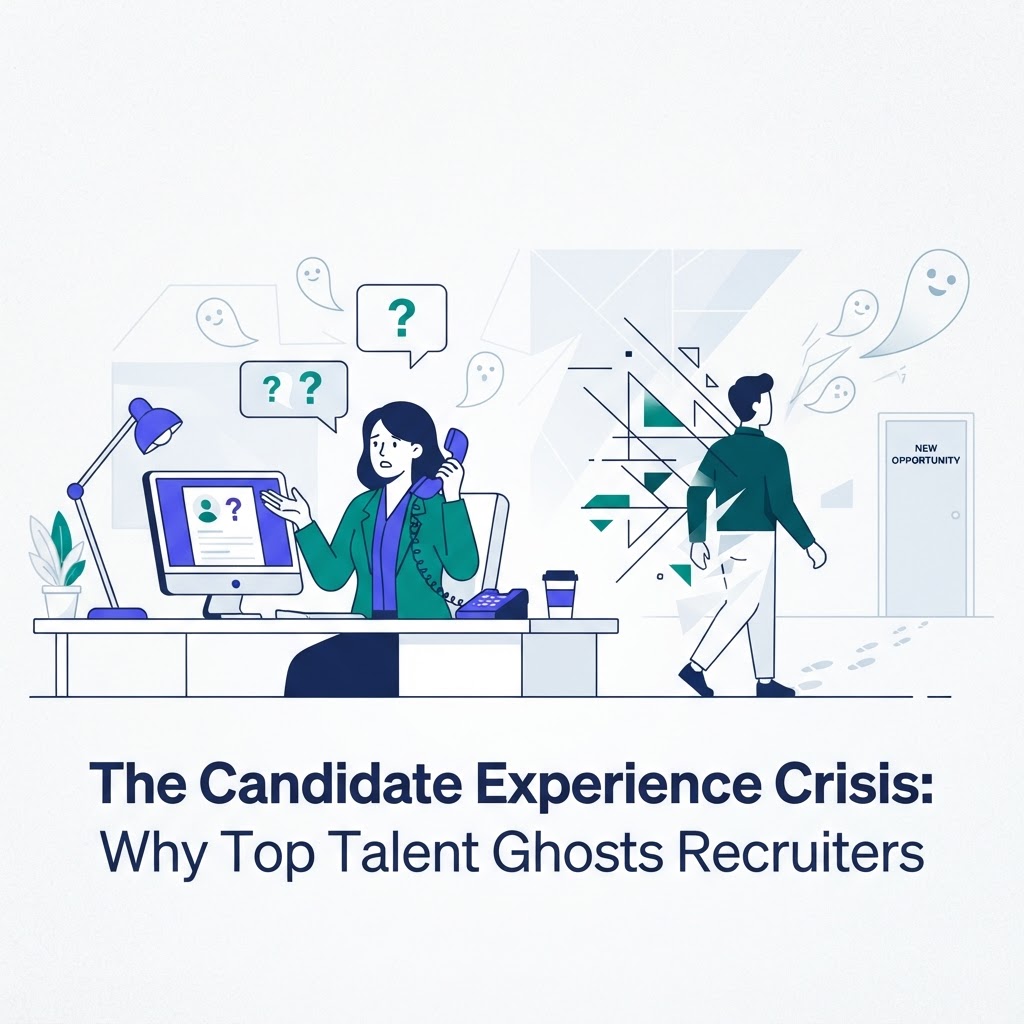
The modern recruitment landscape has shifted from a recruiter-driven market to a candidate-driven one. According to recent industry data, nearly 30% of candidates have ghosted a recruiter after the initial interview stage. This phenomenon is not just a nuisance; it is a critical business risk that drains productivity, inflates cost-per-hire, and damages your agency's reputation. When a qualified candidate disappears, it is rarely because they lost interest in the role—it is usually because they lost interest in the process.
The Anatomy of the Ghosting Crisis
Ghosting rarely happens in a vacuum. It is the direct result of a fragmented candidate experience. When a recruiter takes three days to respond to an email, or when a hiring manager provides vague feedback, the candidate perceives a lack of value. In a competitive job market, high-performing individuals often juggle multiple offers simultaneously. If your agency is slow to communicate, they will prioritize the company that makes them feel like a human being rather than a database entry. The psychological impact of being "left on read" forces candidates to assume they are no longer in consideration, prompting them to move on to more responsive opportunities.
Closing the Communication Gap
Communication gaps are the primary driver of talent drop-off. Many agencies rely on disparate tools—email, spreadsheets, and manual LinkedIn tracking—which inevitably leads to missed follow-ups. A candidate journey should be seamless and intentional. When you fail to provide a simple update, you break the momentum. By utilizing a centralized platform like RecruitingCRMFlow, you can automate personalized follow-ups and ensure that no candidate falls through the cracks. Consistency in communication is not just professional; it is a retention tool that keeps passive and active candidates engaged throughout the long-cycle hiring process.
The Cost of Manual Tracking
Human error is the silent killer of recruitment pipelines. When recruiters manually track interactions, they inevitably prioritize "hot" leads and neglect candidates in the "warm" or "nurturing" stages. This creates a leaky funnel where talent simply evaporates. Using a dedicated CRM allows your team to move away from reactive hiring and toward proactive engagement. Consider the impact of a lost candidate: you lose the time spent sourcing, the time spent interviewing, and the potential revenue associated with that placement. A CRM ensures that every touchpoint is recorded, every email is scheduled, and every candidate receives the attention they deserve.
Leveraging CRM Automation for Personalization
Personalization at scale is the secret weapon of top-performing agencies. It is impossible to send thoughtful, unique messages to 200 candidates manually, but automation tools within RecruitingCRMFlow make it feasible. You can trigger personalized check-ins based on the candidate's last activity, send timely updates about their status, or share relevant company news to keep them warm. By creating automated workflows that feel personal, you maintain a connection even when you aren't at your desk. The goal is to keep your agency top-of-mind so that when the candidate is ready to move, you are the first firm they contact.
Building a Candidate-First Culture
To end the ghosting crisis, your agency must shift its internal culture. This means training recruiters to view candidates as clients. Every interaction should provide value, whether it is industry insights, career advice, or simply an honest status update. When you respect a candidate's time, they reciprocate. Implementing a system where feedback is transparent and timely reduces the anxiety that causes candidates to disengage. When your team has the right technology to support this, they spend less time on administration and more time building genuine professional relationships.
Conclusion: Turning Engagement into Results
Fixing the ghosting crisis is not about working harder; it is about working smarter with the right infrastructure. By centralizing your candidate data and automating your communication cycles within RecruitingCRMFlow, you minimize the friction that drives top talent away. Prioritize the candidate experience, leverage automation to bridge communication gaps, and watch your placement rates climb. A well-managed pipeline is a profitable pipeline, and it all starts with respecting the candidate experience.