The landscape of talent acquisition has shifted dramatically by 2026, where the speed of hiring now outpaces the speed of traditional communication. As a hiring manager, your partnership with a recruitment agency is no longer just about filling seats; it is about building a scalable pipeline through shared intelligence. In this era, the most successful partnerships are those that operate with total transparency, moving away from black-box recruiting toward real-time collaboration platforms.
Establishing the Rules of Engagement
Successful partnerships start with a mutual understanding of technical requirements and cultural nuances. In 2026, the 'spray and pray' method of resume submission is obsolete. Instead, establish a Service Level Agreement (SLA) that defines response times and feedback quality. For every candidate submitted, expect a structured breakdown of why they fit, not just a CV attachment. A professional agency will prioritize depth over breadth, aiming for a 3:1 interview-to-hire ratio. If your agency is sending you ten resumes that don't hit the mark, the feedback loop is broken, and you need to reset the parameters immediately.
The Power of CRM Transparency
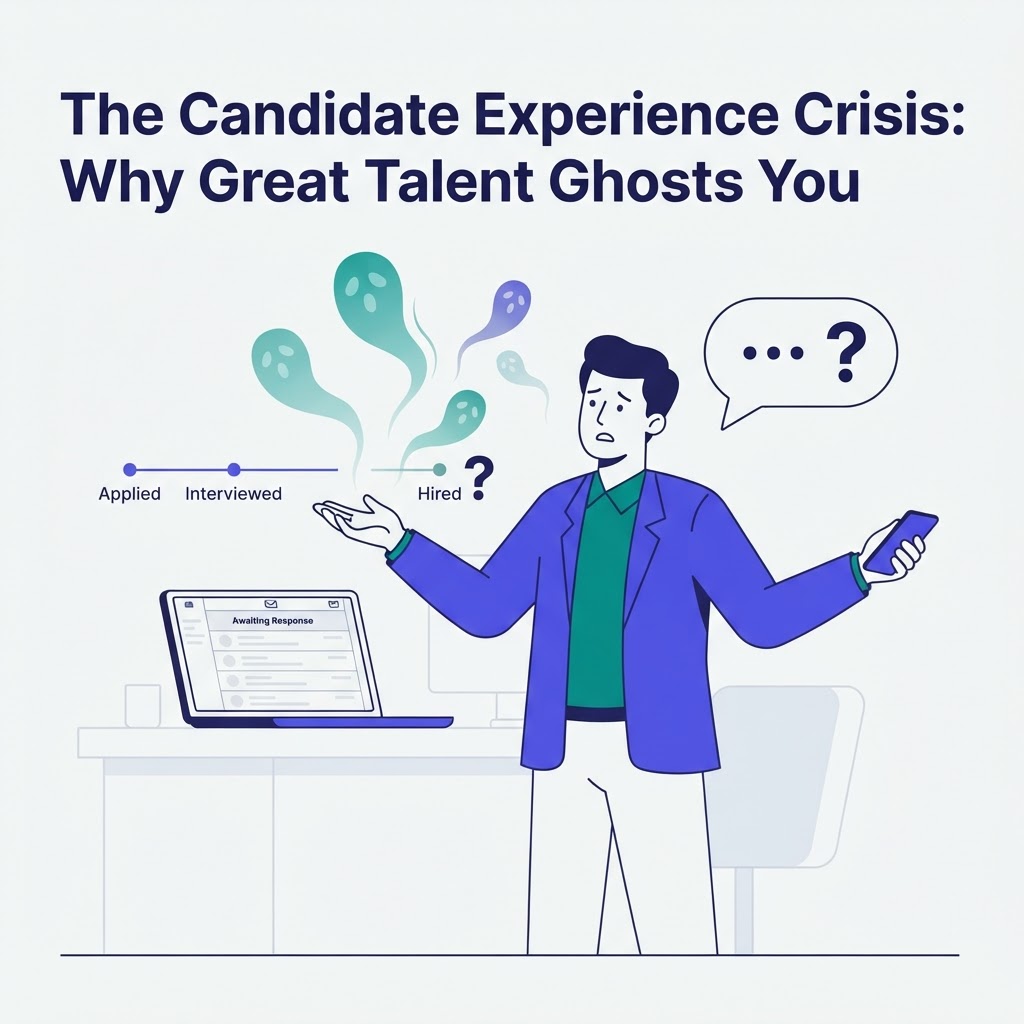
One of the biggest friction points between hiring managers and agencies is the 'black hole' of candidate status. When you work with an agency that utilizes RecruitingCRMFlow, you gain a level of transparency that eliminates the need for status-check emails. By having a shared view of the candidate journey—from the initial outreach to the final offer stage—you can see exactly where a candidate sits in the pipeline. This real-time visibility prevents duplicate submissions and ensures that both the internal hiring team and the agency recruiters are aligned on the current candidate sentiment.
Data-Driven Feedback Loops
In 2026, intuition is secondary to data. To get the best out of your recruitment partner, you must provide feedback that feeds back into their sourcing engine. When a candidate fails the interview stage, don't just say 'they weren't the right fit.' Provide specific, granular feedback on technical competencies or behavioral traits that were missing. When this data is recorded within a system like RecruitingCRMFlow, your agency partners can recalibrate their search filters instantly. This reduces 'time-to-shortlist' by an average of 40% when the agency can see exactly why previous candidates were rejected.
Avoiding the Talent Loss Trap
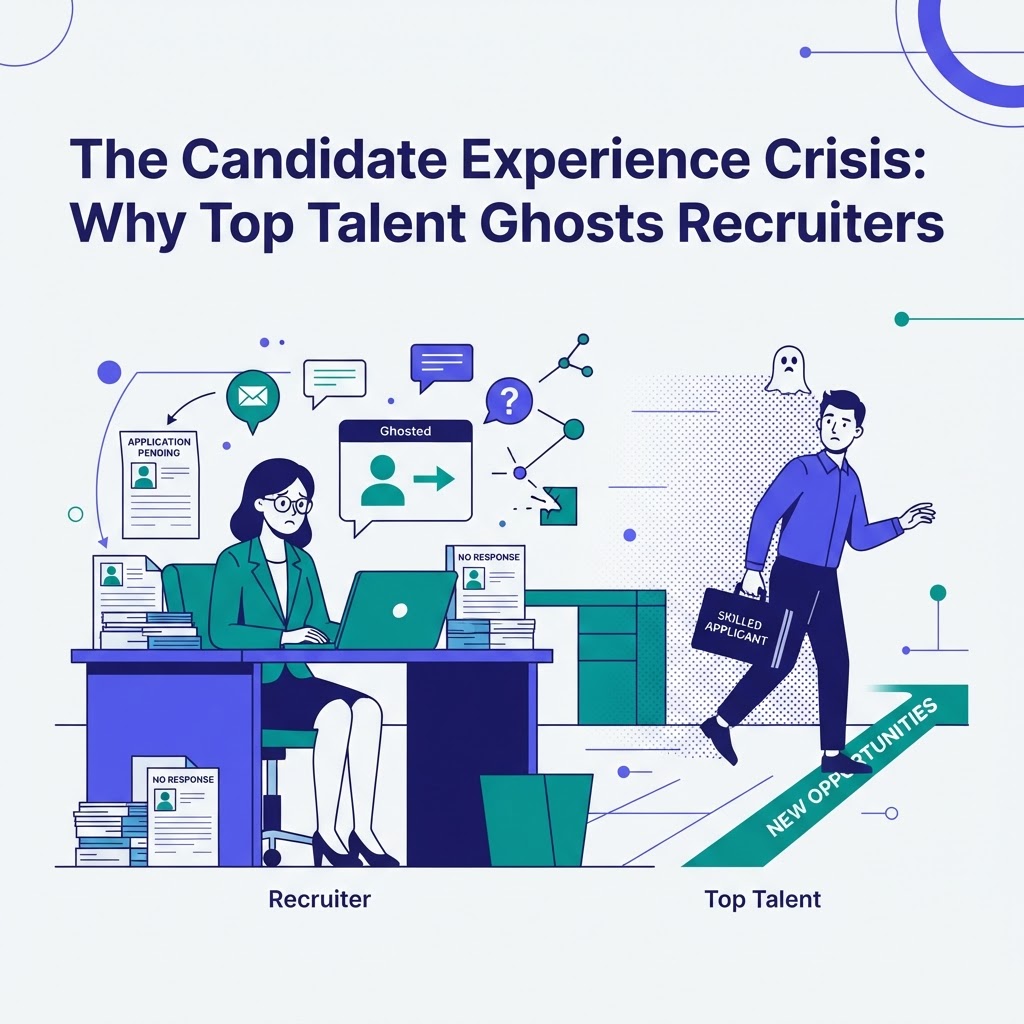
Many organizations lose top-tier talent because they don't have a centralized location to track engagement. Without a unified CRM, your agency might lose track of a candidate's history with your brand, or you might accidentally approach a candidate they have already disqualified. Using a platform like RecruitingCRMFlow allows both parties to see the entire history of interactions. This prevents the embarrassment of reaching out to a candidate who had a poor experience six months ago, and it ensures that high-potential candidates who were 'not ready' then are re-engaged at the perfect time.
Scaling Success Through Collaboration
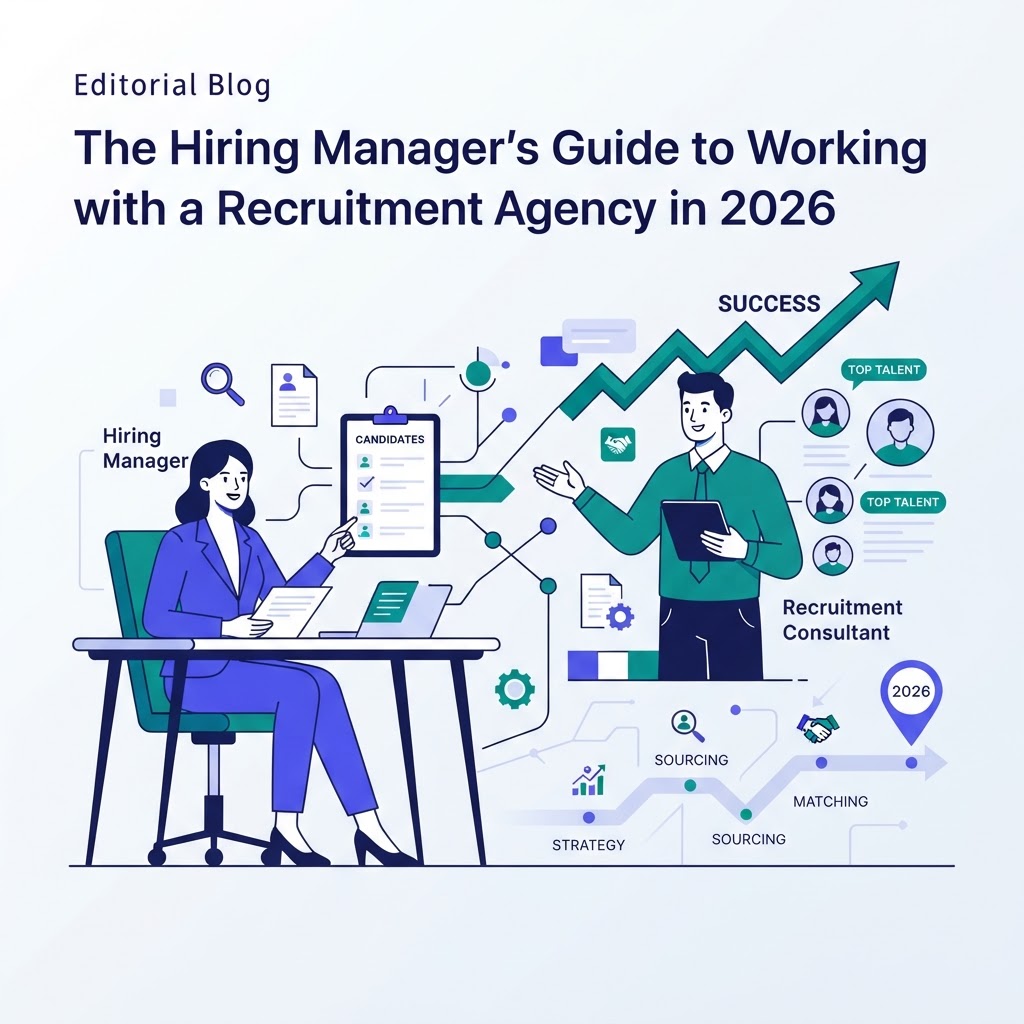
To maximize your ROI with a recruitment agency, treat them as an extension of your internal HR team. This means granting them the right level of access to your hiring workflow so they aren't working in a vacuum. Regularly scheduled syncs should be used to discuss high-level strategy rather than tactical status updates. Ask your agency for market intelligence: What are the salary benchmarks in your sector this quarter? What are the common 'deal-breakers' for top-tier candidates in your niche? A great partner will provide these insights, but only if they have the visibility provided by a modern recruitment CRM to back it up.
Conclusion: The Future is Integrated
In 2026, the line between 'internal' and 'agency' recruitment is blurring. The winning strategy for any hiring manager is to demand visibility, prioritize data accuracy, and utilize collaborative software like RecruitingCRMFlow to keep all parties on the same page. By eliminating the administrative noise and focusing on a shared, transparent view of the candidate pipeline, you will not only fill roles faster but also secure higher-quality talent that aligns with your long-term business goals.