The modern recruitment landscape has shifted power firmly into the hands of candidates. With specialized roles in high demand, talented professionals are often juggling three or more interview processes simultaneously. When your communication slows down or becomes impersonal, you aren't just losing a lead; you are losing a high-value asset to a competitor who simply prioritized a better candidate experience.
The Silent Exit: Why Ghosting is Rising
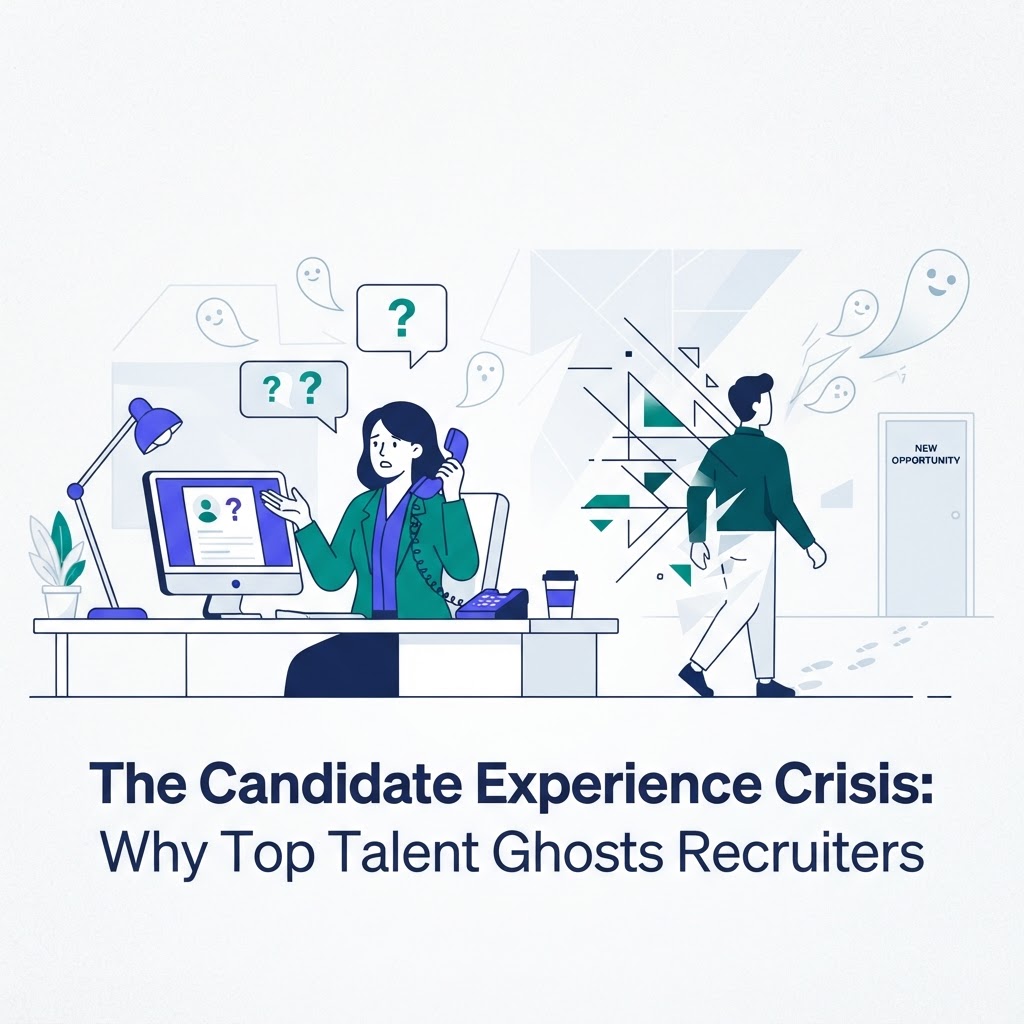
Recent industry data suggests that nearly 30% of candidates have ghosted a recruiter after an initial interview. This phenomenon is rarely about a lack of interest in the role; it is almost always a reaction to the process. When candidates experience long periods of silence, fragmented messaging, or robotic feedback, they assume the company culture is equally detached. In a market where speed is the primary currency, a two-week delay in scheduling a follow-up interview is an eternity. Candidates interpret this lack of urgency as a red flag, prompting them to withdraw and focus on more responsive employers.
The Cost of Communication Gaps
Communication gaps are the primary catalyst for candidate drop-off. When recruiting teams rely on disparate spreadsheets, sticky notes, or disorganized email threads, they inevitably drop the ball. A recruiter might forget to send a follow-up email after a screening call, or they might send conflicting information to a candidate. These small lapses compound, leading to a breakdown in trust. Once trust is eroded, the candidate begins to distance themselves, eventually cutting off communication entirely. This inefficiency is not just a nuisance; it is a financial drain, costing companies thousands in lost productivity and extended time-to-fill metrics.
Transforming Engagement with RecruitingCRMFlow
To solve the ghosting crisis, you must centralize your candidate interactions. RecruitingCRMFlow serves as the single source of truth for your talent pipeline, ensuring that no lead is ever left in the dark. By automating routine touchpoints—such as interview confirmations, follow-up reminders, and status updates—you maintain consistent engagement without manual overhead. Our platform allows recruiters to view the entire history of a candidate's journey at a glance, ensuring that every interaction is informed and personalized. When you use RecruitingCRMFlow, you aren't just managing data; you are nurturing relationships.
Building a Candidate-First Workflow
Improving the candidate experience requires a tactical shift toward proactive communication. Start by implementing these three strategies to reduce ghosting:
-
Set clear expectations early regarding the interview timeline and decision-making process.
-
Provide constructive, timely feedback after every stage, even if the candidate is not moving forward.
-
Utilize personalized email templates to maintain a human touch while scaling your outreach efforts.
By leveraging the built-in tracking features of RecruitingCRMFlow, you can identify exactly where candidates are stalling in the funnel. If data shows a high dropout rate after technical assessments, you know precisely where to intervene with a personalized check-in or a resource-sharing campaign.
Data-Driven Hiring for Competitive Advantage
In a candidate-driven market, your hiring metrics are your best diagnostic tool. By tracking response times, candidate satisfaction scores, and funnel progression rates within a CRM, you can identify bottlenecks before they lead to lost talent. High-performing agencies use RecruitingCRMFlow to generate real-time reports that highlight where recruiters are struggling to maintain engagement. This allows team leads to provide training, adjust outreach strategies, and ensure that every candidate feels valued throughout the entire lifecycle. Data doesn't just track your mistakes; it provides the roadmap to a more human, efficient, and successful hiring process.
Conclusion: Prioritize the Relationship
Fixing the ghosting crisis is not about chasing candidates; it is about respecting their time through better systems and consistent communication. When you treat candidates like clients rather than commodities, you earn their loyalty and improve your offer acceptance rates. By implementing a robust CRM like RecruitingCRMFlow, you can eliminate the administrative chaos that causes candidates to disengage. It is time to replace silence with meaningful dialogue and transform your recruitment process into a competitive advantage.