In the world of recruitment, we often focus on the excitement of the next big placement. However, the most damaging event for any agency is the 'bad hire'—a candidate who looked perfect on paper but fails to perform or leaves within the first few months. This failure isn't just a frustration; it is a direct hit to your agency's profitability and reputation. When a candidate doesn't work out, you lose the fee, face a refund request, and damage your credibility with the client.
The Real Financial Impact of a Bad Hire
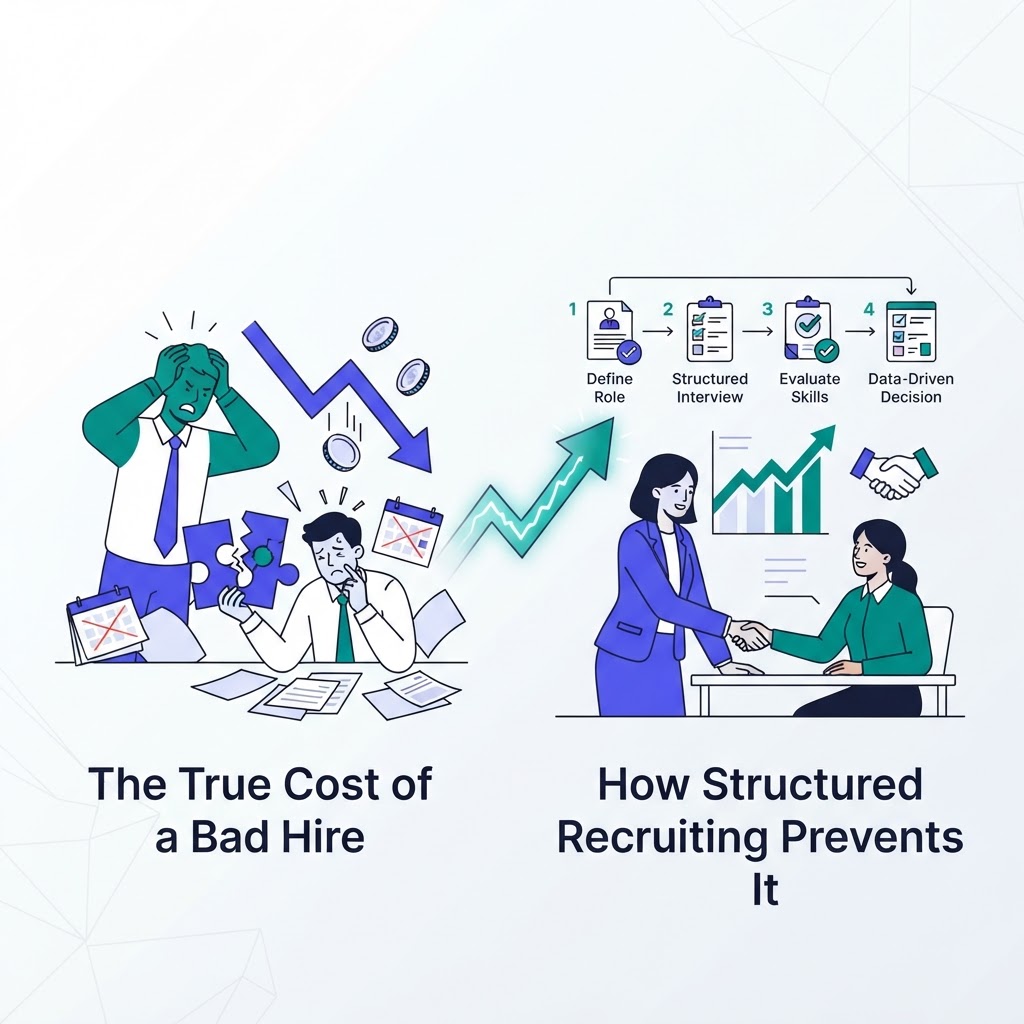
Most recruiters underestimate the financial bleeding caused by a bad hire. The costs extend far beyond the lost commission. According to industry data, the total cost of a bad hire can range from three to five times the employee's salary. When you place a candidate who fails, the cascade of costs is immediate and severe:
- Lost placement fees due to guarantee period refunds.
- The massive cost of re-advertising, sourcing, and screening to replace the candidate.
- The opportunity cost of account managers spending time mediating client complaints instead of sourcing new roles.
- Damage to your brand reputation, which often leads to clients churning or cutting their spend.
If you place a candidate for a $100,000 role with a 20% fee, you stand to lose $20,000 upfront. When you account for the lost labor hours spent by your team and the potential loss of a long-term client contract, that single bad hire can easily spiral into a $50,000 net loss for your agency.
Why Intuition Fails Without Process
Many recruiters rely on 'gut feeling' to drive hiring decisions. While intuition is a valuable tool, it is not a scalable process. When you lack a structured framework, your hiring decisions become subject to cognitive biases, such as affinity bias or the halo effect, where you favor candidates who sound like you or have a familiar background, regardless of their actual competence. Without a standardized way to evaluate candidates, you are essentially gambling with your client’s success.
Structured hiring flips this dynamic. By implementing a consistent set of assessments, technical screens, and standardized interview scorecards, you move away from subjective impressions. When every candidate is evaluated against the same criteria, you reduce the noise and isolate the signal of true performance capability.
How RecruiterCRMFlow Acts as Your Guardrail
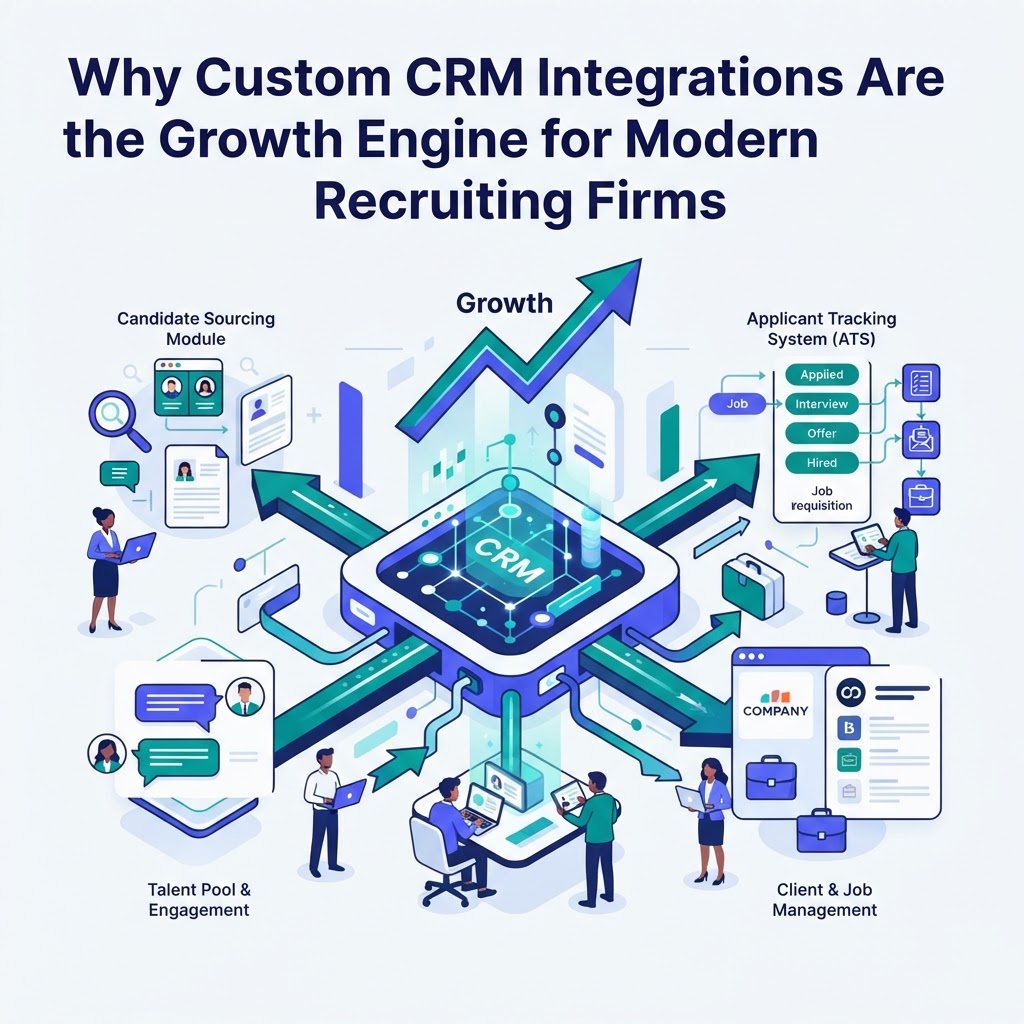
One of the primary reasons recruiters fall into bad hiring traps is fragmented data. If you have candidate notes scattered across emails, spreadsheets, and sticky notes, you lose the narrative of the candidate’s history. RecruiterCRMFlow serves as the central nervous system of your recruiting firm, ensuring that nothing falls through the cracks.
With RecruiterCRMFlow, you can mandate that specific stages of the interview process are completed before a candidate can be moved to the 'submitted' stage. This acts as a digital guardrail. For instance, you can require the completion of a standardized technical assessment or a reference check verification before the CRM allows the recruiter to trigger the client submission workflow. This forces discipline into the process, ensuring that no candidate is put in front of a client without meeting every single qualification threshold you have defined.
Automating Quality Control
Consistency is the enemy of the bad hire. By leveraging the automated workflows within RecruiterCRMFlow, your agency can ensure that the screening process is identical for every candidate. Automation allows you to set up triggers that remind recruiters to perform necessary background checks, reach out to specific references, or double-check employment history.
This isn't just about administrative speed; it's about accuracy. When the CRM handles the administrative load of reminders and documentation, your recruiters are free to focus on the human element: interpreting the data and building relationships. By removing the manual error associated with tracking candidate progression, you significantly lower the risk of placing a candidate who lacks the proper credentials.
Closing the Loop on Client Satisfaction
Ultimately, structured hiring is about trust. Clients return to agencies that consistently deliver high-quality, long-term placements. When you demonstrate that your agency uses a robust, CRM-backed structured hiring process, you differentiate yourself from the 'resume sprayers.' You aren't just sending CVs; you are delivering verified, assessed talent that has passed through a proven quality control pipeline.
Use RecruiterCRMFlow to track post-placement follow-ups automatically. By keeping tabs on candidate performance during their first 30, 60, and 90 days, you can proactively identify potential issues before they escalate into a refund request. This level of account management is only possible when your team has a single, unified source of truth to track the entire candidate journey from first touch to onboarding success.
In conclusion, the cost of a bad hire is too high to ignore. By shifting your agency’s culture toward structured, data-backed recruiting and utilizing the powerful guardrails built into platforms like RecruiterCRMFlow, you protect your revenue and solidify your reputation as a high-performing talent partner. Stop relying on luck and start relying on a system built for consistency.