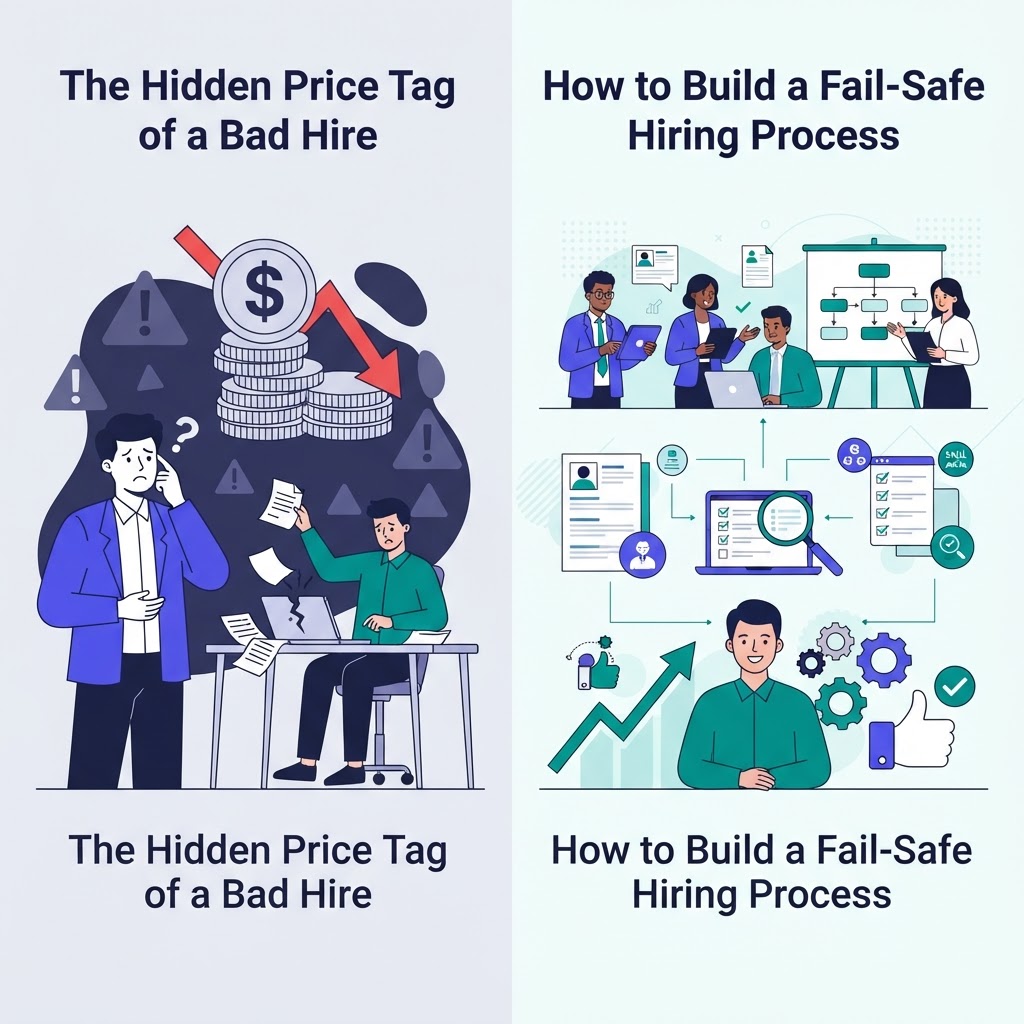
The true cost of a bad hire often remains hidden until the damage is already done. While many recruiters fixate on the immediate salary expense, the actual financial impact is significantly higher. Studies consistently show that a bad hire can cost a company between one and five times the individual’s annual salary. When you factor in recruitment fees, onboarding time, lost productivity, and the potential negative impact on team morale, the investment in a failed search becomes a massive drain on operational efficiency.
The True Financial and Cultural Toll
Beyond the obvious salary expenditure, the costs of a bad hire cascade through an organization. Consider the time invested by hiring managers in interviewing, training, and eventually performance managing a candidate who is not the right fit. When an employee leaves within their first year, the ripple effect is felt across the entire department. Team members who had to pick up the slack often experience burnout, leading to a decline in their own performance or even secondary turnover. This is where the lack of an organized system becomes a liability.
Why Intuition Fails Without Guardrails
Many hiring teams still rely on 'gut feelings' or unstructured interviews that vary wildly from candidate to candidate. This approach leaves the door wide open for unconscious bias and superficial assessments. Without a standardized framework, you are not measuring candidates against the actual needs of the role, but rather against a nebulous idea of who seems like a good fit. This lack of objectivity is the single greatest precursor to a bad hire. To eliminate this, organizations must shift toward structured hiring models that require evidence-based scoring for every applicant.
Leveraging CRM Guardrails to Standardize Success
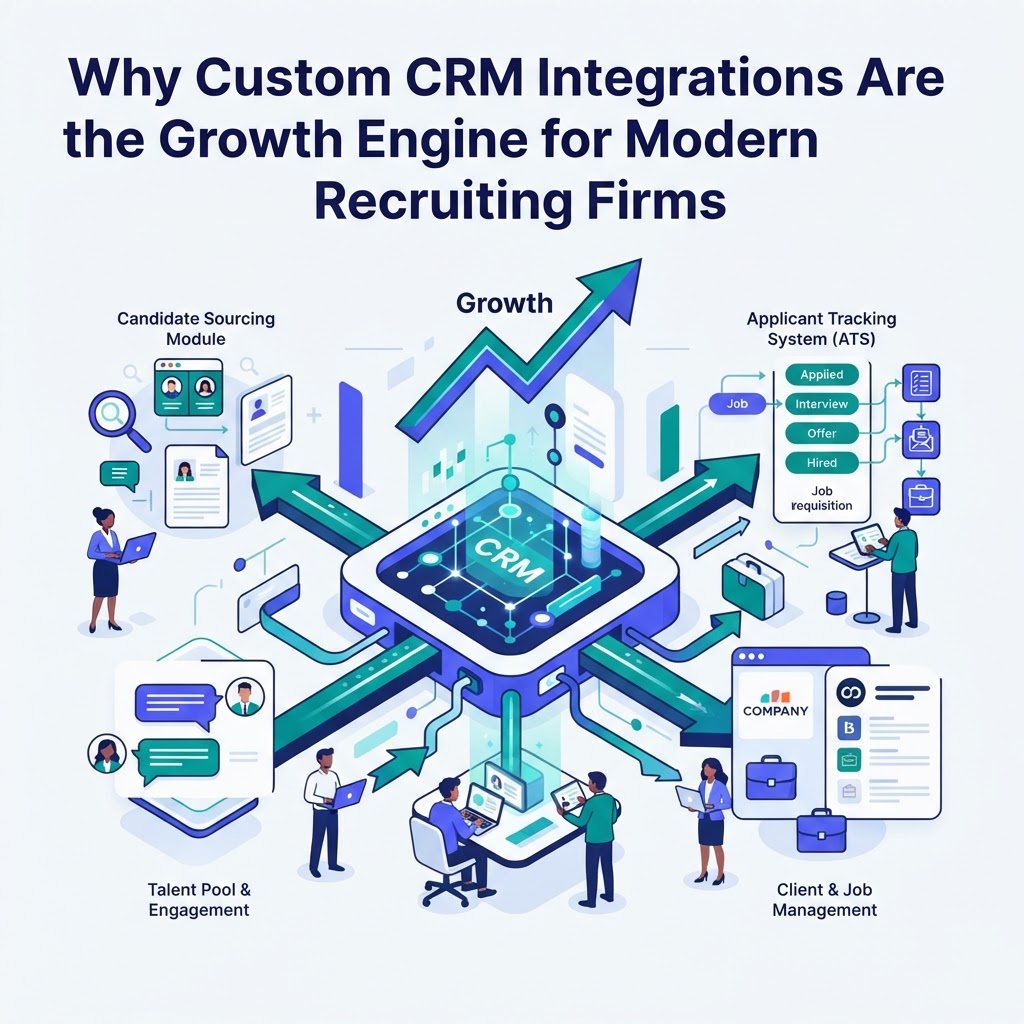
This is where RecruiterCRMFlow becomes a critical asset for talent acquisition. A robust recruitment CRM is not just a storage facility for resumes; it is a structural guardrail that enforces your hiring process. By utilizing RecruiterCRMFlow, you ensure that every stakeholder uses the same scorecard criteria for every interview. You can mandate the submission of feedback before moving a candidate to the next stage, effectively removing the possibility of skipping steps or making emotional decisions that deviate from your established performance indicators.
Protecting Your Talent Pipeline
One of the most overlooked costs of a bad hire is the loss of better candidates who were rejected while the wrong person was being pursued. If your process is slow or uncoordinated, top-tier talent will inevitably drop out. With RecruiterCRMFlow, you maintain visibility over your entire pipeline. You can quickly re-engage silver-medalists—high-quality candidates you interviewed previously but didn't hire—ensuring you aren't starting from scratch when a role remains vacant. Protecting your data and your relationships is the best insurance against future hiring mistakes.
Building a Repeatable Framework
To prevent future misses, you must turn your hiring process into a repeatable, data-driven machine. Here are the core pillars of an effective structure:
-
Define clear competency-based requirements before posting a role.
-
Use standardized interview scorecards to remove subjective bias.
-
Centralize communication and candidate documentation in RecruiterCRMFlow so no feedback is lost in email chains.
-
Audit your hiring stages to identify where you are losing momentum.
-
Implement a consistent feedback loop where recruiters and hiring managers review past decisions.
By ensuring that every hire is processed through these rigorous steps, you move away from guesswork and toward predictable performance. A bad hire is often the symptom of a broken process, not a broken person. By implementing guardrails and leveraging the right CRM tools, you can minimize risk, save thousands in lost productivity, and build a high-performing team that delivers consistent results.