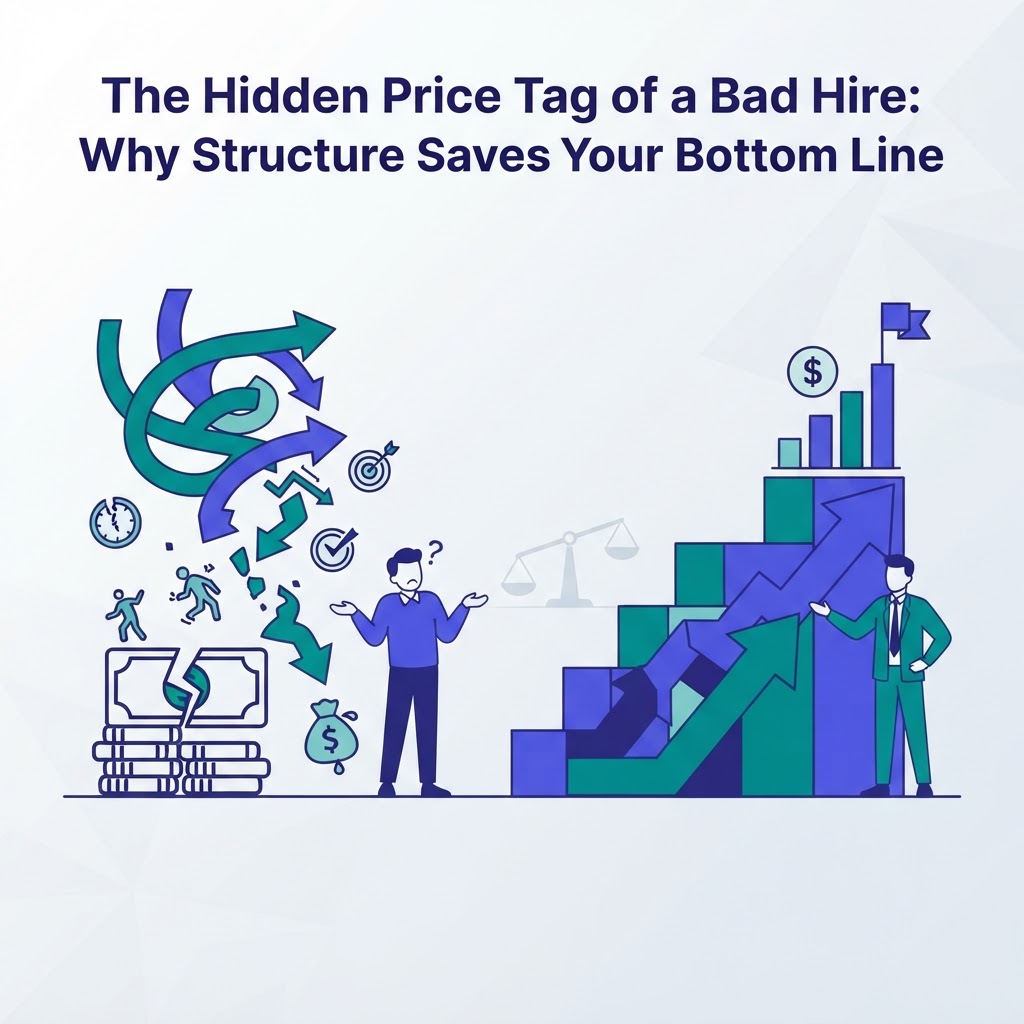
The true cost of a bad hire often remains hidden in the shadows of a company's financial reports. While leadership might view a hiring mistake as a simple lost salary, the reality is significantly more destructive. Studies from the Department of Labor and various HR research groups consistently suggest that a bad hire can cost an organization anywhere from 30% to 150% of the individual's annual salary. When you account for recruitment fees, onboarding time, lost productivity, and the impact on team morale, the price of a single wrong choice can easily exceed six figures in senior roles.
The True Financial Anatomy of a Bad Hire
When a candidate fails to thrive, the financial hemorrhaging begins long before they actually leave the company. First, there is the direct cost of acquisition, including job board advertising, internal recruiter time, and potential agency fees. Then, the real damage begins during the onboarding phase, where time is diverted away from top performers to manage, train, and attempt to course-correct the underperforming hire.
Furthermore, the "hidden" costs are often the most severe. These include the erosion of team morale, as high-performing employees are forced to pick up the slack or rectify errors. The loss of intellectual capital and the time spent re-advertising and re-interviewing can put critical projects weeks behind schedule. Without a centralized way to track these metrics, companies often repeat these same mistakes cycle after cycle.
Why Unstructured Hiring Leads to Failure
Many recruitment agencies and internal teams still rely on "gut feeling" hiring. This intuitive approach is notoriously prone to unconscious bias and inconsistency. When interviews are conversational rather than competency-based, hiring managers fail to compare candidates against a standardized set of requirements. This lack of structure means that interviewers often focus on personality matches rather than functional performance.
When a hiring process is chaotic, communication falls through the cracks. If your team does not have a unified system to record feedback, you end up with fragmented insights that lead to poor final decisions. This is where RecruiterCRMFlow becomes a necessity. By providing a structured environment where every interaction is logged, you ensure that your team stays focused on the metrics that actually correlate with future success.
Leveraging CRM Guardrails to Stop Mistakes
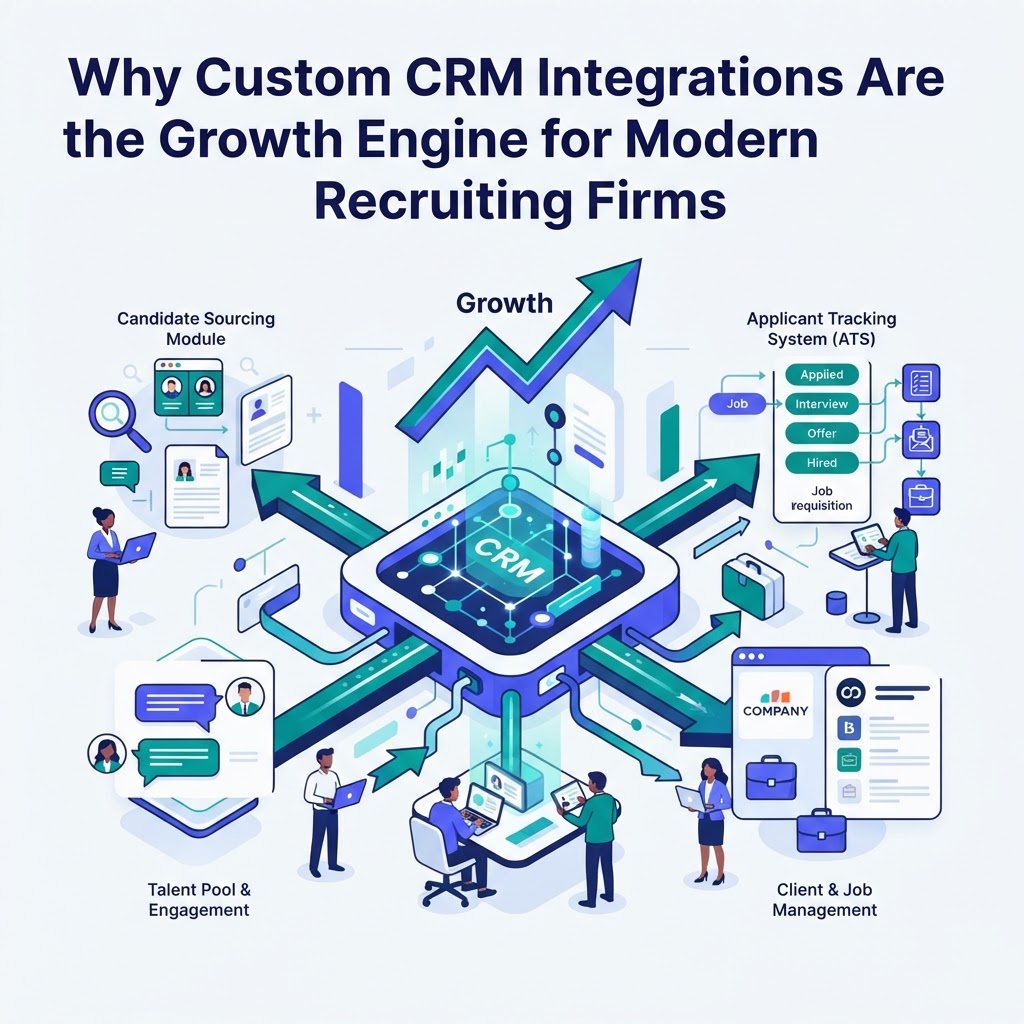
Modern recruiting is a game of data, not just intuition. RecruiterCRMFlow acts as a set of guardrails for your recruitment workflow, preventing the common pitfalls that lead to bad hires. By utilizing an integrated ATS and CRM, you can enforce specific interview scorecards that every candidate must pass, ensuring that no one is moved to the final stage without measurable data points.
These guardrails also prevent talent leakage. Often, a "bad hire" is actually a "good candidate" who was put in the wrong role due to a lack of visibility into their historical data. RecruiterCRMFlow allows you to map out a candidate's journey from their first touchpoint to their final placement. By maintaining a single source of truth, you avoid the administrative errors and communication gaps that force teams to rush decisions and settle for sub-par talent.
Building a Repeatable, Data-Driven Process
To prevent bad hires, you must move toward a standardized, repeatable process. This means defining the "Success Profile" of a role before you even open the requisition. What technical skills are non-negotiable? What behavioral traits have succeeded in this specific team previously?
- Establish a mandatory scorecard system for all interviewers.
- Use automated scheduling to ensure consistent timing and cadence.
- Track source quality to identify which channels provide the most reliable long-term employees.
- Centralize all candidate correspondence within RecruiterCRMFlow to avoid missed signals.
When your team uses a platform that enforces these steps, you turn recruitment from an art form into a science. You gain the ability to analyze why a candidate succeeded or failed, creating a feedback loop that improves your hiring quality over time.
Turning Recruitment into a Competitive Advantage
Ultimately, a bad hire is a failure of process, not just a failure of character. By implementing a structured hiring framework supported by the right technology, you minimize the risks that threaten your business goals. Investing in the right tools, such as RecruiterCRMFlow, allows your team to move away from reactive, error-prone hiring and toward a proactive, strategic talent acquisition model.
When your CRM is the engine driving your hiring strategy, you save time, reduce the cost of vacancy, and significantly improve the long-term retention of your new hires. The result is a more resilient organization built on data-backed hiring decisions that pay dividends for years to come.