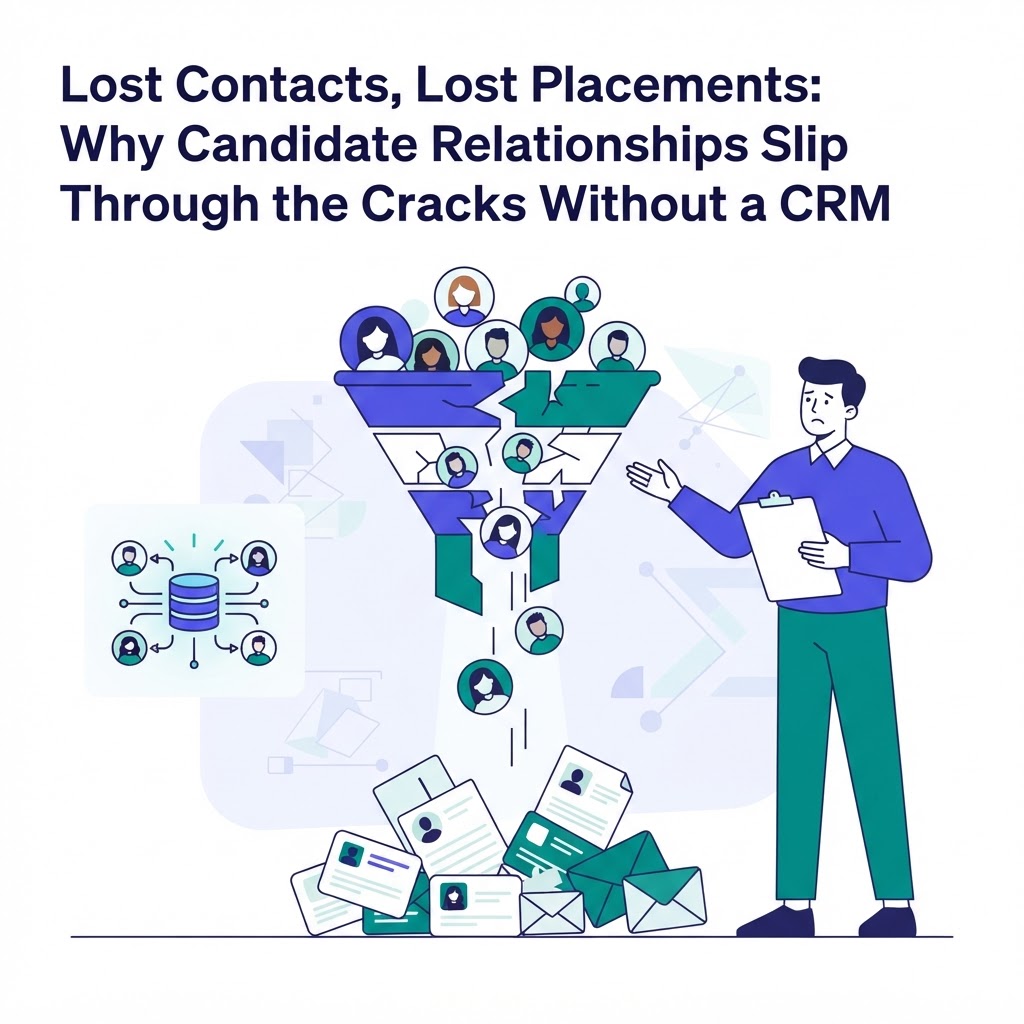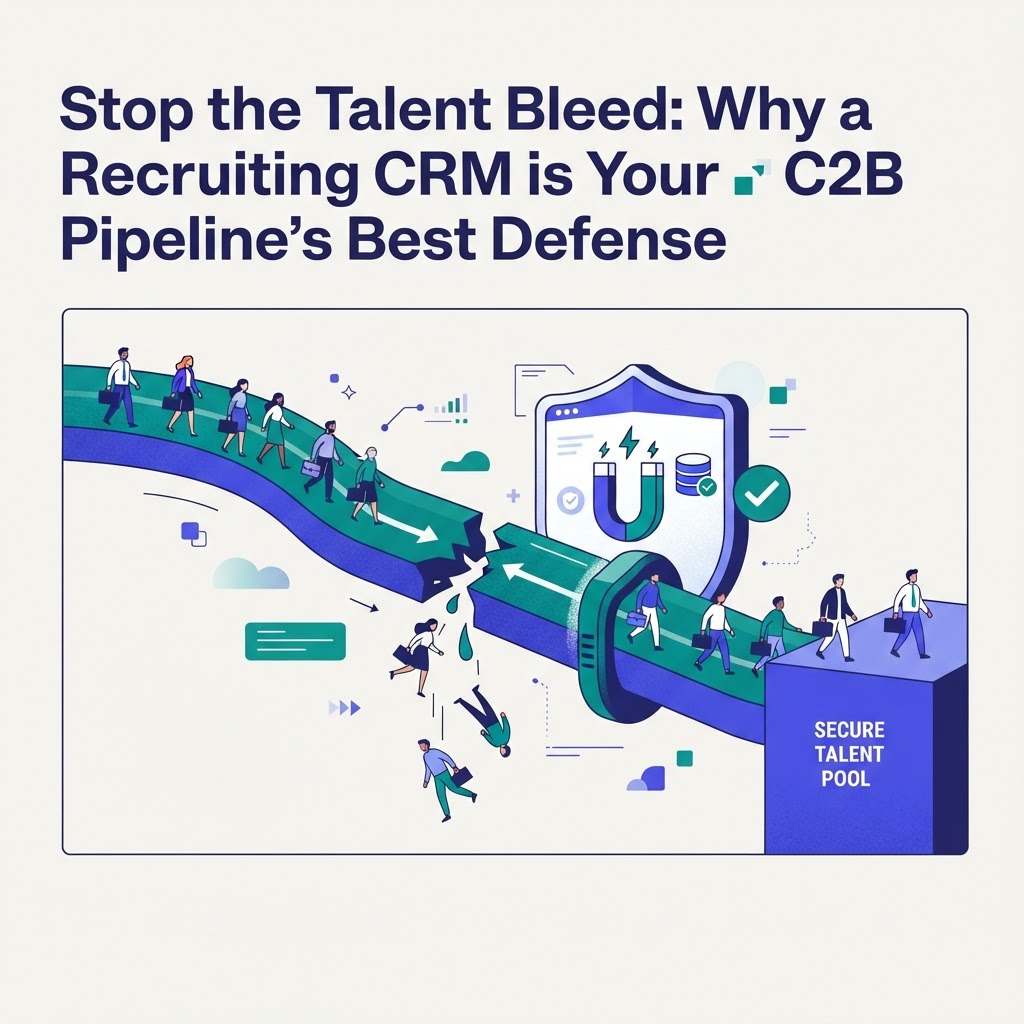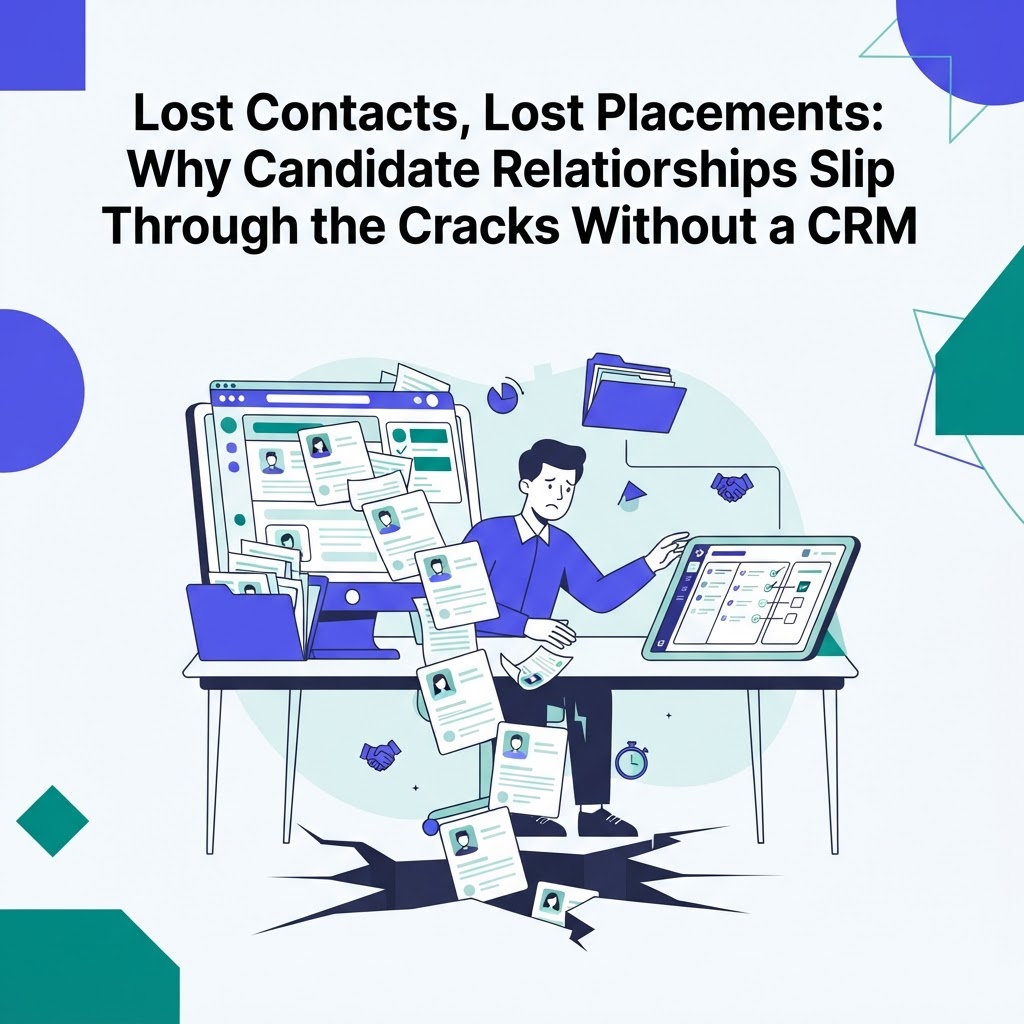
In the high-stakes world of recruitment, your database is your most valuable asset. Yet, for many agencies, this asset is leaking value every single day. When recruiters rely on spreadsheets, scattered email threads, or disconnected legacy systems, candidate relationships inevitably slip through the cracks. This isn't just a minor administrative annoyance; it is a direct contributor to lost revenue and damaged reputation. When you fail to maintain a consistent touchpoint history, you aren't just losing data; you are losing placements to competitors who treat every candidate as a long-term relationship.
The Silent Cost of Fragmented Communication
Think about the last time you had to cold-call a candidate who was already in your system. Did you know their history? Did you remember that they were interviewed by a colleague six months ago for a similar role? Without a centralized CRM, these details are often lost in the noise of a busy workday. Research suggests that recruiters lose up to 20% of their potential pipeline simply because they fail to follow up effectively after an initial outreach. When a candidate reaches out to ask for an update and you have to scramble to find their resume in an overflowing inbox, you lose credibility instantly. A recruiting CRM like RecruitingCRMFlow ensures that every interaction, note, and document is centralized, providing a complete 360-degree view of the candidate journey.
Why Spreadsheets Are Recruiting Black Holes
Many agencies start with spreadsheets to manage candidates because they are accessible and free. However, as your database grows, spreadsheets become a liability rather than a tool. They are static, prone to manual entry errors, and lack the ability to automate nurturing sequences. A spreadsheet cannot alert you that it has been 90 days since you last checked in with a high-potential developer. It cannot sync your calendar or automatically log an email conversation. By contrast, RecruitingCRMFlow functions as your relationship backbone. It transforms stagnant rows of data into an active, breathing pipeline that tracks engagement levels so you know exactly who to contact and when.
Preventing the 'Ghosting' Phenomenon
Candidate ghosting is a major pain point in modern hiring, but often, the recruiter is the one who ghosts first. When you lack a system to schedule reminders or automated check-ins, candidates feel devalued. If a candidate experiences a month of silence after an interview, they lose interest, withdraw from your process, or accept an offer elsewhere. This is entirely preventable with an automated CRM workflow. You can trigger personalized follow-up sequences that keep your agency top-of-mind, even when you aren't actively placing them in a role. Consistent communication isn't just about politeness; it is about building a warm pool of talent that is ready to deploy when a new requisition hits your desk.
Turning Historical Data Into Future Revenue
Every interaction you have with a candidate is a data point that could lead to a future placement. Think about the 'silver medalists'—candidates who were nearly perfect for a past role but didn't quite make the cut. Without a robust CRM, these candidates are often forgotten. With a platform like RecruitingCRMFlow, you can easily tag, segment, and remarket to these individuals when a matching role appears. Being able to pull a list of the top ten candidates for a specific skill set in under 60 seconds is a massive competitive advantage. You stop chasing ghosts and start mining your existing database for immediate wins.
Strategic Benefits of a Centralized ATS
Moving away from manual tracking toward a dedicated recruiting CRM offers several tangible operational advantages:
- Automated activity logging ensures no communication is ever lost, regardless of staff turnover.
- Centralized candidate profiles provide a single source of truth for the entire agency team.
- Real-time pipeline analytics help you identify which stages of your hiring process are causing bottlenecks.
- Integration with job boards and email platforms saves recruiters hours of manual data entry per week.
By leveraging these features, your team spends less time searching for information and more time doing what they do best: building meaningful connections.
Conclusion: Investing in Your Relationships
Your agency's success depends on the strength of your network. If your processes are broken, your relationships will stagnate. Investing in a tool like RecruitingCRMFlow is not just an IT upgrade; it is a strategic commitment to protecting your most valuable resource—your candidates. Stop letting potential placements slip through the cracks and start building a resilient, data-driven recruitment machine that thrives on clarity and consistency.