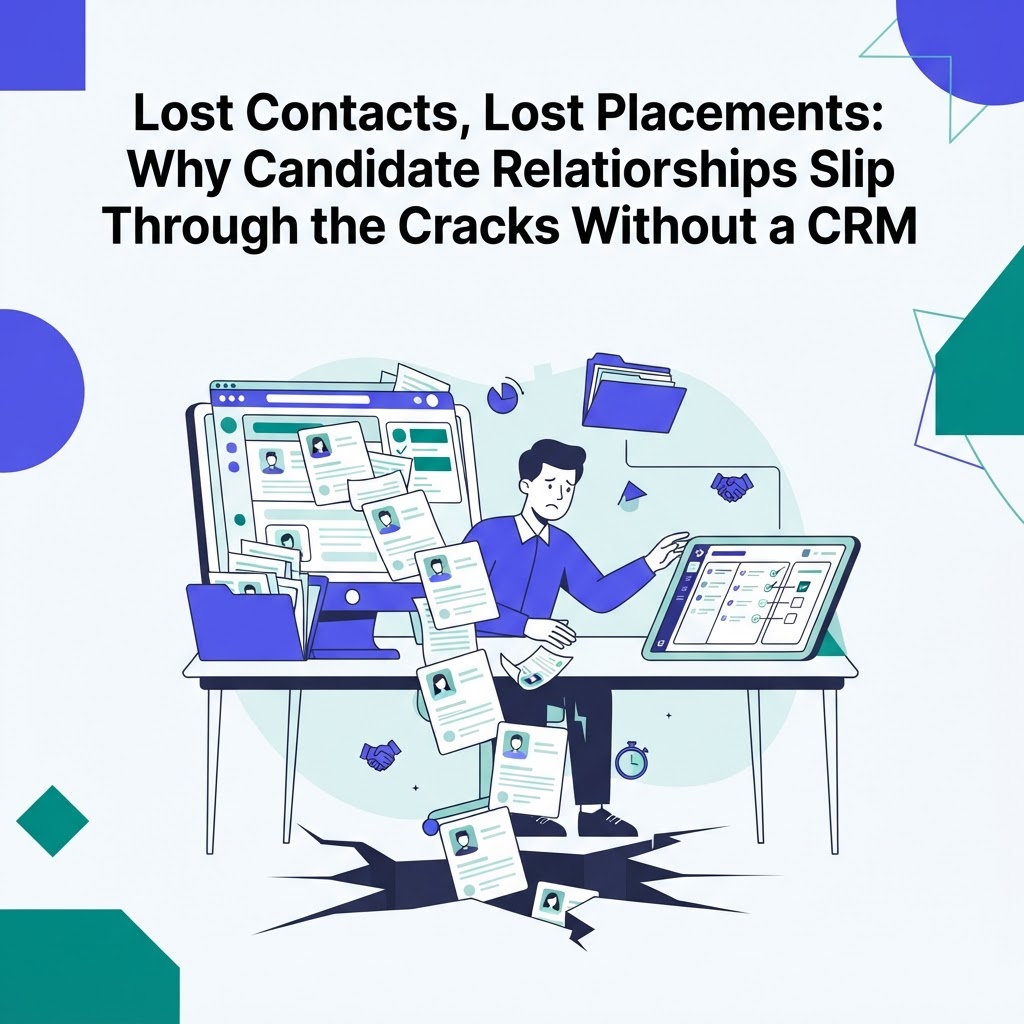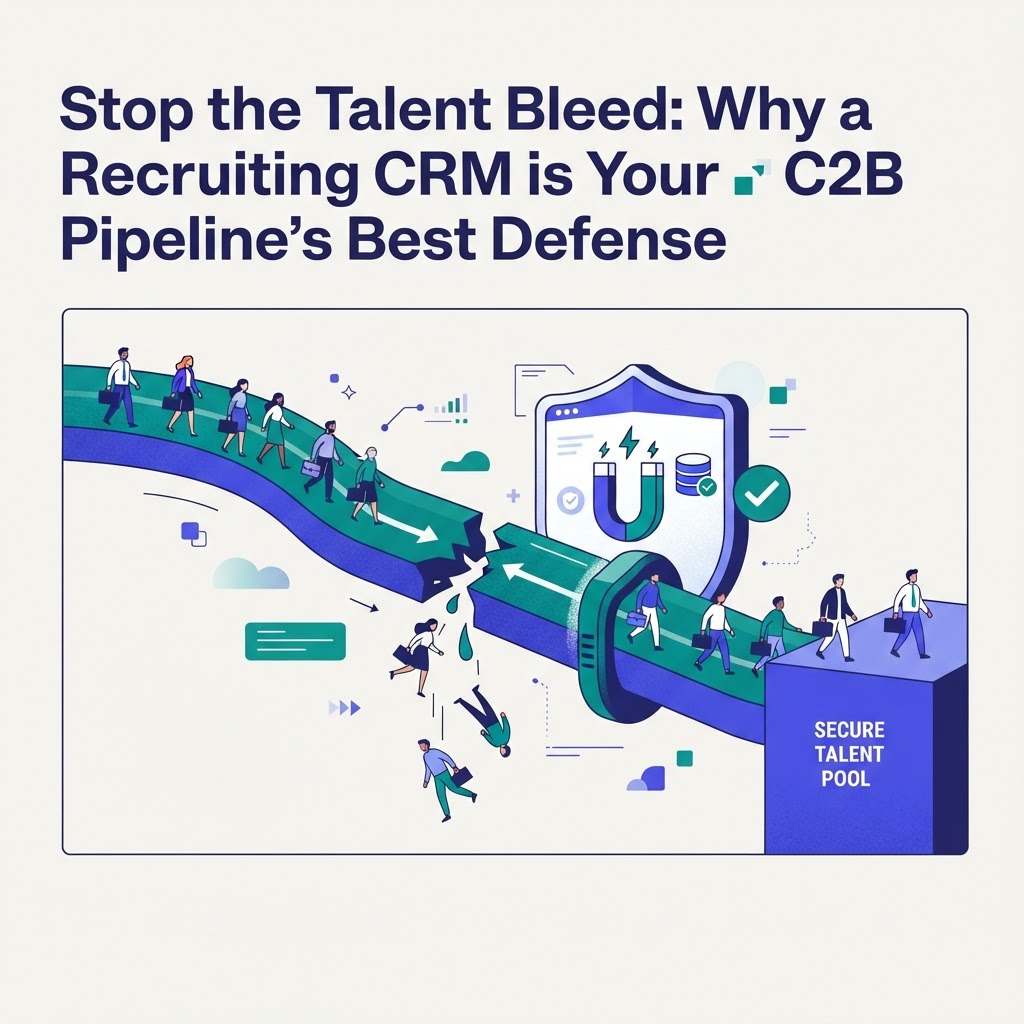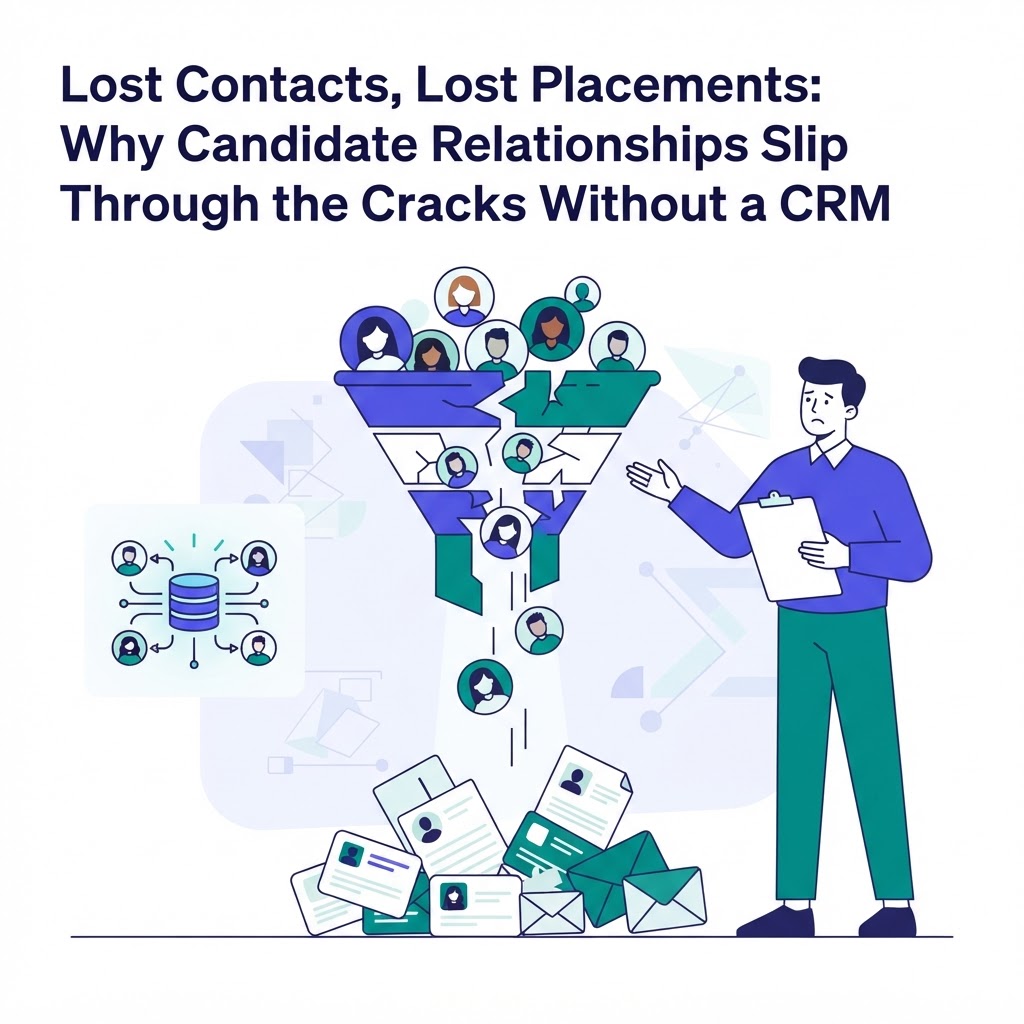
In the fast-paced world of recruitment, your database is your most valuable asset. Yet, for many agencies, that database is a graveyard of abandoned conversations, forgotten follow-ups, and disconnected touchpoints. When recruiters rely on disconnected spreadsheets or rely purely on memory, they aren't just losing data; they are losing revenue. The bridge between a passive candidate and a successful placement is built on consistent communication, and without a centralized system, that bridge inevitably collapses.
The High Cost of Manual Tracking
Every time a recruiter misses a follow-up or fails to document a specific candidate preference, the agency loses equity. Consider the math: if an average recruiter manages 50 active candidates and loses track of just 10% due to poor logging, that is five high-quality prospects potentially slipping to a competitor. If each placement is worth an average fee of $15,000, a minor lapse in communication creates a $75,000 opportunity cost. Manual tracking—via email folders or sticky notes—cannot scale. When a candidate reaches out for an update, the lack of an immediate, accurate history signals unprofessionalism and lack of focus, often causing that candidate to look elsewhere.
The Fragmented Communication Trap
Fragmented communication is the primary culprit behind failed placements. When candidate interactions are trapped in individual recruiter email inboxes, the agency lacks a unified view of the relationship. Does the candidate prefer remote work? Have they been submitted to this client before? Without a shared history, you risk sending the same candidate to the same hiring manager twice, which damages your reputation. A recruiting CRM like RecruitingCRMFlow centralizes every email, call note, and document into a single candidate profile. This ensures that anyone on your team can pick up a conversation exactly where it left off, regardless of who originally made the connection.
Why Context Is Everything
Successful recruitment is not about volume; it is about precision. When you have context, you gain leverage. A candidate who feels "heard" is much more likely to accept an offer through your agency than through a headhunter who treats them like a commodity. By using a CRM to log nuances—such as a candidate’s desire to relocate in six months or their specific technical certifications—you can proactively match them to roles the moment they become available. This level of personalized engagement is impossible to maintain manually as your candidate pool grows into the hundreds or thousands.
Building a Scalable Relationship Backbone
Technology should be the backbone that allows your recruiters to focus on what matters: the human element. RecruitingCRMFlow automates the repetitive tasks that kill productivity, such as logging email activity and setting follow-up reminders. When your CRM acts as the single source of truth, you eliminate the "he said, she said" confusion that plagues high-volume agencies. By implementing automated workflows, you ensure that no candidate goes more than thirty days without a touchpoint. This proactive approach keeps your brand top-of-mind, turning passive leads into active placements.
Moving from Reactive to Proactive Hiring
Without a CRM, your recruiters are forced to be reactive, scrambling to find talent only when a job order lands on their desk. With a CRM, you move to a proactive model. You can build talent pipelines, nurture relationships with industry influencers, and track engagement scores over time. This shift is critical for long-term growth. Instead of starting from scratch with every search, your recruiters can query the database to identify warm prospects who are already familiar with your agency, drastically reducing time-to-fill and improving your conversion rates.
Conclusion
In an industry where relationships are the currency of success, you cannot afford to let connections slip through the cracks. A dedicated CRM like RecruitingCRMFlow is not an optional tool; it is the fundamental infrastructure required to organize, nurture, and convert your candidate pipeline. By centralizing communication and leveraging historical data, you transform your recruitment process from a series of disjointed events into a seamless, profit-generating machine. Stop losing candidates to disorganized workflows and start building a database that works as hard as you do.