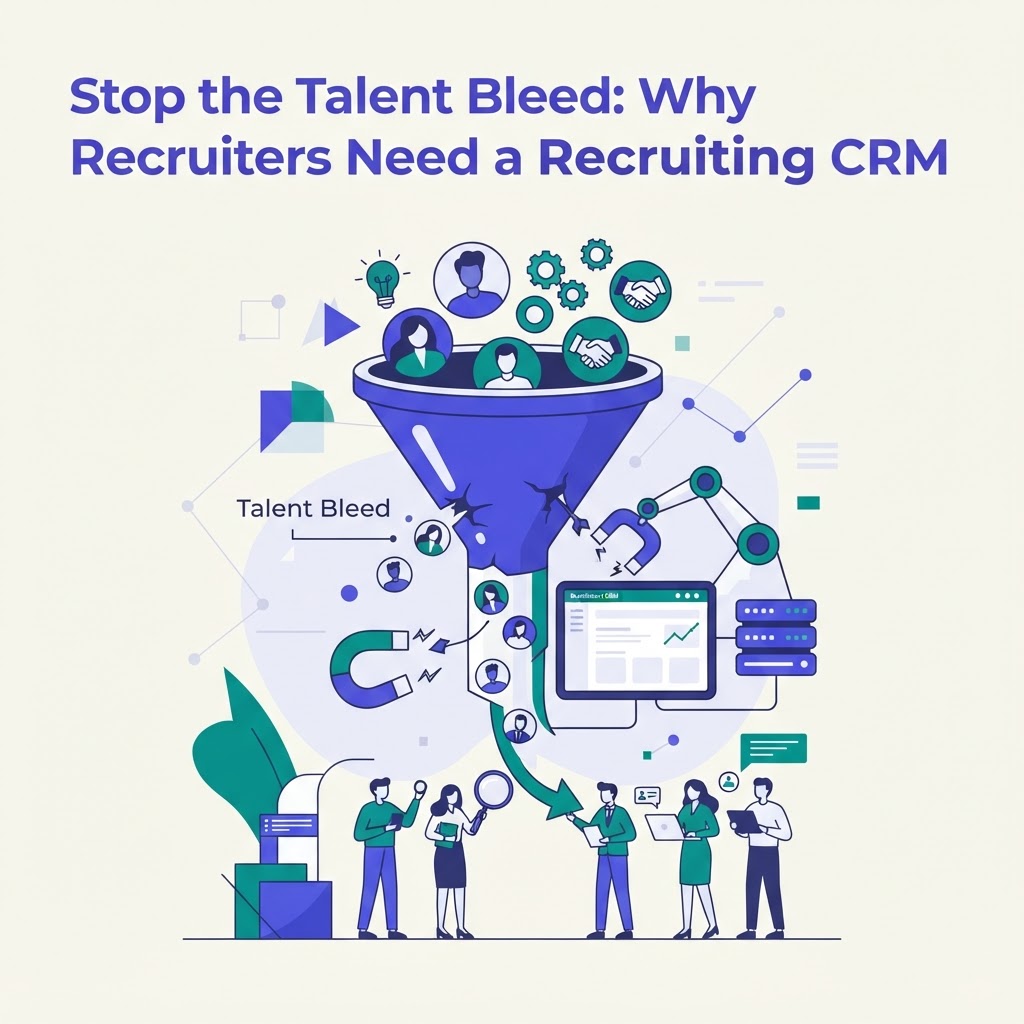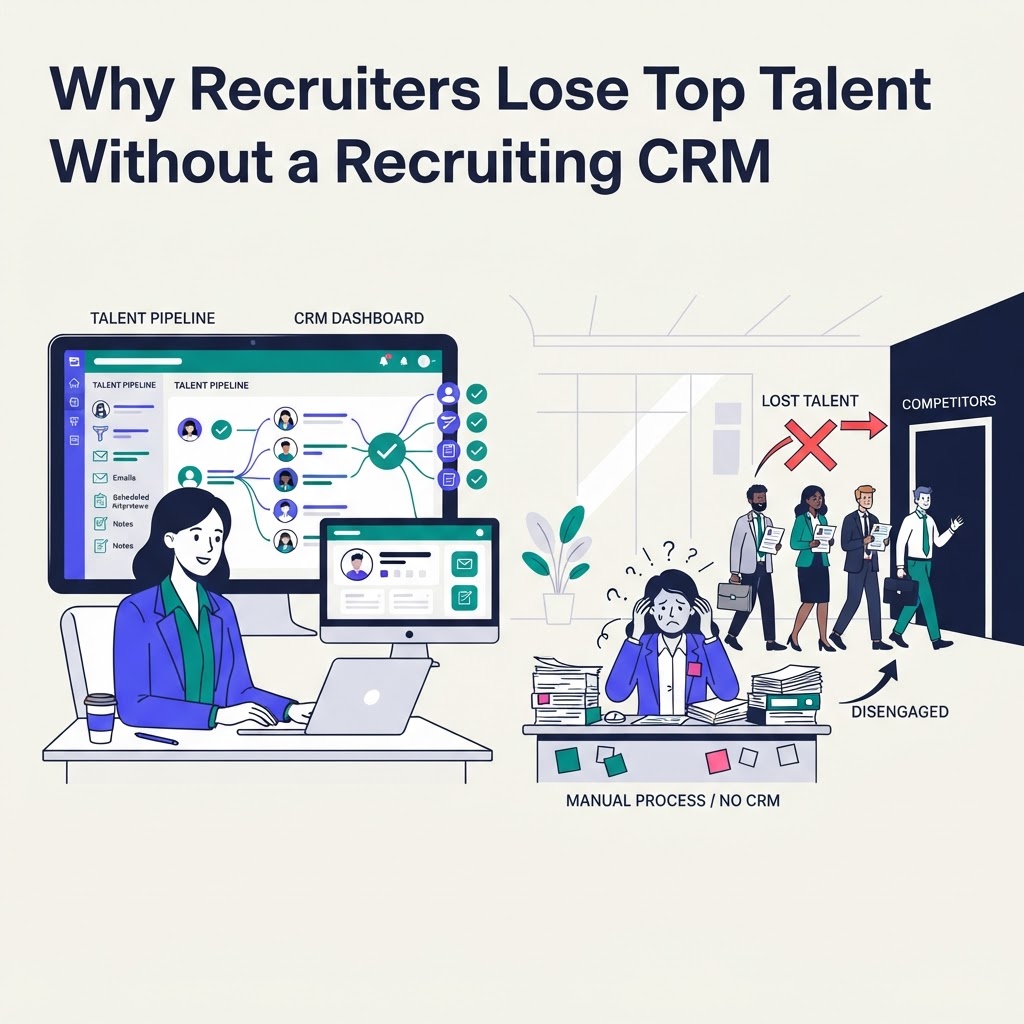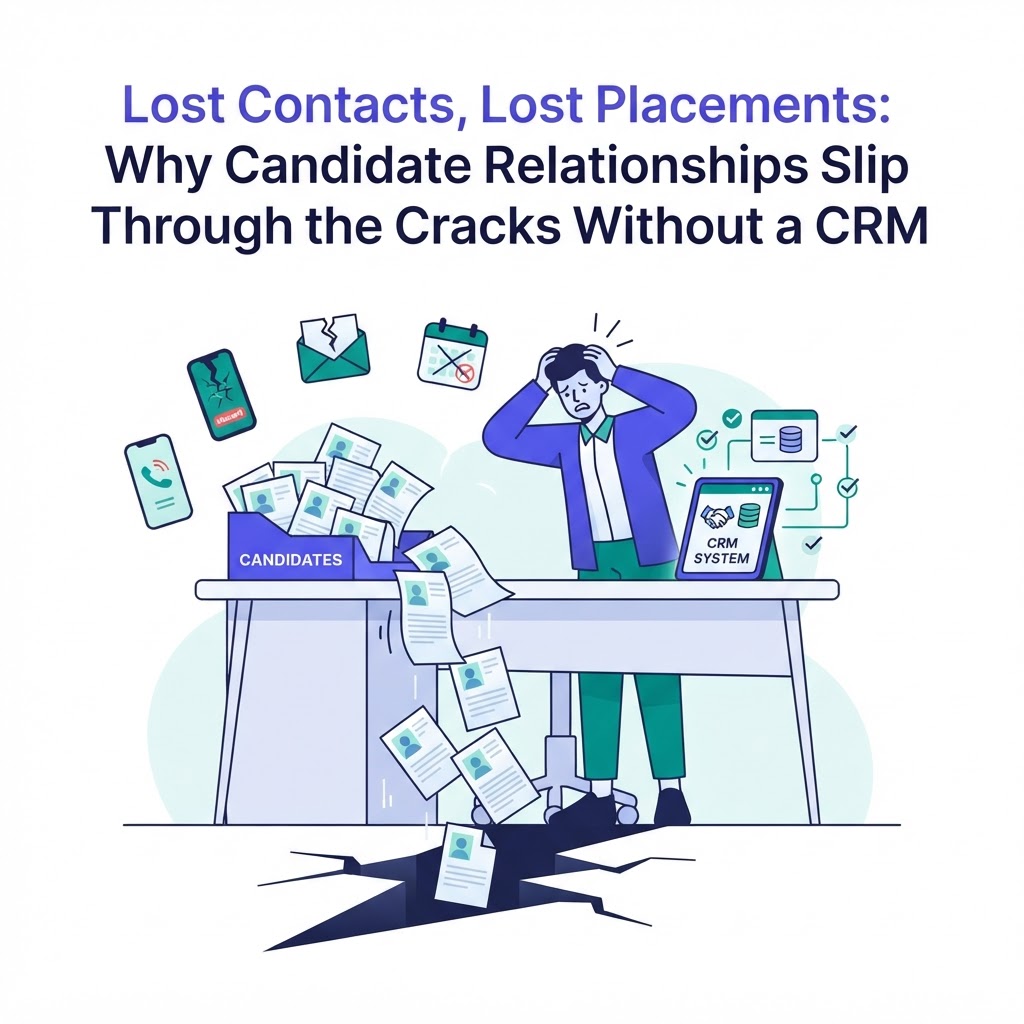
In the fast-paced world of recruitment, a candidate relationship is your most valuable asset. Yet, many recruiters still manage their pipelines using a fragmented mix of spreadsheets, email threads, and sticky notes. When a recruiter relies on memory or manual entry, candidate touchpoints inevitably fall through the cracks. This isn't just a minor administrative annoyance; it is a direct drain on your bottom line. When you lose track of a candidate, you lose the opportunity to place them, which translates to thousands of dollars in lost commission and damaged agency reputation.
The High Cost of the "Memory-Based" Workflow
Many recruiters pride themselves on their network, believing they can keep track of 50 or 100 active candidates in their heads. However, data suggests that the average recruiter loses touch with over 30% of their qualified talent pool every quarter due to simple oversight. When you fail to follow up on a candidate who wasn't a fit for a role three months ago, you aren't just losing a person; you are losing the effort and advertising budget you spent to acquire that lead. A recruiting agency CRM like RecruitingCRMFlow eliminates this risk by centralizing every candidate interaction, ensuring that no one is ever forgotten.
The Communication Black Hole
How many times has a candidate been reached out to by two different recruiters from your agency for the same role, or worse, reached out to when they are already deep in the interview process? This lack of communication transparency makes your agency look disorganized. Without a centralized CRM, you have no "single source of truth." When communication is buried in individual email inboxes, it is invisible to the rest of the team. A CRM provides a comprehensive history of every conversation, email, and meeting, allowing your team to act as a unified front.
Transforming Data into Relationship Intelligence
Relationships thrive on timing. Knowing exactly when a candidate is likely to be open to a new challenge is the difference between a successful placement and a cold "no." Without a CRM, you are guessing. With a system like RecruitingCRMFlow, you can set automated reminders for check-ins based on previous interaction dates. Instead of cold calling, you provide value by reaching out at the right time. For example, if a candidate was placed in a contract role six months ago, the CRM flags them for a check-in as their contract nears completion. This proactive approach turns passive contacts into long-term career partners.
Streamlining the Placement Lifecycle
Efficiency is the engine of recruitment growth. When a candidate reaches the interview stage, every manual step you take to coordinate the process adds friction. Without an ATS/CRM integration, recruiters spend hours manually updating statuses across multiple platforms. This manual labor is the primary reason why high-potential candidates ghost recruiters—if the process feels slow or manual, they lose confidence in your ability to represent them. RecruitingCRMFlow automates status updates and triggers, so you can focus on building the human relationship while the software handles the logistics.
Building a Scalable Asset for Your Agency
If your recruitment process exists only in the minds of your recruiters, your agency has no real asset. When a team member leaves, they take their "network" with them. A robust CRM changes the ownership of these relationships, moving them from the recruiter to the agency. By documenting every interaction in RecruitingCRMFlow, you ensure that institutional knowledge remains intact. This scalability is essential for agencies looking to grow, as it allows new hires to pick up where previous recruiters left off without losing a single beat in the candidate pipeline.
In conclusion, the era of managing talent through manual spreadsheets is over. The competitive landscape demands speed, precision, and personalized engagement. By adopting a dedicated recruiting CRM, you stop the leakage of lost contacts and turn your candidate pipeline into a high-performance engine for placements. If you are serious about protecting your revenue and professionalizing your candidate experience, it is time to transition your workflow into a system that works as hard as you do.