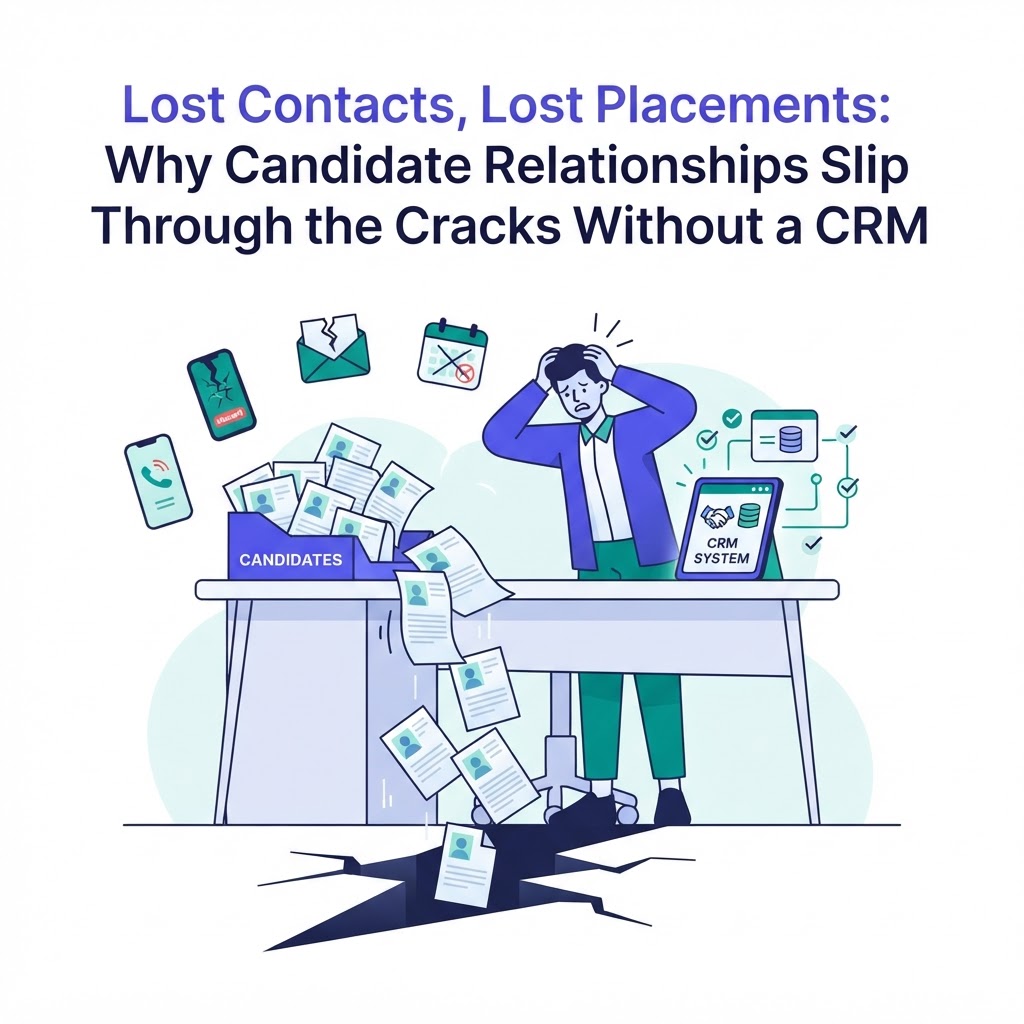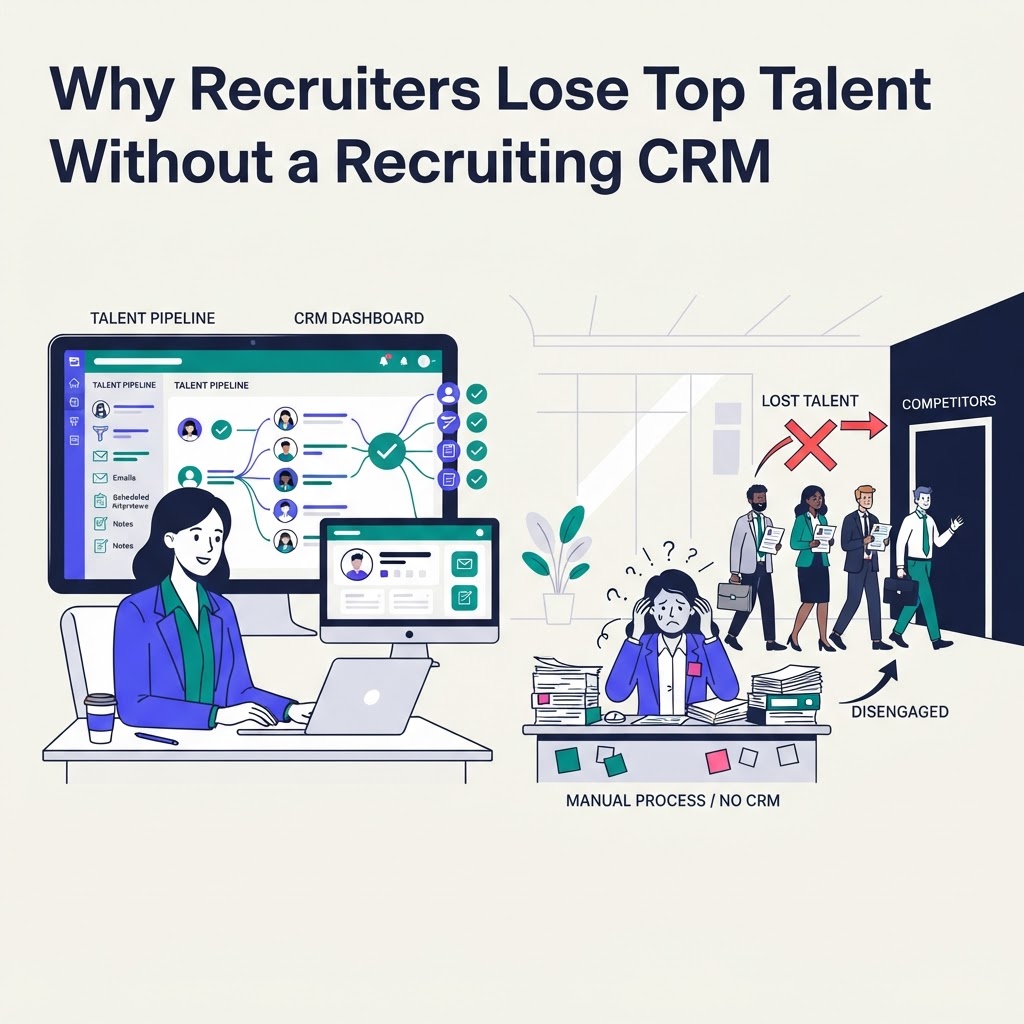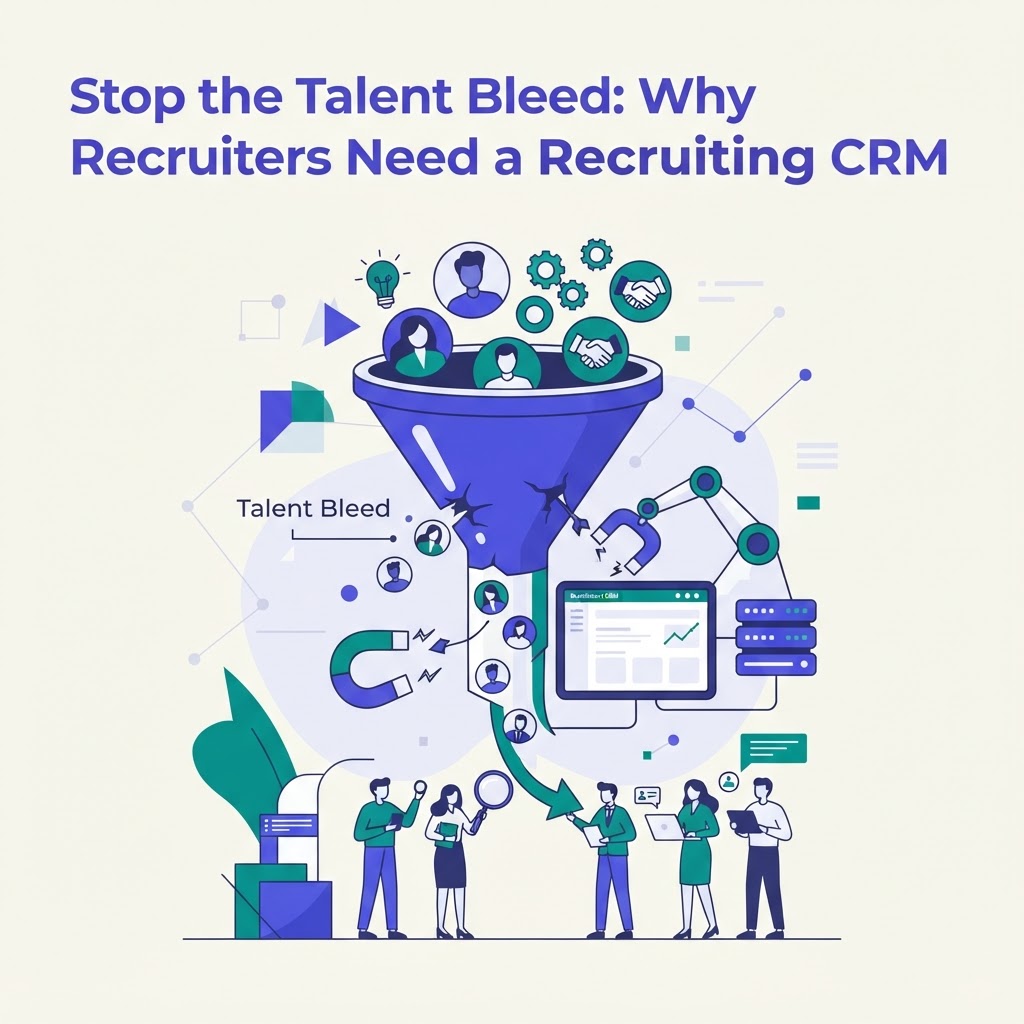
In the fast-paced world of recruitment, your database is your most valuable asset. Yet, for many agencies, that database is more of a digital graveyard than a goldmine. When candidate relationships are managed through scattered email threads, spreadsheets, or sticky notes, the result is predictable: candidates become disengaged, opportunities vanish, and top talent inevitably gravitates toward competitors who maintain a consistent, professional dialogue. This isn't just a minor operational friction; it is a direct hit to your bottom line.
The Silent Killer: Communication Gaps
The average recruiter manages dozens, if not hundreds, of active relationships at any given time. Without a centralized system to log these interactions, human error becomes inevitable. When you forget a follow-up call, miss a birthday note, or fail to acknowledge a candidate’s career milestone, you signal that they are just a transaction to you. Research suggests that 70% of passive candidates lose interest if the communication process feels disorganized or sluggish. By the time you circle back to a promising lead, they have likely already accepted an offer from an agency that stayed top-of-mind.
Why Spreadsheets Fail You
Many agencies rely on Excel or shared documents to track their pipeline, but these tools lack the 'memory' required for modern recruiting. A spreadsheet doesn't remind you to call a candidate three months after they start a new job. It doesn't capture the nuance of a conversation about their long-term career goals. This is where RecruitingCRMFlow bridges the gap. By acting as a dynamic relationship backbone, the CRM ensures every touchpoint is logged, indexed, and actionable. When data is siloed in a spreadsheet, your team is flying blind; when it lives in a CRM, every interaction becomes institutional knowledge.
Quantifying the Cost of 'Lost' Talent
Consider the financial impact of a lost candidate. If your average placement fee is $15,000 and you lose just one candidate per month due to poor follow-up, that is a $180,000 annual hit to your agency. Furthermore, the cost of re-acquiring that talent—searching through LinkedIn, filtering resumes, and conducting initial screens—is significantly higher than re-engaging a 'warm' contact. A CRM mitigates these losses by:
- Automating follow-up reminders to ensure no candidate is ignored.
- Centralizing communication history so any team member can pick up a conversation seamlessly.
- Identifying high-potential candidates who haven't been contacted in 90+ days.
- Maintaining a clean, searchable profile that highlights specific industry skills.
Building a Repeatable Candidate Experience
Top-tier recruiters don't just fill roles; they build long-term careers for their candidates. This requires a shift from transactional recruiting to relationship management. A recruitment CRM allows you to create structured engagement workflows. Whether it is a automated check-in after a candidate is placed or a personalized outreach campaign for specialized engineering roles, consistency is the key to loyalty. When you use a platform like RecruitingCRMFlow, you aren't just sending emails; you are building a repository of trust. Candidates who feel valued are more likely to provide referrals, which are consistently the highest-converting source of new business.
Turning Data Into a Competitive Advantage
Data is only useful if it is accessible. When candidate information is trapped in individual email inboxes, the agency suffers from 'brain drain' if a recruiter leaves or takes a vacation. By integrating your communication directly into your ATS and CRM, you secure your agency's intellectual property. RecruitingCRMFlow ensures that the relationship belongs to the firm, not the individual, providing a seamless transition if account management changes. This stability is exactly what high-level clients look for when selecting an agency partner; they want to know their talent pipeline is managed by a process, not just a person.
Conclusion: Investing in Your Future
The difference between an agency that struggles and one that dominates its market often comes down to the quality of their candidate relationships. If you are still relying on manual tracking, you are intentionally choosing to let revenue slip away. By implementing a dedicated CRM like RecruitingCRMFlow, you transform your candidate database into a proactive tool that alerts you to opportunities before they arise. Stop losing contacts and start maximizing your placement potential today.