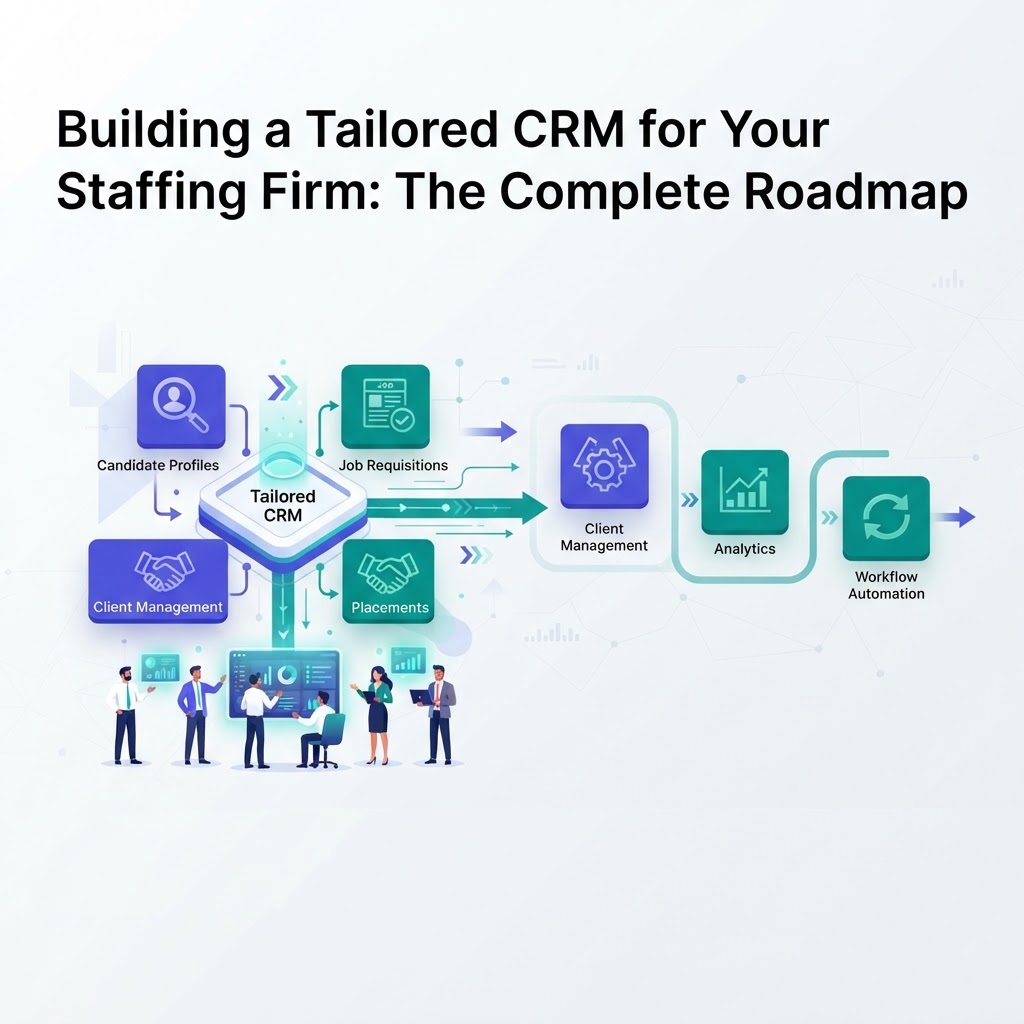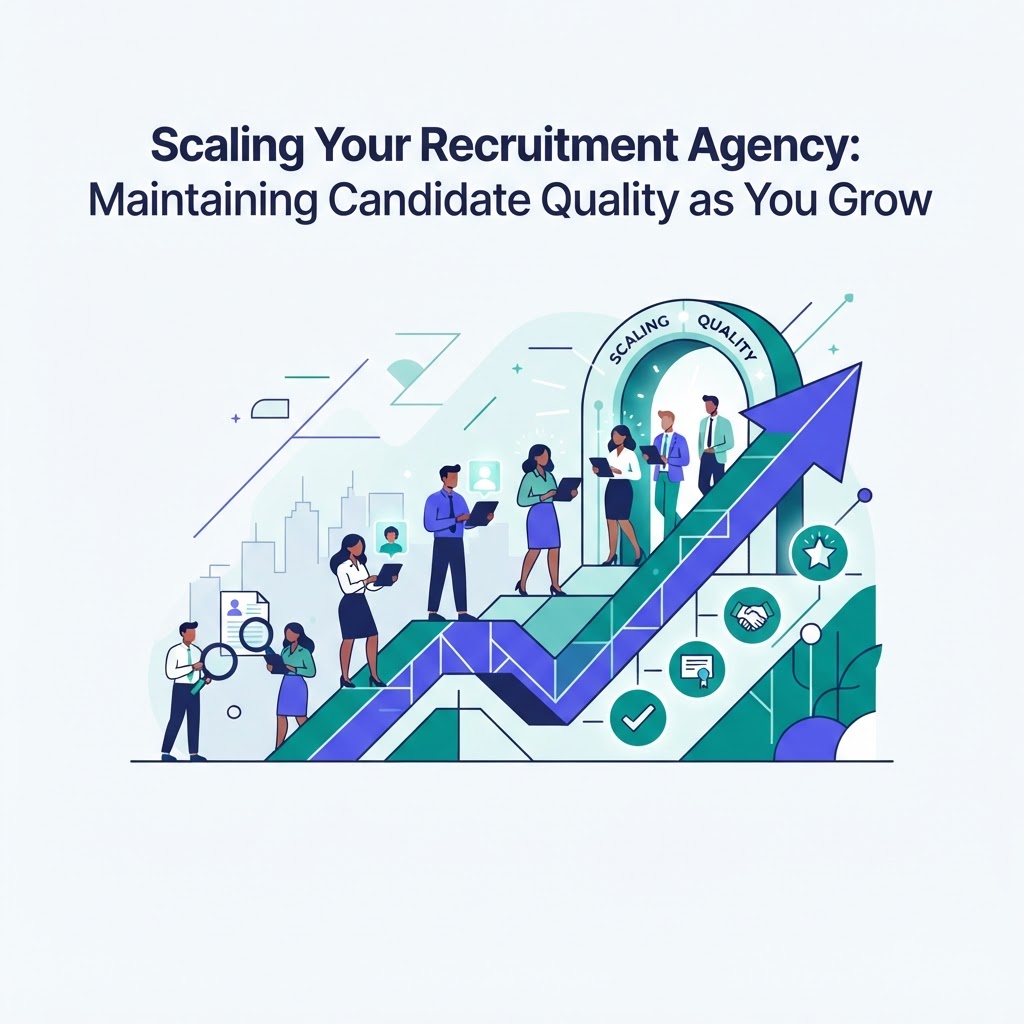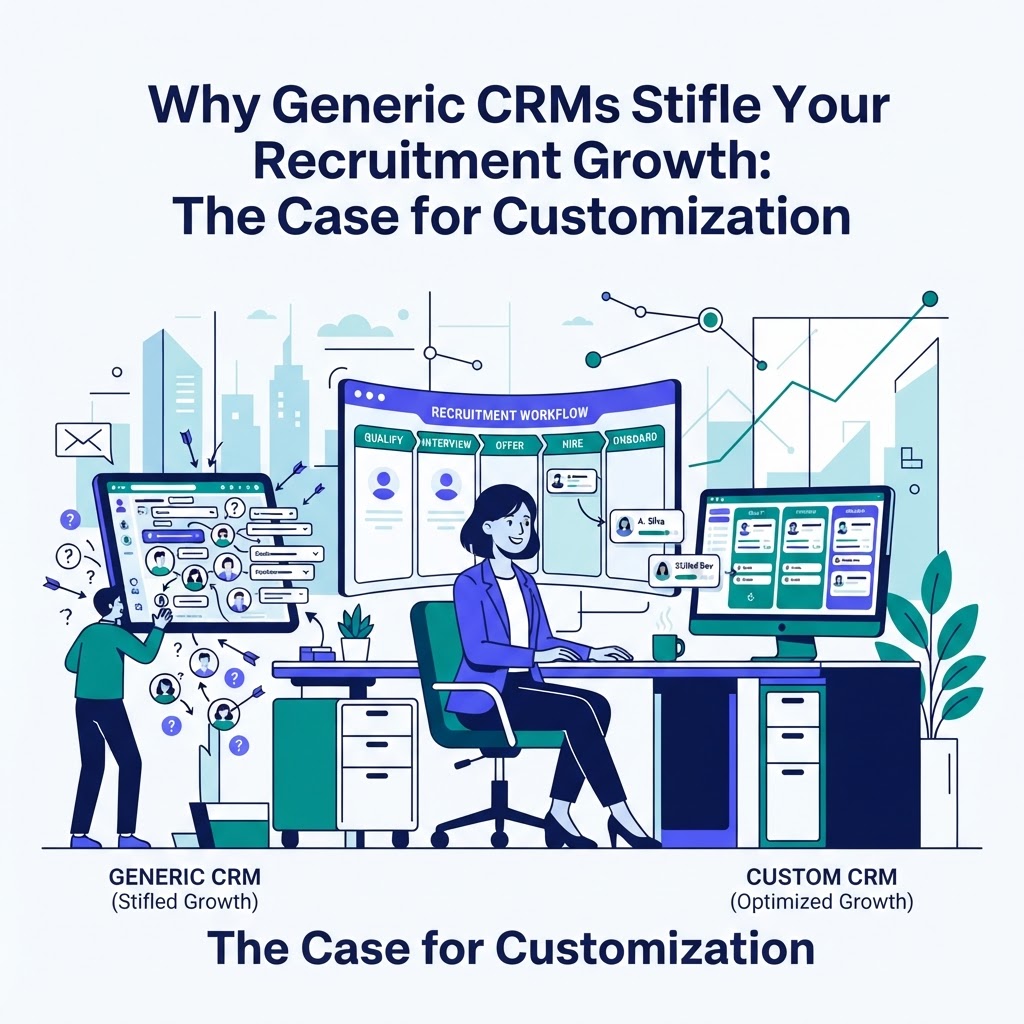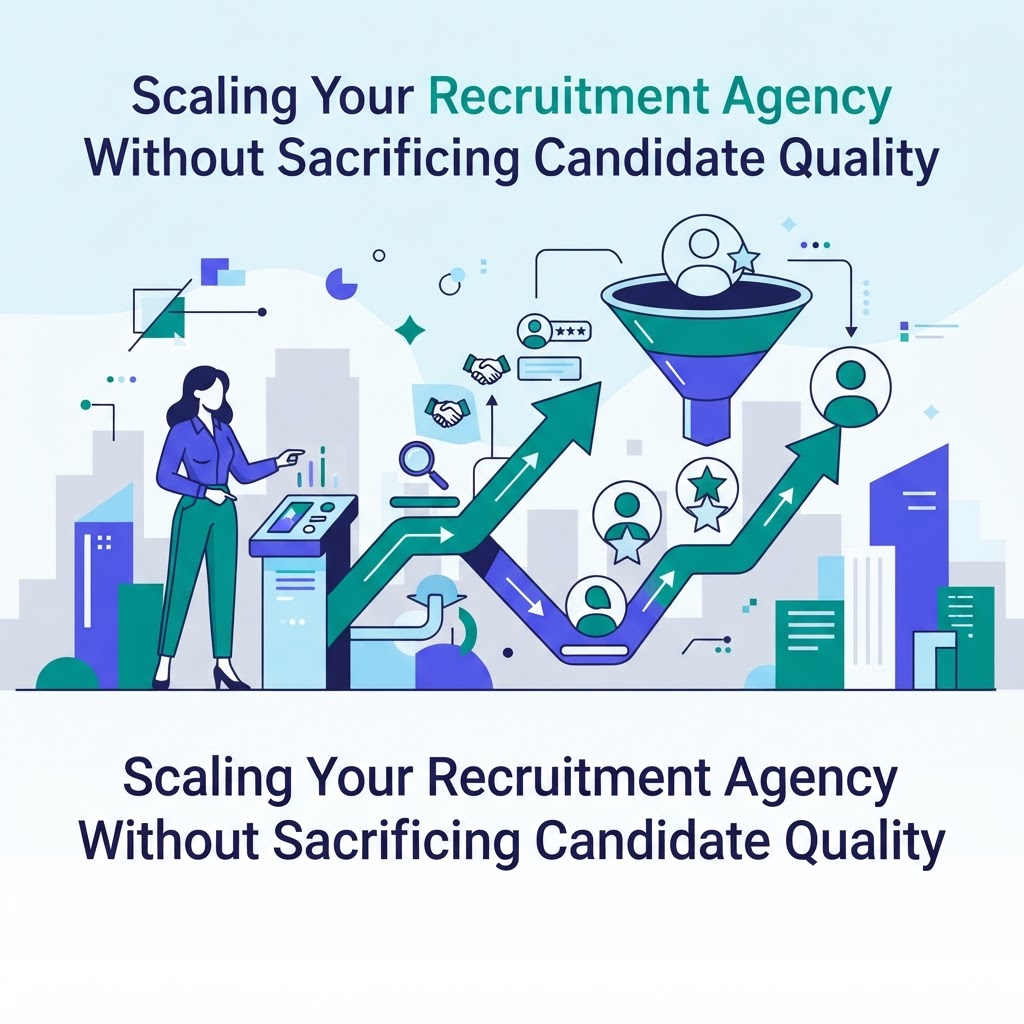
The growth phase of a recruitment agency is often a double-edged sword. As your client list expands, the pressure to fill roles rapidly intensifies, frequently leading to the 'quantity over quality' trap. Scaling effectively requires moving away from fragmented spreadsheets and disjointed communication to a centralized operating system that treats every candidate as a long-term asset rather than a temporary record.
The Hidden Cost of Manual Scaling
When a recruitment agency starts to grow, recruiters often rely on email threads, sticky notes, and disparate database systems. This inefficiency is the primary culprit behind the decline in candidate quality. When you lack a unified view of a candidate's history, you lose the ability to nurture relationships. Agencies that attempt to scale manually often see their 'time-to-fill' metrics spike because recruiters spend 40% of their day on administrative tasks rather than candidate vetting. Without a structured workflow, the top 10% of your talent pool slips through the cracks because no one remembered to follow up.
Standardizing Your Vetting Workflow
True scale is impossible without consistency. If every consultant has a different process for qualifying candidates, your agency's brand and quality standards become unpredictable. You must implement a standardized vetting process that is baked into your infrastructure. By using RecruitingCRMFlow, you can mandate specific stages in your candidate journey—such as initial screen, technical assessment, and reference check—before a candidate can move forward to client presentation. This ensures that every consultant, regardless of their tenure, is delivering the same level of vetted talent to your clients.
Building a Candidate Relationship Engine
Scaling quality means never needing to 'cold search' for every new job order. An agency that scales well is one that has built a proprietary database of engaged talent. This is where your CRM serves as your growth operating system. Instead of constantly hitting job boards, your team should be leveraging existing data within RecruitingCRMFlow. By tracking interactions, past submissions, and feedback loops, you transform your database into a dynamic talent community. When a high-priority role opens, your platform should enable your team to instantly identify the top 5% of candidates who are already in your ecosystem, effectively cutting sourcing time by 60% while maintaining higher placement accuracy.
Data-Driven Decision Making
Growth without metrics is just guesswork. To scale quality, you must be able to track which sourcing channels produce the highest retention rates or the most successful placements. A sophisticated recruitment CRM allows you to move beyond vanity metrics like 'number of calls made' and focus on 'quality of hire' metrics. For example, analyze the conversion rate of candidates from specific sources or the average time it takes for a candidate to pass a client interview. With RecruitingCRMFlow, you can visualize these bottlenecks and adjust your recruiting strategy in real-time, ensuring that your team is focusing their energy on the most productive talent pools.
Automating the Mundane to Focus on the Human
Scaling quality doesn't mean removing the human touch; it means automating the manual parts of the job so your recruiters have more time to build relationships. Automation should be applied to scheduling, follow-ups, and status updates—tasks that, when ignored, make candidates feel neglected. By automating these touchpoints through your CRM, you ensure that every applicant receives a timely response, keeping your employer brand strong. This allows your recruiters to focus on what only humans can do: complex negotiation, detailed career counseling, and deep cultural fit assessment.
Conclusion
Scaling your recruitment agency is a challenge of balance. You are maintaining the speed of a high-growth firm while ensuring the precision of a boutique specialist. By investing in a dedicated growth operating system like RecruitingCRMFlow, you create a foundation where candidate data is accurate, workflows are standardized, and recruiters are empowered to focus on the human side of the business. When your CRM does the heavy lifting, your team is free to do the high-value work that drives long-term agency success.