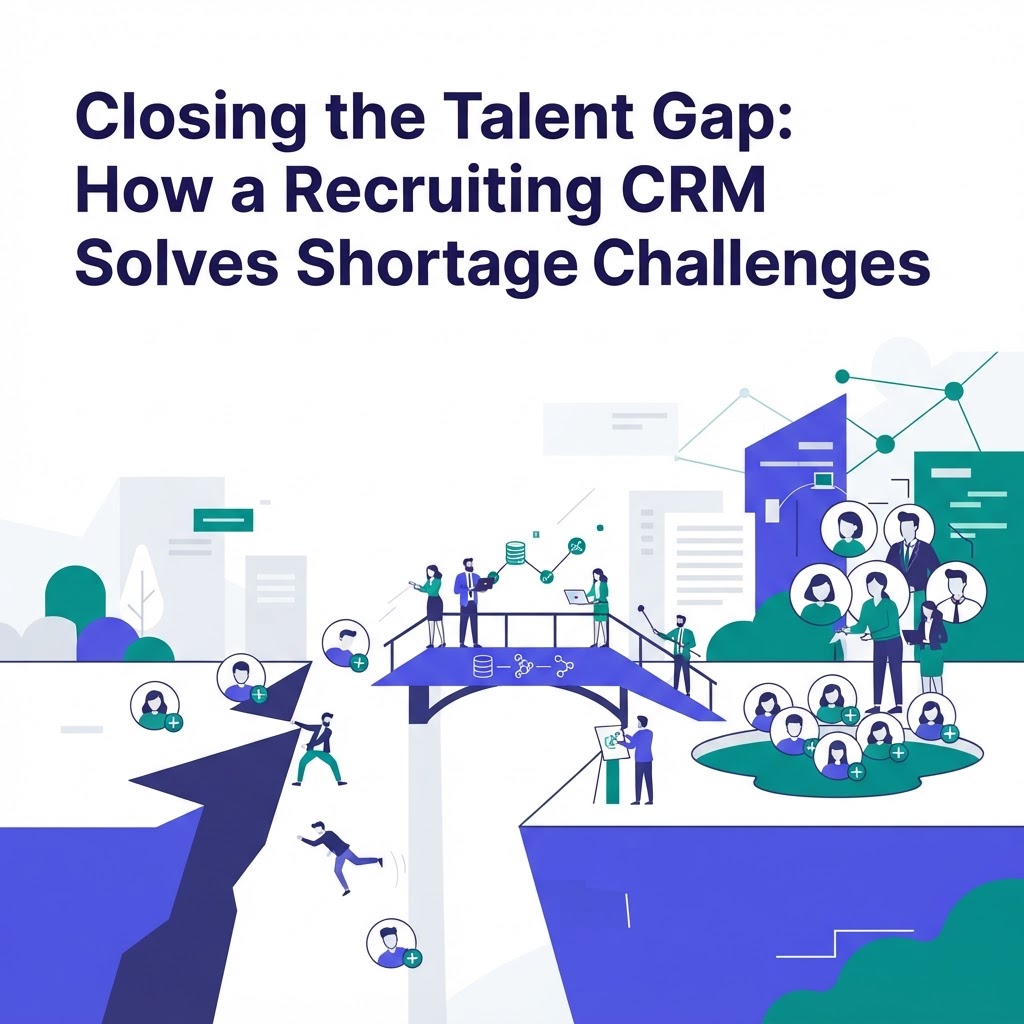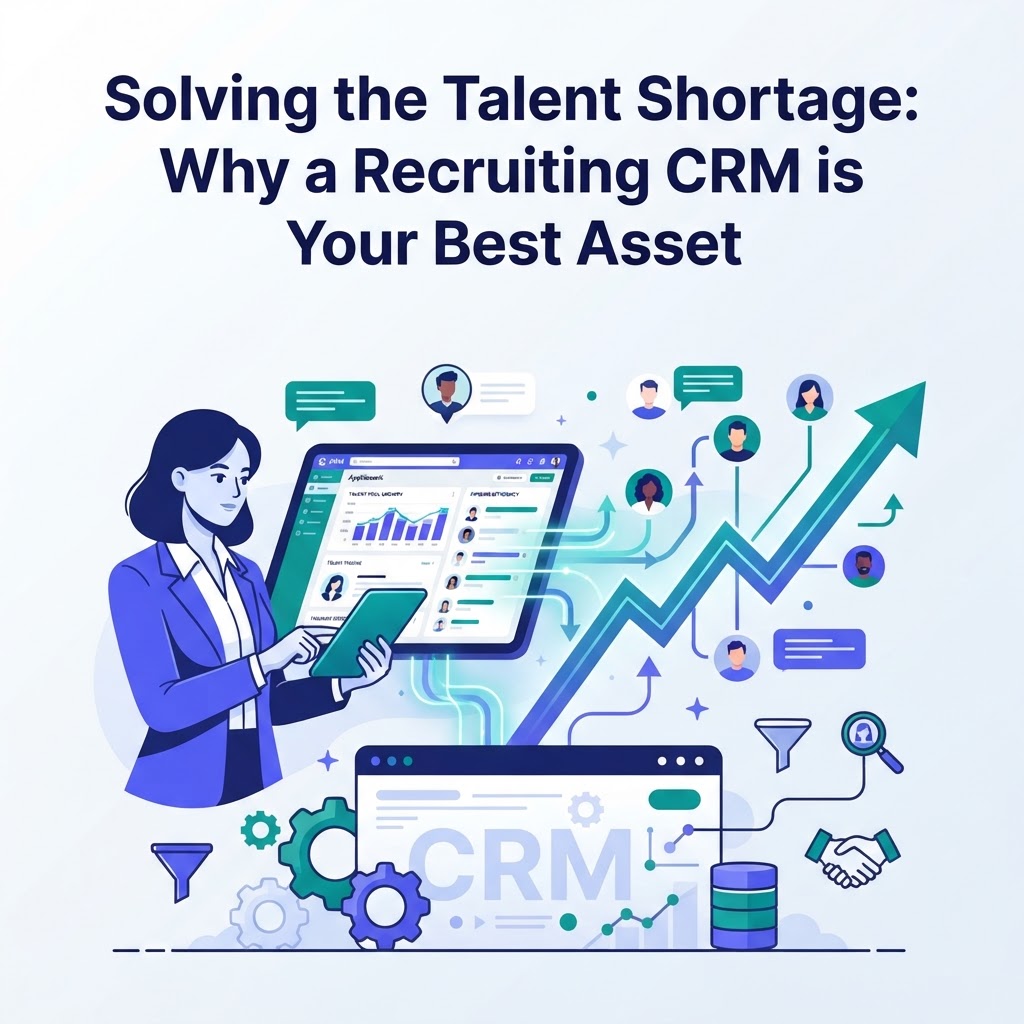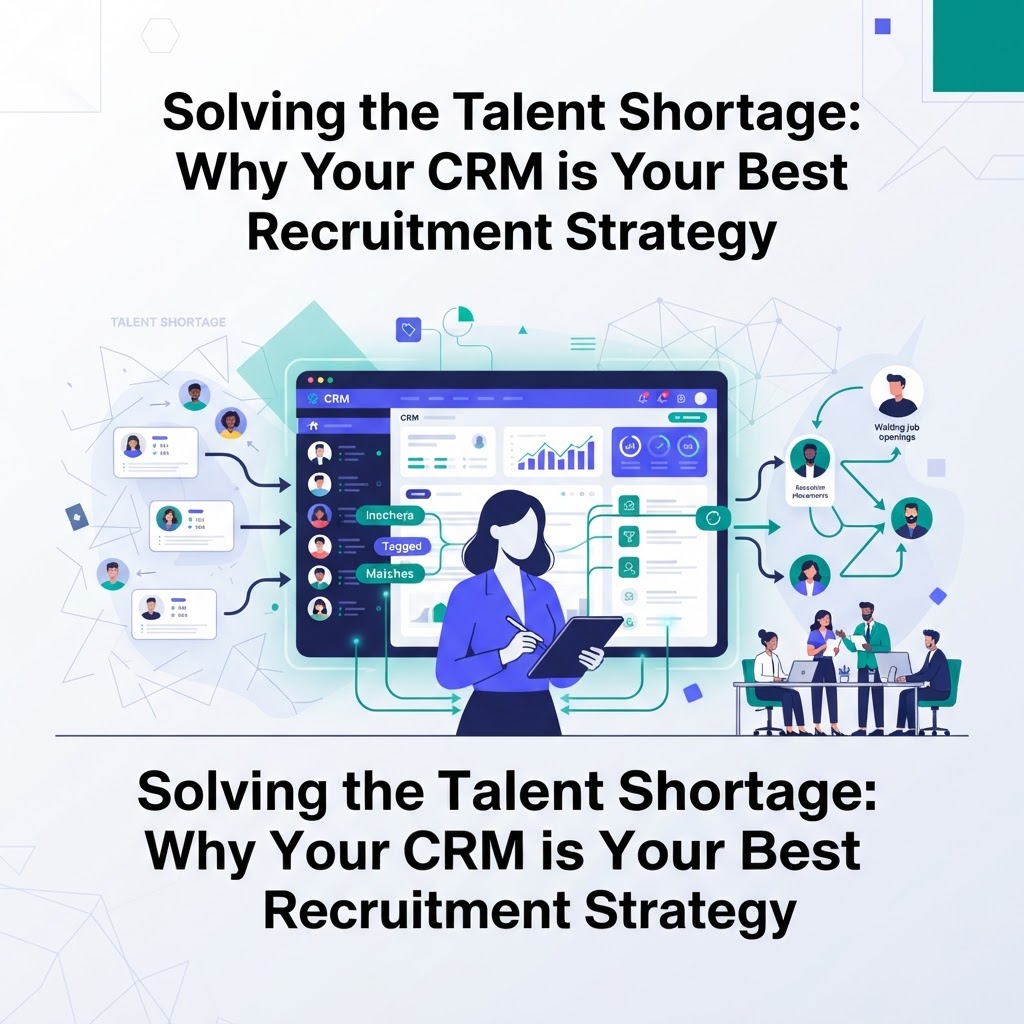
The modern labor market has undergone a fundamental shift, turning from a candidate-heavy landscape into a battleground for specialized skills. According to recent industry data, over 75% of recruiters report that talent shortages are their biggest barrier to growth. When businesses rely on reactive methods—posting a job description and waiting for applications—they are fighting a losing battle. The solution lies in shifting from passive screening to proactive relationship management, a transition that is nearly impossible without the right technological infrastructure like RecruiterCRMFlow.
The Cost of the Reactive Hiring Trap
Many organizations operate on a cycle of "panic hiring," where they only begin searching for candidates when a vacancy opens. This approach is inherently flawed in a scarcity-driven market. When you wait for a resignation to initiate a search, you are often looking for "active" candidates, who represent only about 20% of the total talent pool. By ignoring the 80% who are passive candidates, you are severely limiting your options. Furthermore, without a centralized database, recruiters often lose track of previous applicants, essentially burning through their most valuable resource: people who have already expressed interest in the brand.
Building a Talent Pipeline Before You Need It
Proactive sourcing is the intentional act of building relationships with potential candidates long before a requisition is approved. A recruiting CRM acts as the heart of this strategy. Instead of losing potential talent to the abyss of an overflowing email inbox, a CRM allows you to segment candidates by skill set, industry experience, and level of interest. With RecruiterCRMFlow, you can nurture these relationships through automated, personalized drip campaigns. By maintaining regular touchpoints—such as industry news, company culture updates, or career development resources—you ensure that when a role finally opens, your company is the first name that comes to mind for the candidate.
Leveraging Data to Eliminate Lost Time
Time-to-hire is a critical metric, and every day a seat remains empty costs a business significant revenue and productivity. Without a CRM, recruiters spend up to 40% of their time on manual administrative tasks like formatting resumes, chasing feedback, and tracking contact history. A recruiting CRM automates these workflows, allowing your team to focus on the human side of recruitment. By tracking every interaction, from the initial outreach email to the final interview stage, your team gains visibility into what works. If your data shows that software engineers in a specific region are more likely to respond to a LinkedIn message than an email, you can adjust your sourcing strategy in real-time, reducing wasted effort.
Turning Former Applicants into Future Hires
One of the most overlooked solutions to the talent shortage is your own "silver medalist" candidate pool. These are the individuals who made it to the final round but were not selected due to a slight misalignment in skills or experience at that specific time. In a spreadsheet-based system, these people are often forgotten. However, in a robust ATS and CRM like RecruiterCRMFlow, they remain part of your ecosystem. By tagging these high-potential candidates and setting automated reminders to check in every six months, you can tap into a pre-vetted talent pool that already understands your company values. Re-engaging these individuals can reduce your sourcing time by nearly 50% compared to starting a search from scratch.
Enhancing Candidate Experience Through Personalization
In a competitive market, candidate experience is your employer brand's greatest asset. When a business lacks a CRM, candidates often experience "ghosting" or disjointed communication where two different recruiters reach out for the same role. This friction drives top talent away. A CRM ensures that every team member has a single source of truth. When a recruiter looks up a candidate in RecruiterCRMFlow, they see the entire history of interaction. This allows for a hyper-personalized approach that makes the candidate feel like an individual, not just a line item in a spreadsheet. Personalization matters: research shows that candidates are 30% more likely to accept an offer when they feel a strong, personalized connection during the recruitment process.
The Path Forward
Solving the talent shortage requires a shift in mindset from hiring as an event to recruiting as an ongoing business function. By investing in the right CRM, you stop treating your talent database as a static list and start managing it as an active pipeline. Platforms like RecruiterCRMFlow empower you to automate the mundane, nurture your network, and capitalize on historical data, ensuring that your organization remains resilient, even in the tightest labor markets.