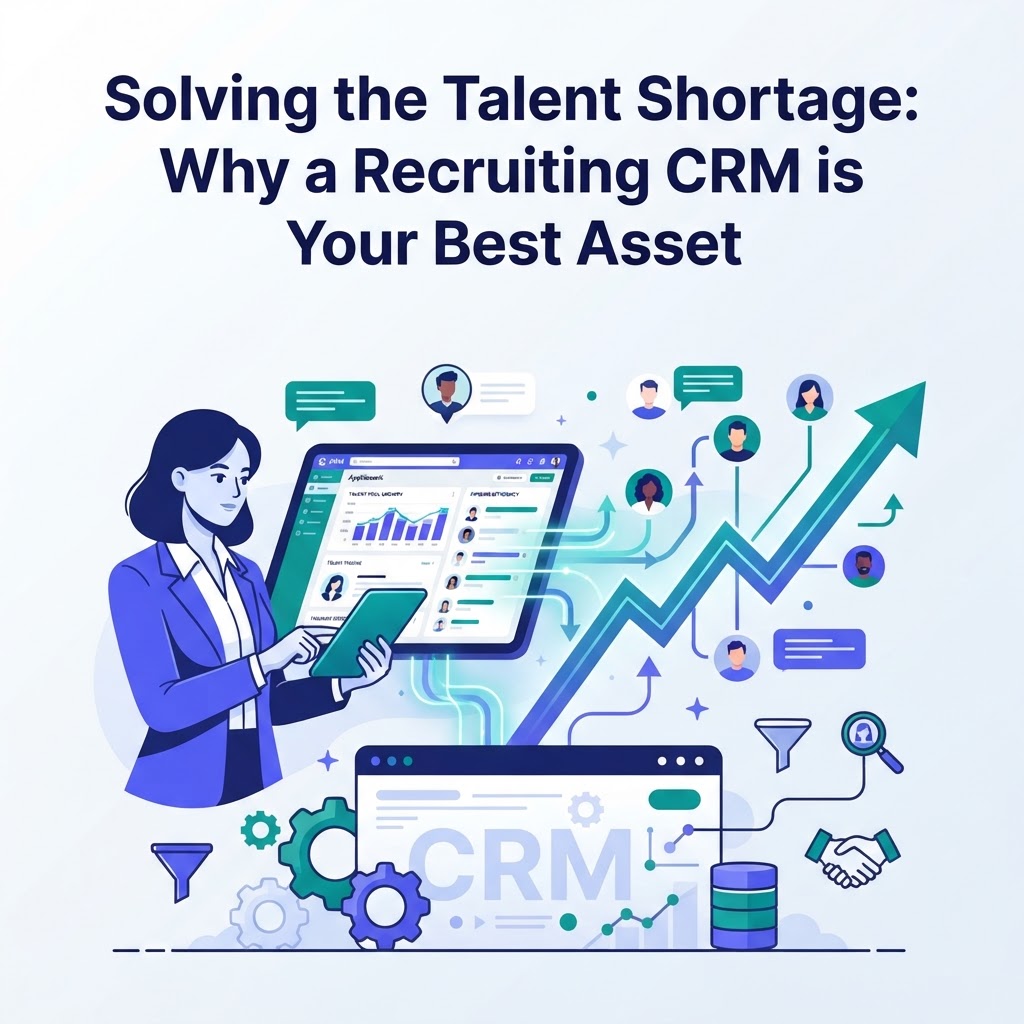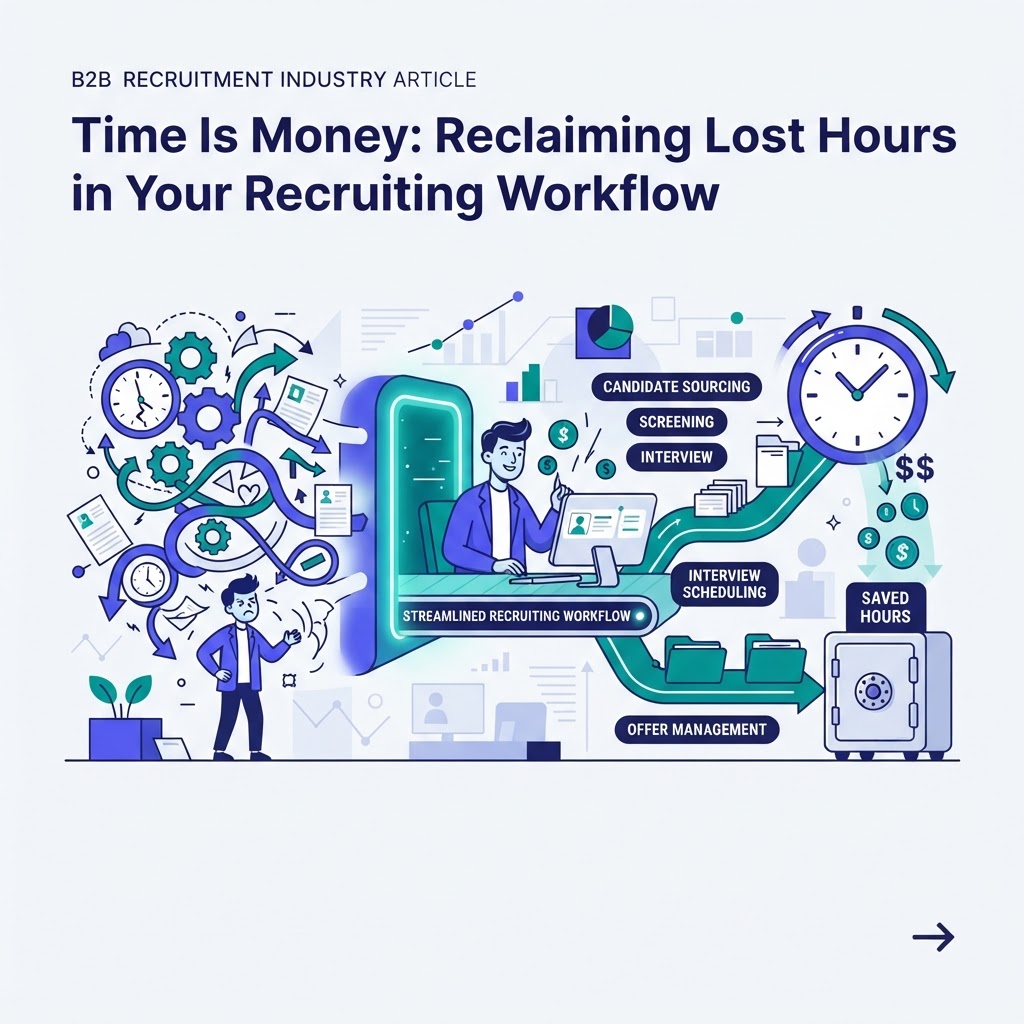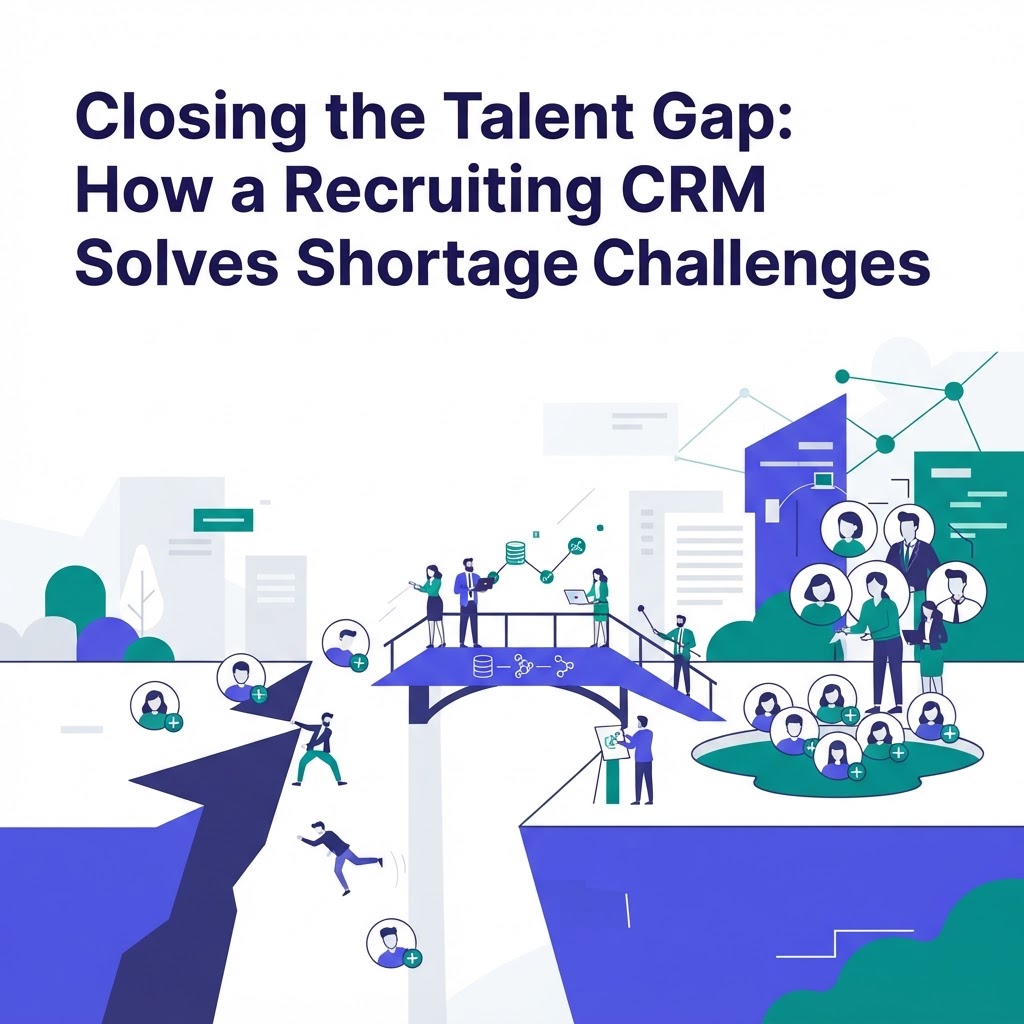
In today’s competitive labor market, the term "talent shortage" has become a permanent fixture in boardrooms across every industry. Organizations are not just struggling to find candidates; they are struggling to maintain a pipeline of qualified individuals who are ready to engage when a role opens. Without a centralized system to manage these relationships, businesses are essentially pouring water into a leaky bucket, losing track of high-potential prospects the moment a hiring process ends. The solution lies in shifting from a reactive hiring mindset to a proactive, technology-driven sourcing strategy supported by a robust recruiting CRM like RecruitingCRMFlow.
The High Cost of Lost Talent
The greatest driver of the talent shortage is not necessarily a lack of qualified people, but a lack of connectivity. When a recruiter finishes a hiring cycle, they often leave behind hundreds of "silver medalist" candidates—talented individuals who were qualified but ultimately not selected for that specific role. Without a recruiting CRM, these candidate profiles disappear into email inboxes, spreadsheets, or folders on a desktop. Research suggests that recruiters spend up to 40% of their time manually sourcing candidates from scratch. By failing to re-engage previous applicants, companies are essentially ignoring a goldmine of pre-vetted talent, resulting in wasted advertising spend and extended time-to-hire metrics.
Moving from Reactive Sourcing to Proactive Engagement
A recruiting CRM shifts the paradigm by treating candidates like customers. In sales, businesses use CRM platforms to nurture leads; in recruitment, you must do the same. By utilizing RecruitingCRMFlow, teams can tag candidates by skill set, industry experience, and readiness. Instead of starting from zero when a vacancy arises, your team can search your internal database to identify individuals you have already engaged. This proactive approach reduces the average cost-per-hire by as much as 30% because your team is tapping into an "owned" audience rather than paying for external job board advertisements or headhunter fees.
Centralizing Your Talent Pipeline
Fragmentation is the enemy of efficiency. When candidate data is scattered across multiple platforms—LinkedIn, email, spreadsheets, and various job boards—it is impossible to maintain a "single source of truth." A dedicated recruiting CRM provides a holistic view of every interaction an organization has had with a potential hire. With RecruitingCRMFlow, recruiters can see the entire history of a candidate, including previous applications, notes from past interviews, and even automated touchpoints that have occurred over the last twelve months. This visibility prevents duplicate outreach and ensures that the brand experience remains professional and consistent.
Nurturing Relationships at Scale
One of the most effective ways to solve the talent shortage is to keep your brand top-of-mind for passive candidates. Passive candidates—those not actively looking for work—represent a significant portion of the elite workforce. These individuals won't be checking job boards daily, but they might be receptive to a well-timed message. Using automation tools within a CRM, you can send personalized newsletters, industry updates, or company milestone news to your talent database. This keeps the relationship "warm" so that when these passive candidates decide it is time for a career move, your company is the first one they contact.
Leveraging Data to Predict Hiring Needs
Data-driven recruitment is no longer optional. A recruiting CRM allows HR leaders to analyze the health of their pipeline in real-time. By tracking metrics such as "time in stage," "source of hire," and "conversion rates," organizations can identify exactly where their talent acquisition funnel is breaking down. If your data shows that you are losing strong candidates during the initial screening phase, you can adjust your messaging or adjust your screening criteria. RecruitingCRMFlow provides the analytical dashboard needed to turn raw recruitment data into actionable strategic decisions, allowing HR departments to forecast hiring needs months in advance rather than scrambling during a crisis.
Conclusion: Build Your Future Workforce Today
The talent shortage is a reality, but it is not an insurmountable obstacle. Organizations that continue to rely on manual, fragmented processes will find it increasingly difficult to compete. By adopting a recruiting CRM like RecruitingCRMFlow, you transform your recruitment process from a series of disjointed, reactive events into a structured, proactive engine for growth. The ability to nurture, track, and re-engage talent is the key to maintaining a competitive edge. Start building your own pipeline today; your future hires are already in your reach if you have the right system to manage them.