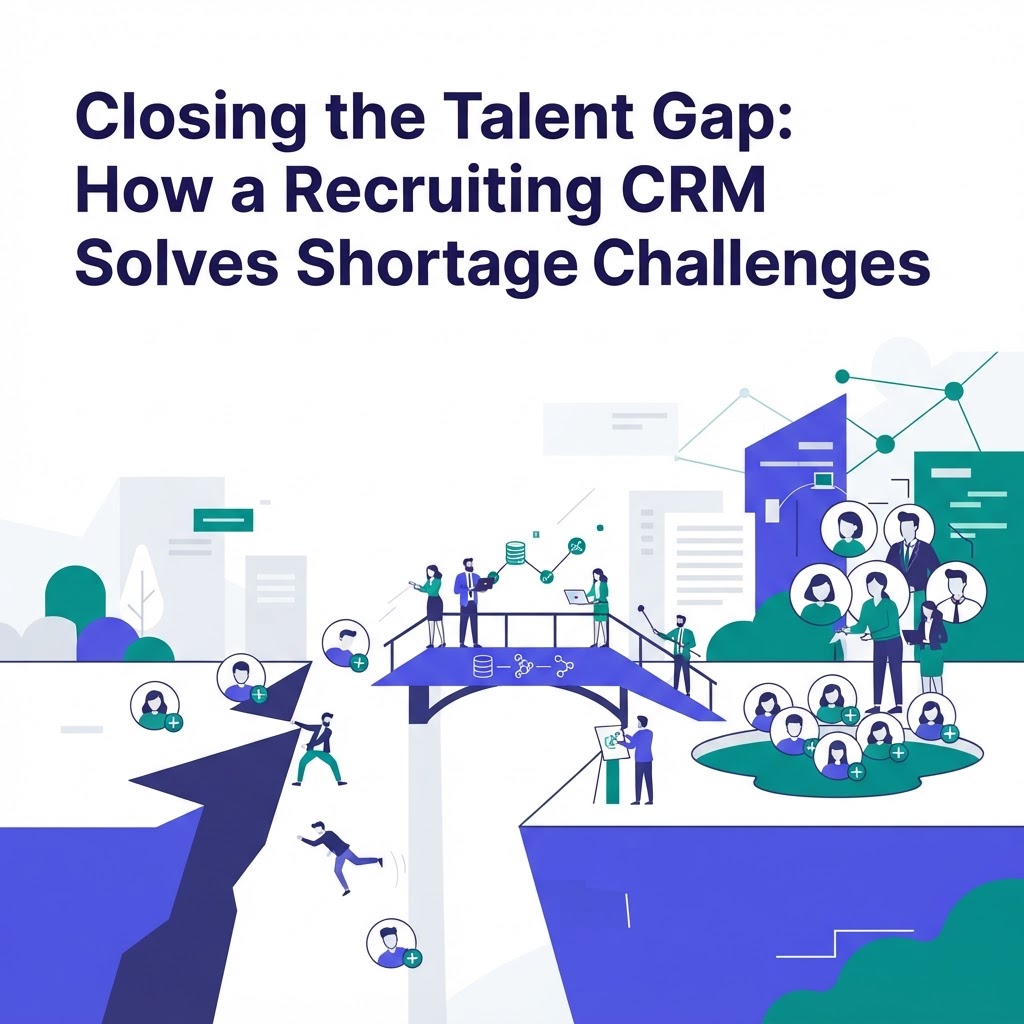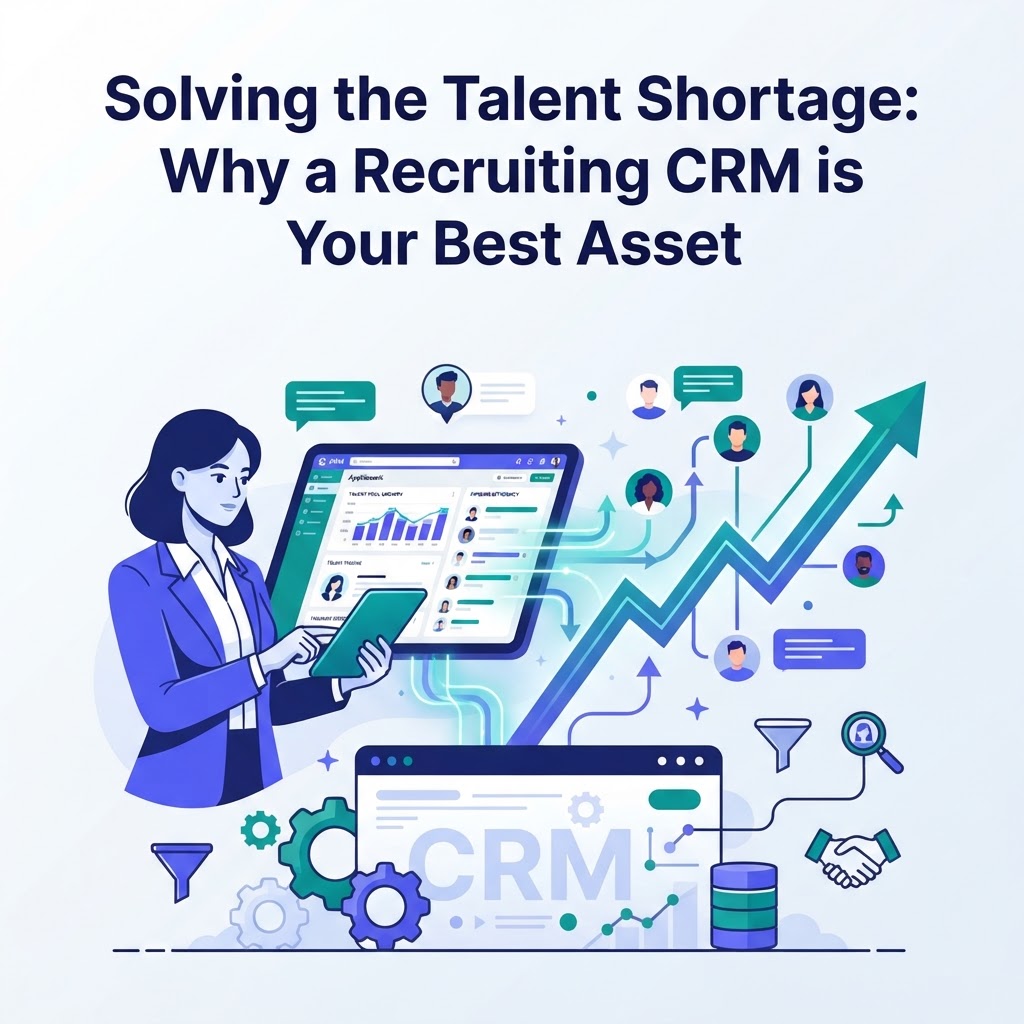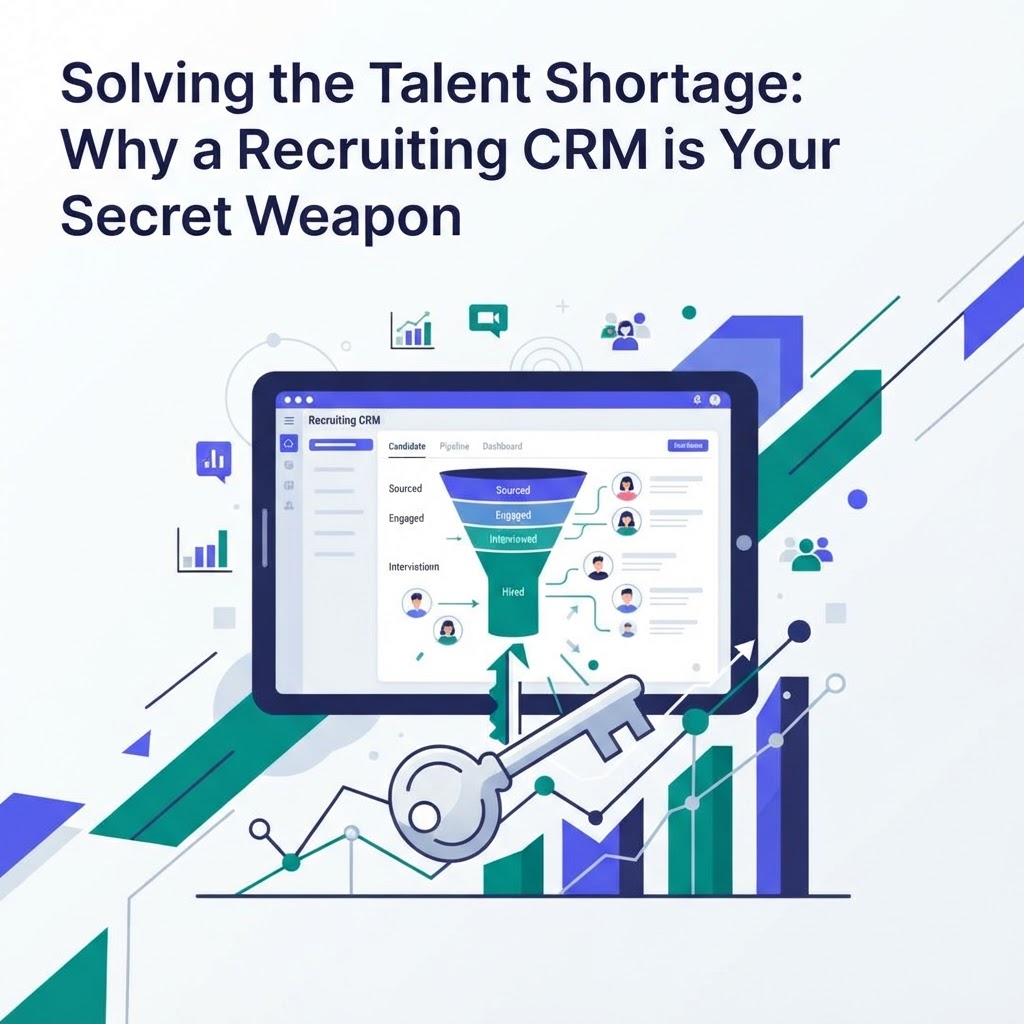
The modern recruitment landscape has transformed into a candidate-driven market where top-tier talent is rarely actively searching for new roles. With talent scarcity reaching record highs, businesses that rely solely on reactive job postings are finding their pipelines empty. This shift means that the ability to identify, engage, and nurture passive candidates is no longer just a competitive advantage; it is a business necessity for survival.
The High Cost of Lost Talent
Many organizations suffer from "recruitment amnesia." You might have interviewed a stellar candidate two years ago who wasn't the right fit at the time, or perhaps you had a promising lead reach out via LinkedIn, only for that contact to slip through the cracks of a messy spreadsheet or an outdated email inbox. When you lack a centralized system to track these interactions, you are essentially throwing money away. Every time a role opens, you are starting your search from scratch instead of tapping into a pre-existing pool of vetted, warm candidates.
Moving from Reactive to Proactive Sourcing
Proactive sourcing requires a fundamental shift in mindset. Instead of waiting for applicants to pour into an ATS, recruiters must treat potential hires like prospective clients. This is where a recruiting CRM like RecruiterCRMFlow becomes essential. By maintaining a living database of candidate profiles—complete with engagement history, notes from past conversations, and skill updates—your team can engage with talent before they are even actively looking. Proactive sourcing reduces the time-to-fill by an average of 40% because you are working with individuals who already have a baseline level of familiarity with your brand.
Centralizing Data to Prevent Information Silos
Data fragmentation is the silent killer of recruitment efficiency. When candidate data is scattered across personal notes, email threads, and fragmented Excel trackers, your team loses hours of productivity trying to piece together a coherent history. RecruiterCRMFlow acts as the single source of truth. By centralizing communication, you ensure that every team member has access to the same context. If a candidate emails one recruiter about a salary preference, the rest of the team knows it immediately, preventing embarrassing, redundant questions and improving the overall candidate experience.
Automating Nurture Campaigns for Passive Candidates
Engaging passive candidates is a marathon, not a sprint. A single "are you interested?" email is rarely enough to convert a high-performing professional. You need a systematic nurture strategy. Recruiting CRMs allow you to automate personalized touchpoints, such as:
- Sending industry-specific news or company whitepapers to keep your brand top-of-mind.
- Scheduling automated check-ins with candidates who were interviewed in the past.
- Triggering alerts when a candidate’s skills align with a newly opened requisition.
By staying in consistent contact without manual effort, you build the trust required for candidates to eventually say 'yes' when the timing is finally right.
Measuring What Matters to Optimize Success
Without a CRM, you are flying blind. How do you know which sourcing channels provide the best quality of hire? How do you know how long a candidate stays in the 'warm lead' stage before dropping off? RecruiterCRMFlow provides deep analytics that allow you to track conversion rates at every stage of the talent funnel. By analyzing these metrics, you can identify bottlenecks in your process and reallocate your budget toward the channels that actually yield results, rather than guessing where your next hire will come from.
Conclusion: Building a Talent Pipeline for the Future
The talent shortage isn't going away, but it is solvable for those willing to modernize their approach. By leveraging a dedicated recruiting CRM to maintain relationships, centralize data, and automate nurturing, your business can turn a sparse talent market into a consistent stream of qualified hires. Stop losing top talent to inefficient processes and start building a sustainable competitive advantage today.