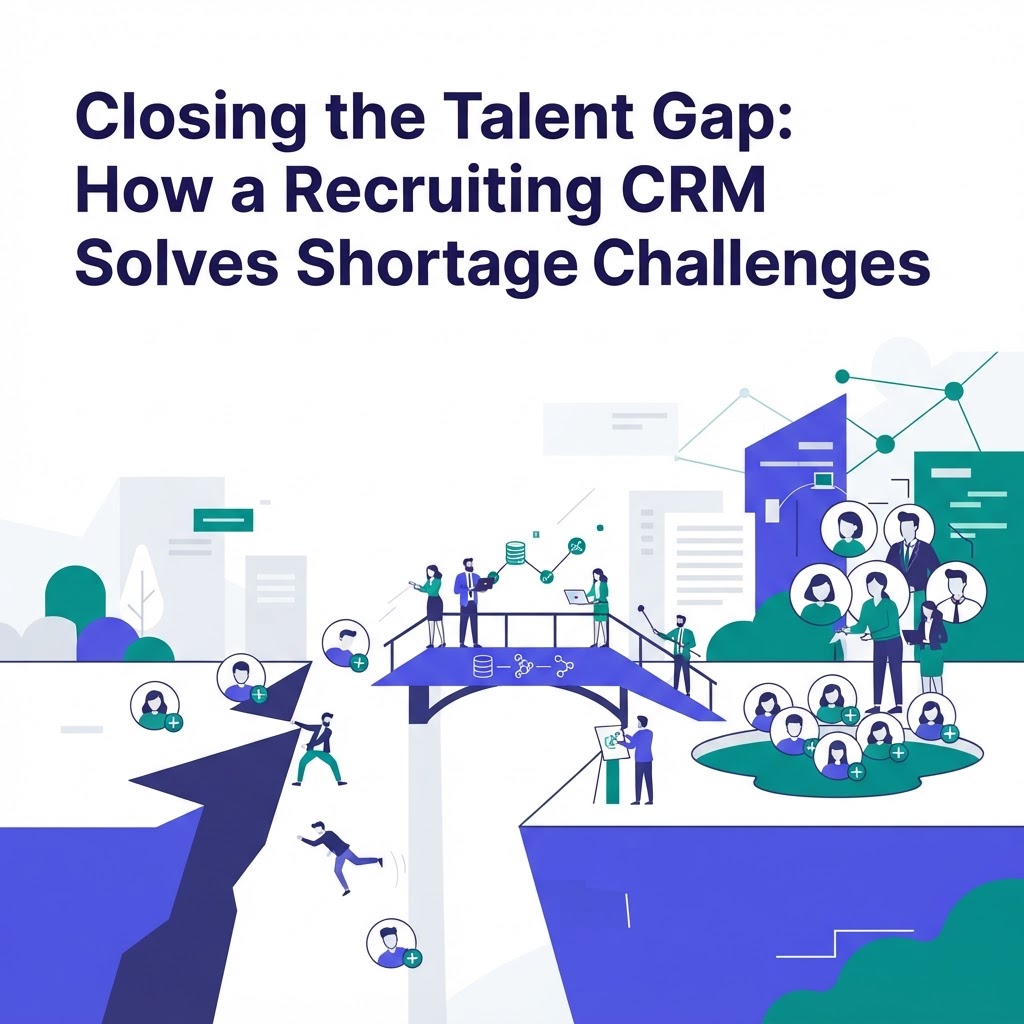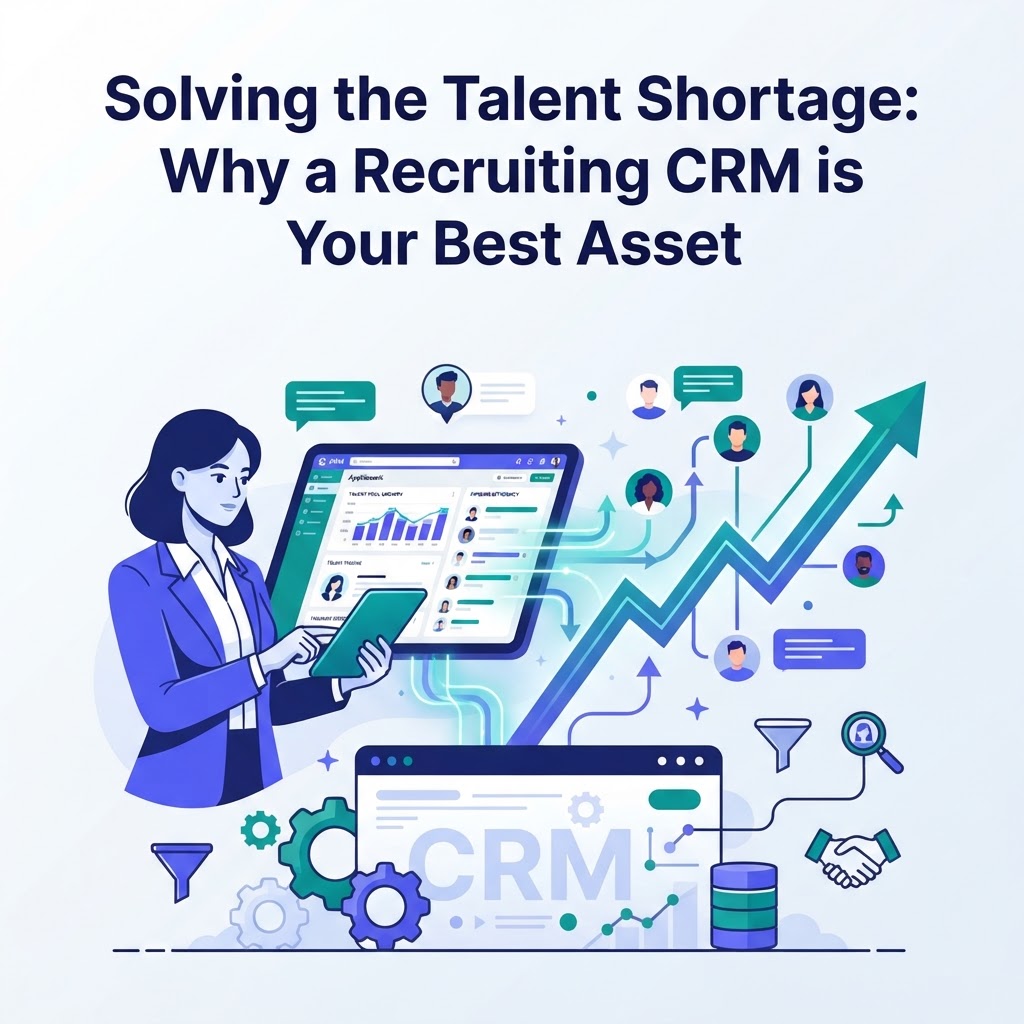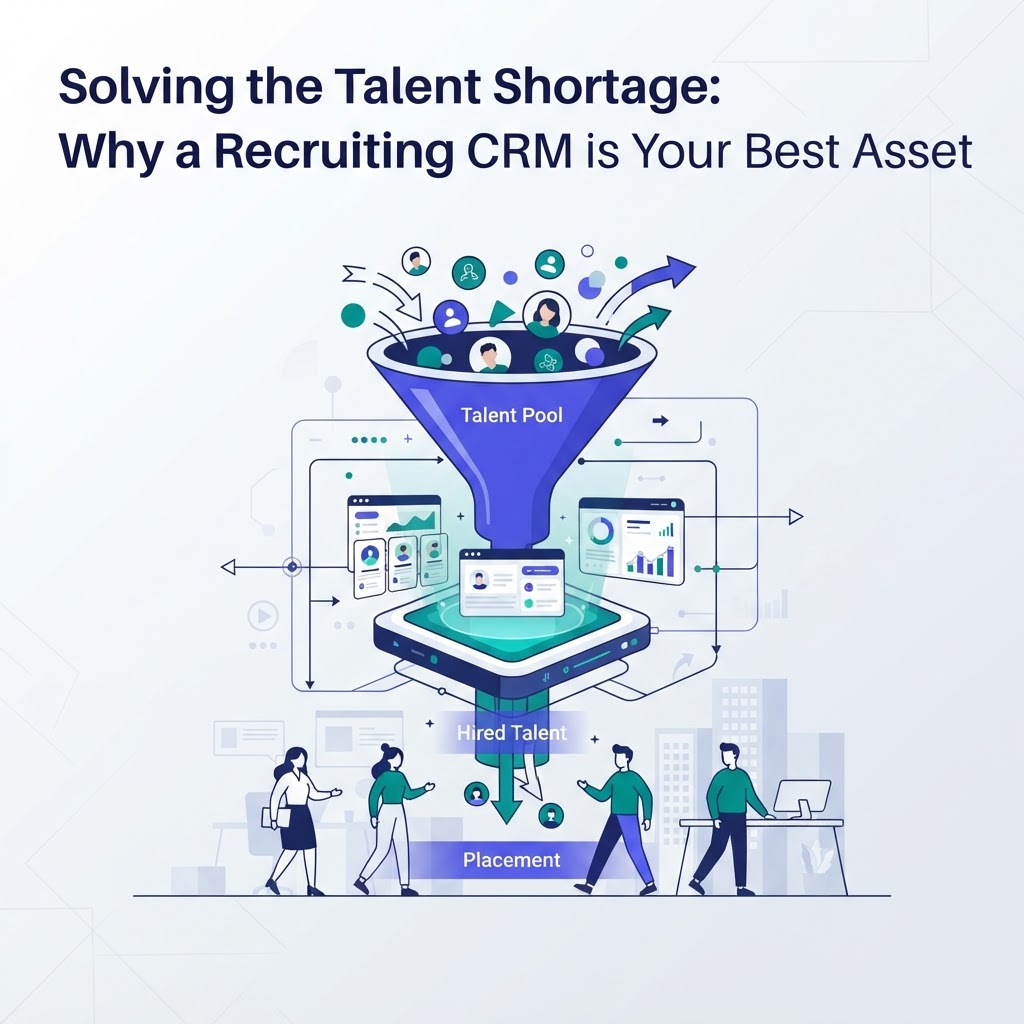
The modern labor market is defined by a paradox: while job boards are flooded with applications, top-tier talent remains elusive and increasingly difficult to attract. Businesses are facing a sustained talent shortage that has turned hiring into a war of attrition. Traditional reactive hiring—posting a job and waiting for applicants—is no longer a viable strategy for high-growth firms. Instead, success now depends on proactive sourcing and the ability to nurture long-term relationships with potential candidates.
The High Cost of Lost Talent
Many organizations suffer from a "leaky bucket" syndrome. Recruiters spend countless hours hunting for talent on LinkedIn, attending industry events, and scanning CV databases, only to lose touch with these candidates months later. Without a central repository to track these interactions, you are essentially starting from scratch every time a new role opens. Research suggests that the cost of an unfilled position can exceed three times the salary of the role due to lost productivity and team burnout. When your candidate data lives in disparate spreadsheets or buried in email threads, you are leaving significant ROI on the table.
Building a Proactive Talent Pipeline
A recruiting CRM acts as the engine for proactive sourcing. Unlike a standard applicant tracking system (ATS) that only focuses on active job seekers, a CRM like RecruiterCRMFlow allows you to manage "silver medalists"—those highly qualified candidates who just missed the cut for a previous role. By maintaining a structured database, you can categorize these individuals by skill set, industry, and readiness. This approach turns a static list into an active talent pipeline that you can nurture through automated outreach and personalized engagement campaigns.
Data-Driven Engagement Strategies
To bridge the talent gap, businesses must stop treating candidates like transaction numbers and start treating them like clients. A CRM empowers your team to deploy targeted communication strategies:
- Segment your candidate database by specific technical skills or cultural fit.
- Use automated follow-up sequences to keep your brand top-of-mind for passive talent.
- Track engagement metrics such as email open rates and link clicks to identify who is most interested in a potential move.
- Personalize outreach based on past interactions documented in the platform.
By leveraging these data points, your recruiters can move from cold calling to warm introductions, significantly increasing your conversion rates from initial outreach to interview.
Centralizing Your Hiring Intelligence
One of the greatest bottlenecks in recruitment is information silos. When team members work independently, duplicate outreach is inevitable, which creates a poor candidate experience. RecruiterCRMFlow provides a single source of truth for every interaction. Whether it is a note from a networking event or a feedback form from an interview three years ago, having this historical context at your fingertips allows for a seamless, professional experience. This level of organization not only saves time but also builds your reputation as a top-tier employer who values relationships.
Achieving Operational Efficiency
Speed is a competitive advantage in a tight labor market. When the perfect candidate finally enters the market, you must be ready to engage them immediately. A recruiting CRM automates the administrative heavy lifting—scheduling interviews, sending reminders, and updating candidate statuses. By reducing manual data entry by up to 40%, your team can refocus their energy on high-value activities: building rapport, assessing cultural alignment, and closing top candidates. This shift in focus is what differentiates industry leaders from those perpetually struggling to fill seats.
Conclusion: Future-Proofing Your Hiring
The talent shortage is not merely a supply issue; it is a communication and relationship management challenge. By moving away from reactive job posting and adopting a CRM-first approach with RecruiterCRMFlow, your business can build an sustainable competitive advantage. Invest in the technology that allows you to cultivate your talent pool today, and you will find that the best candidates are already waiting in your own database when you need them most.