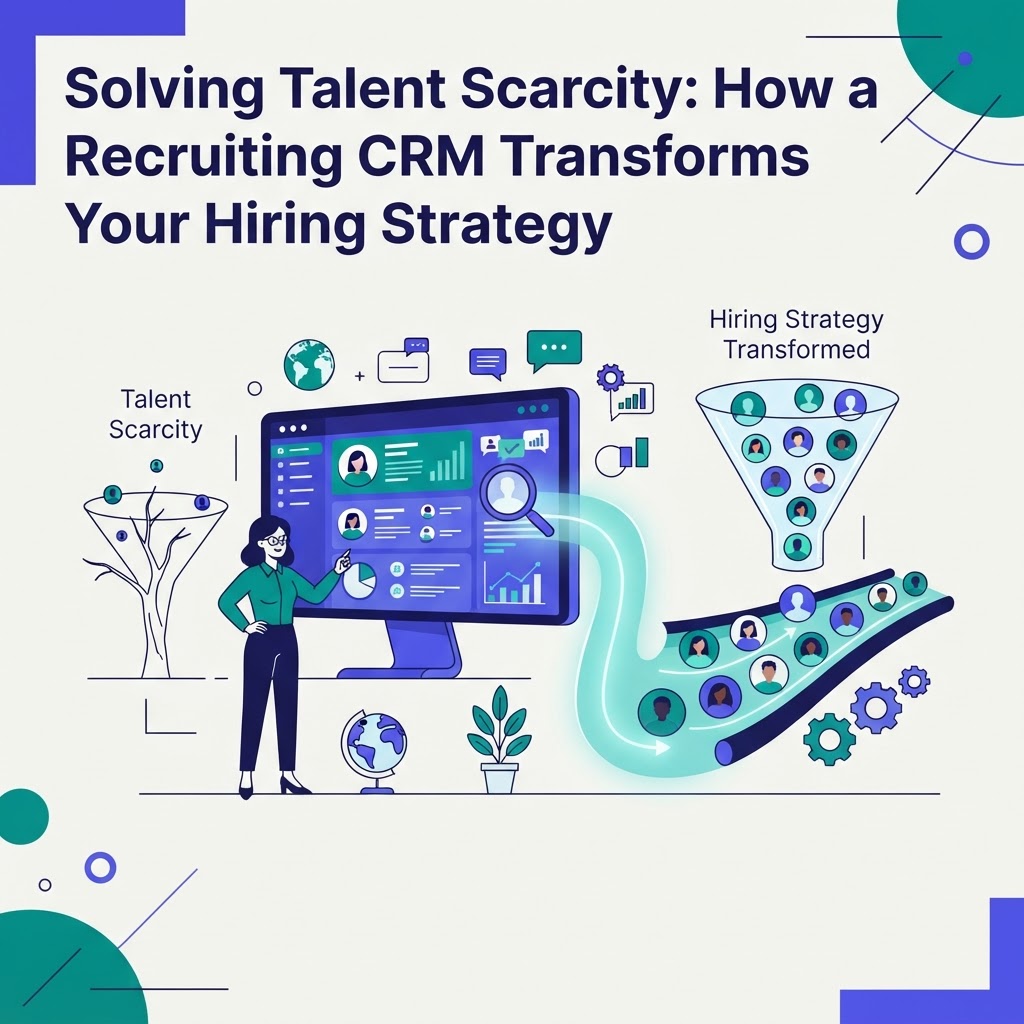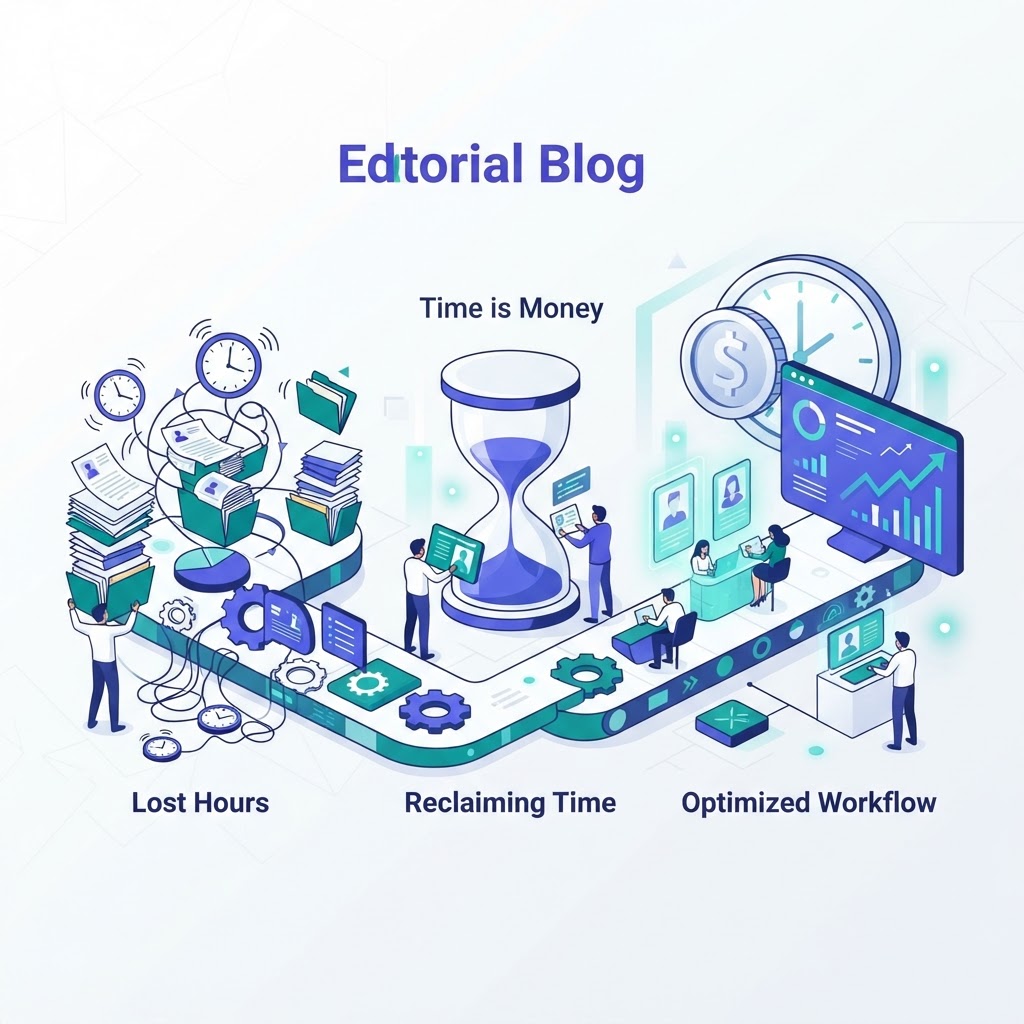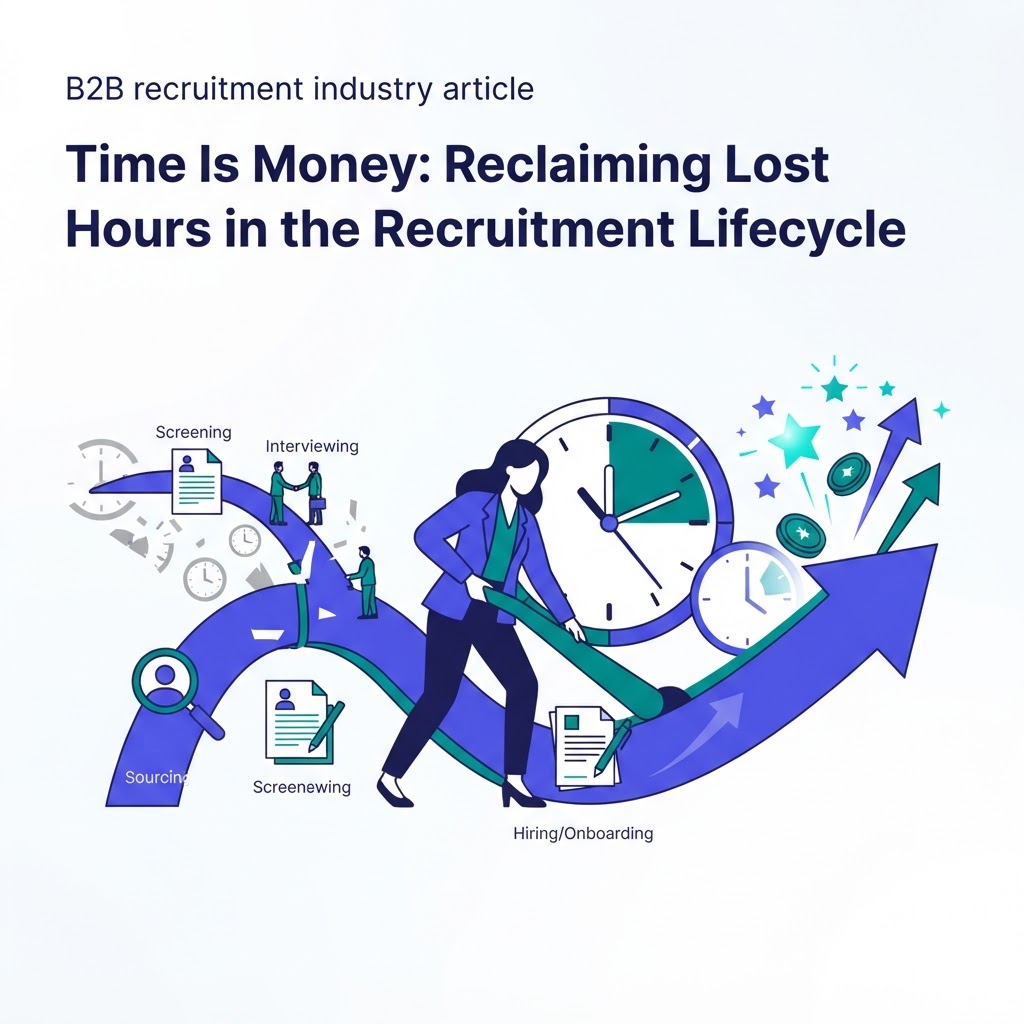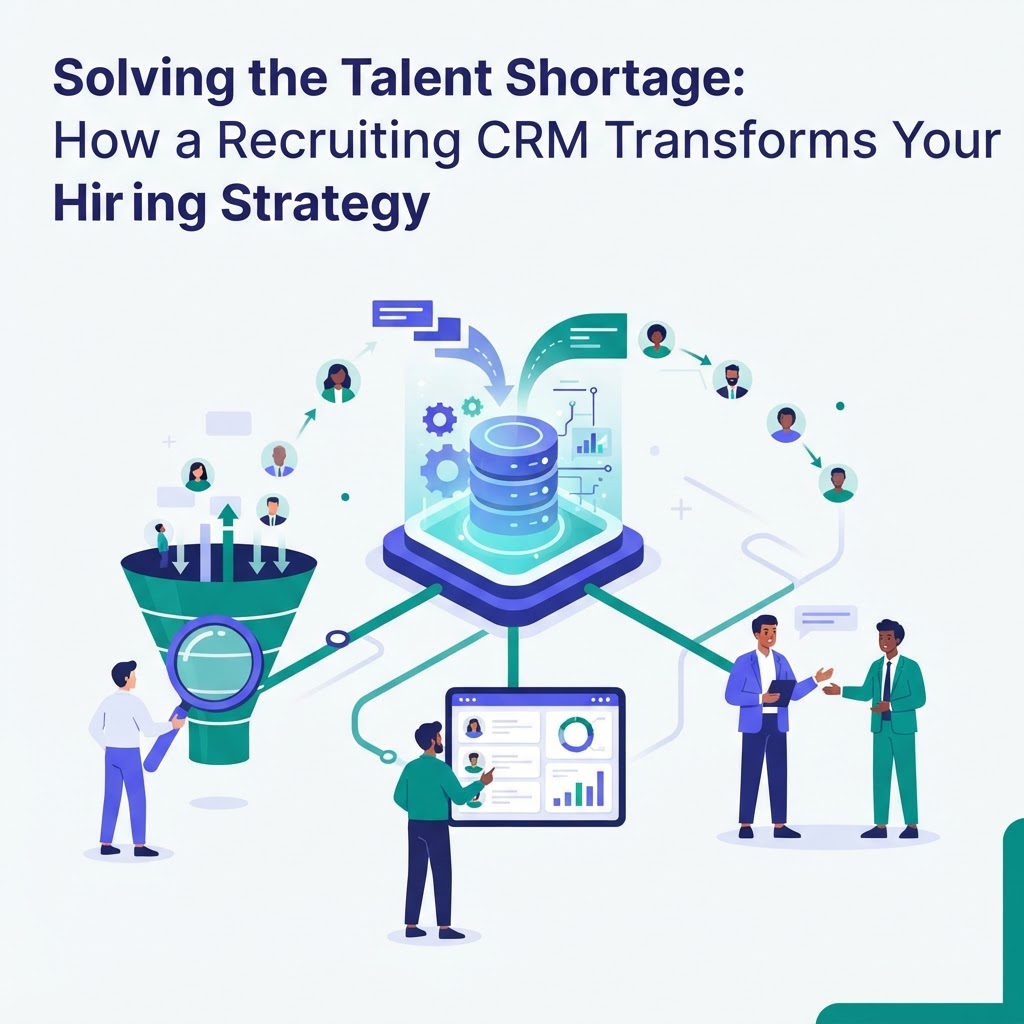
The modern labor market is defined by a paradox: while unemployment rates fluctuate, high-quality talent remains increasingly elusive. Recruiters are constantly battling a persistent talent shortage, yet they often overlook the most valuable asset already in their possession—their own database of past candidates. When you treat recruitment as a reactive "post-and-pray" process, you are essentially discarding years of networking and engagement. To solve the talent shortage, businesses must shift from reactive hiring to proactive relationship management.
The Cost of the "Lost Candidate" Problem
Most organizations suffer from fragmented data. A candidate applies, receives a rejection, and their information is tucked away in a spreadsheet or a legacy system that lacks automation. Research suggests that up to 70% of candidates who apply to a company are never contacted again, even if they were qualified for future roles. This represents a massive waste of resources. By failing to nurture these relationships, you are forcing your recruiting team to restart the expensive "top-of-funnel" sourcing process every single time a new role opens. A robust recruiting CRM like RecruitingCRMFlow solves this by centralizing every interaction, ensuring that high-potential candidates remain visible and engaged even when they are not currently active on the market.
Building a Proactive Sourcing Engine
Proactive sourcing requires a strategic approach that mimics sales outreach. Top-performing recruiters treat candidate data with the same intensity as a sales team treats leads. When you utilize a specialized CRM, you can categorize your talent pool by skill sets, industry experience, and engagement levels. Instead of starting from zero, your team can filter for candidates who expressed interest in your company six months ago but weren't the right fit at that time. This shortens the time-to-hire significantly and drastically reduces cost-per-hire. RecruitingCRMFlow allows you to automate these touchpoints, ensuring that your employer brand stays "top of mind" without requiring manual intervention for every single contact.
Data-Driven Decision Making in Recruiting
One of the primary drivers of the talent shortage is the inability to track where the best hires are actually coming from. Without a CRM, recruitment becomes a guessing game. By implementing an ATS integrated with a CRM, you gain access to comprehensive reporting metrics. You can analyze which channels yield the highest "quality of hire" and which sourcing campaigns are actually converting. With this level of visibility, you can shift your budget away from underperforming job boards and invest it where it actually drives results. A data-centric approach means you aren't just reacting to a shortage—you are anticipating it by building a talent pipeline that is ready to deploy the moment a business need arises.
Nurturing Talent Through Automated Workflows
Candidate experience is the bedrock of successful hiring in a tight market. If a candidate feels ignored, they will simply move to a competitor who responds faster. Automating your communication ensures that no candidate falls through the cracks, regardless of the volume of applicants. RecruitingCRMFlow enables personalized nurture sequences that keep prospective hires informed about your company culture, new project wins, and internal growth opportunities. This creates a "warm" pool of talent. When you do have an opening, you aren't cold-calling strangers; you are reaching out to individuals who are already familiar with your value proposition.
Why Spreadsheets Are Killing Your Pipeline
If your recruiting team is still relying on Excel or static documents to manage candidate relationships, you are effectively operating with a blindfold. Spreadsheets cannot automate follow-ups, they do not track sentiment, and they certainly cannot alert you when a previously interested candidate changes their LinkedIn status to "open to work." A dedicated CRM transforms your recruiting operations into a streamlined engine. By consolidating your candidate history into a single, searchable, and actionable platform, you move from being an administrator to being a talent strategist. Don't let your best talent slip away—leverage technology to build a pipeline that turns the talent shortage into an opportunity for competitive growth.