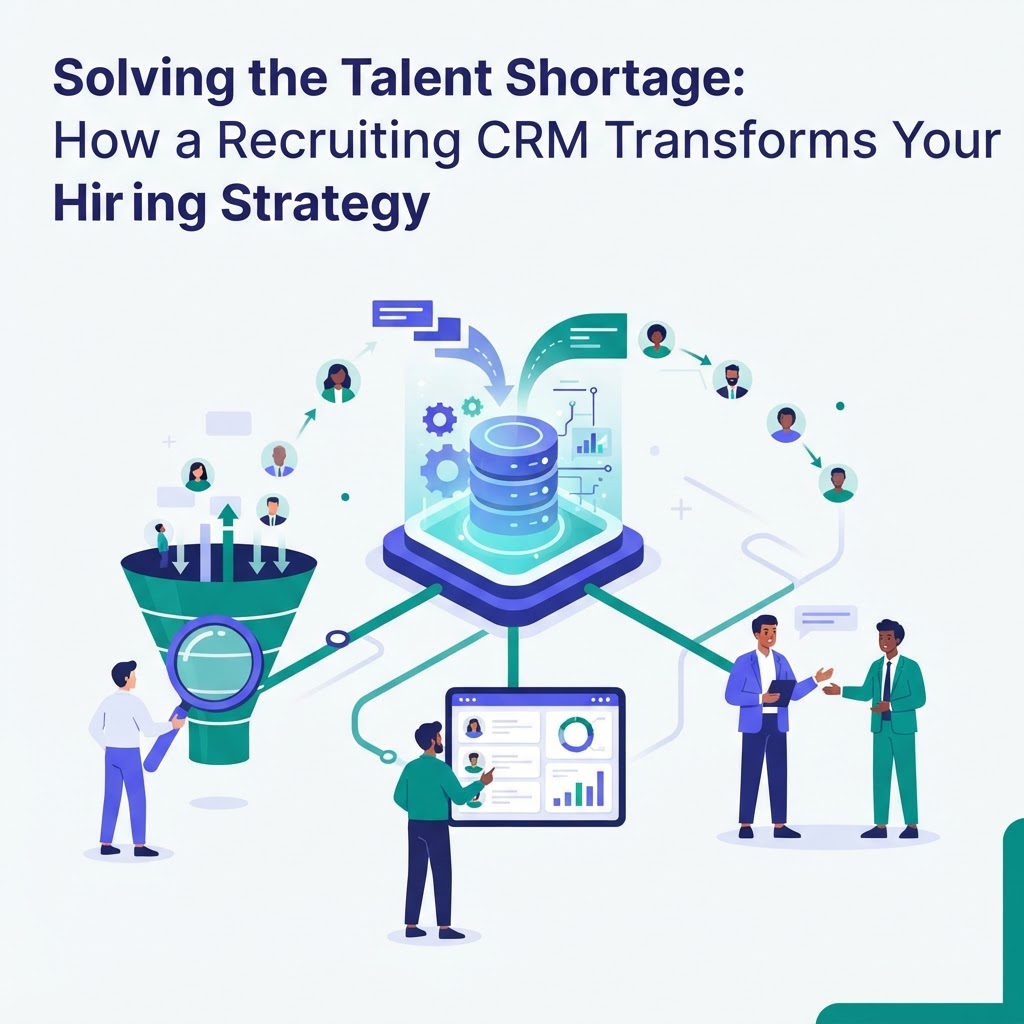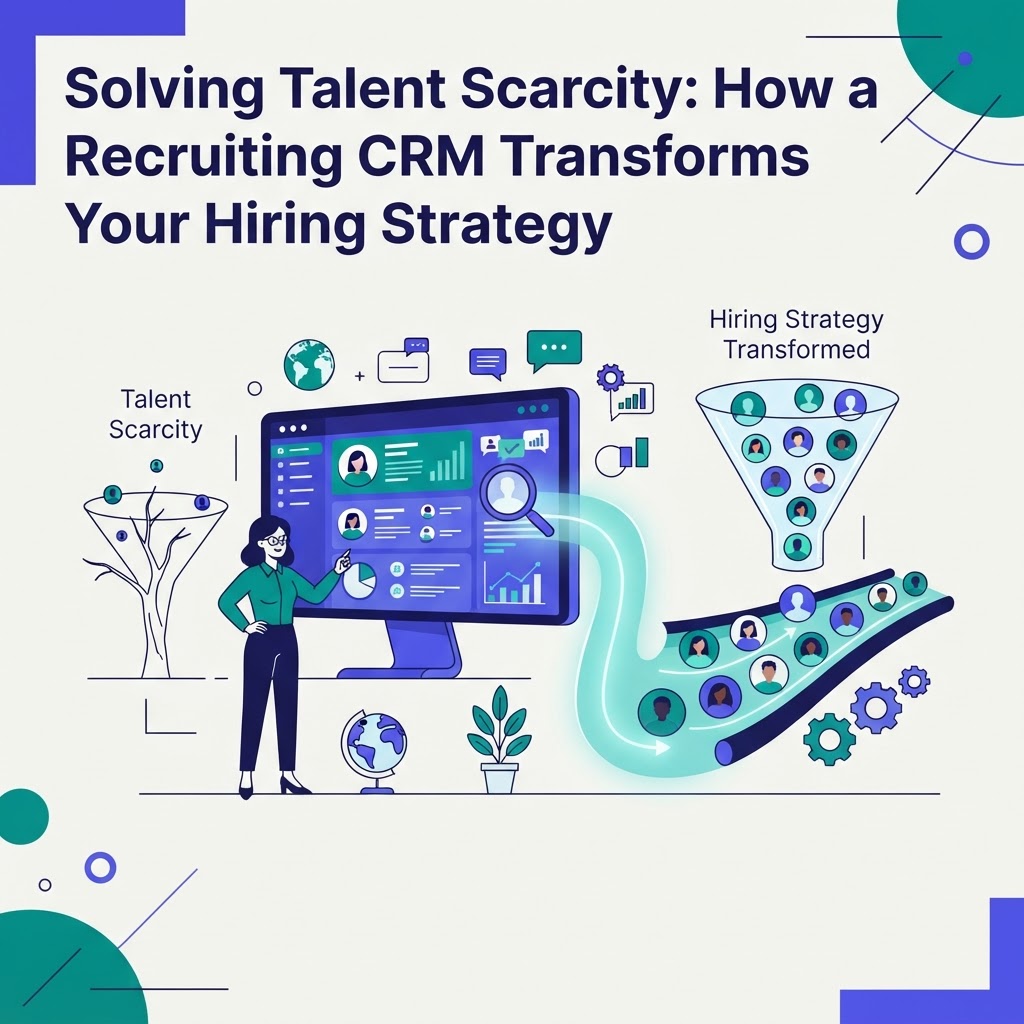
The modern labor market is defined by a paradox: while unemployment rates fluctuate, high-quality talent remains consistently difficult to secure. Businesses are no longer just competing for applicants; they are competing for attention in an era where top-tier candidates are rarely actively looking for work. When your hiring process relies on reactive methods like posting to job boards and praying for resumes, you lose the war for talent before it begins. To combat this scarcity, companies must shift from transactional hiring to relationship-based recruiting.
Moving Beyond Reactive Job Board Posting
Traditional job boards are saturated with unqualified traffic, costing recruiters countless hours of manual filtering. Industry data suggests that over 70% of the workforce consists of passive candidates who are not scanning job boards daily. If your strategy relies on these channels, you are only reaching the 30% who are actively searching. This narrow window limits your talent pool and increases your time-to-fill, often leading to costly empty seats that impact organizational productivity. By integrating a platform like RecruitingCRMFlow, you can shift your focus toward identifying top talent before a specific role even opens.
The CRM Advantage in Proactive Sourcing
A recruiting CRM is not merely a database; it is a strategic engine for talent acquisition. Unlike a static ATS that stores information only when someone applies, a CRM acts as a living ecosystem. It allows you to nurture leads over months, keeping your employer brand top-of-mind. With RecruitingCRMFlow, you can segment your talent pools by skill set, industry, or seniority. This allows for automated, personalized outreach that makes a candidate feel like a priority rather than a name in a spreadsheet. When you nurture these relationships, you build a bench of talent that is ready to engage when a role eventually becomes available.
Reducing Lost Opportunities Through Centralization
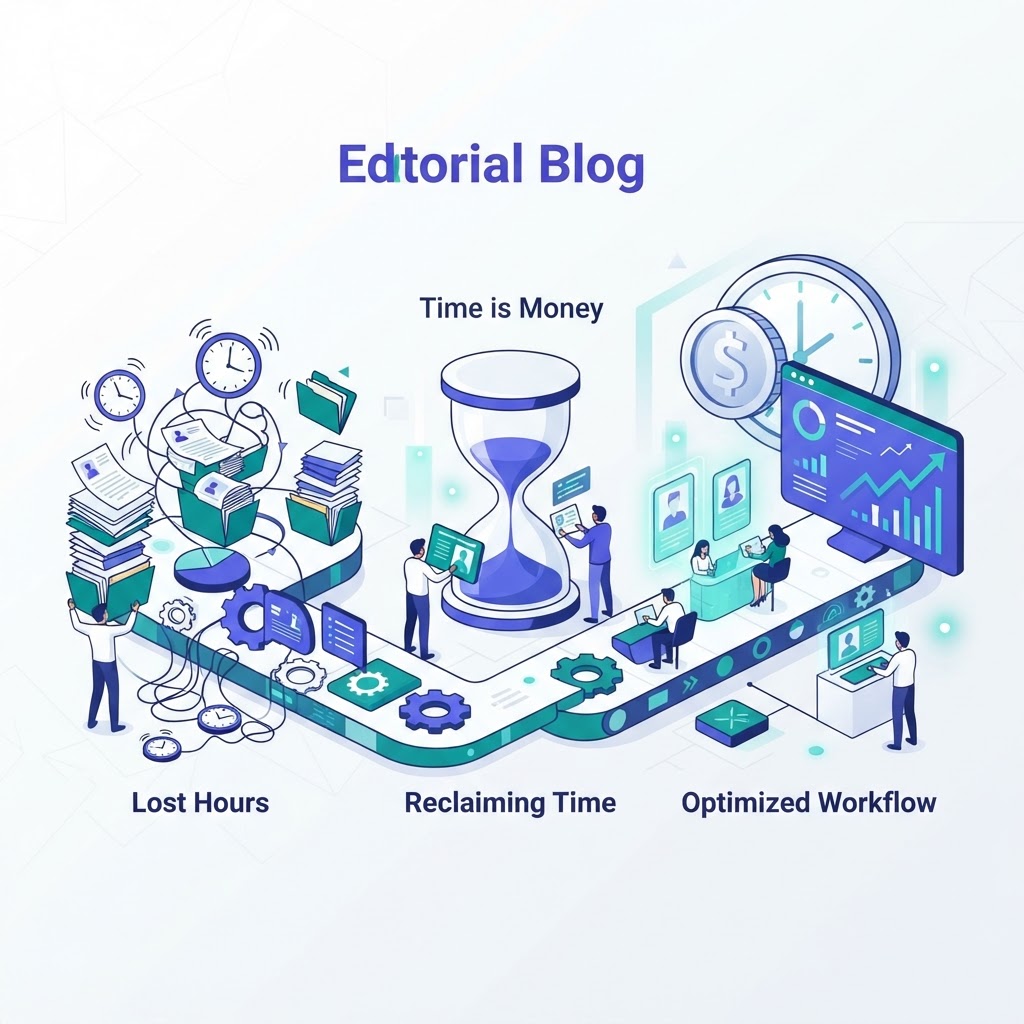
One of the most silent killers of recruitment efficiency is the loss of contact information and interaction history. Without a unified system, valuable candidates are forgotten in email threads, LinkedIn messages, or disconnected spreadsheets. If a recruiter leaves the company, they often take their "black book" of contacts with them. RecruitingCRMFlow solves this by centralizing every interaction. Whether a candidate was sourced through a referral, an event, or a cold outreach campaign, every touchpoint is recorded. This continuity ensures that your agency or internal team maintains a historical narrative with every high-potential individual, preventing the need to reinvent the wheel every time a new vacancy emerges.
Leveraging Data to Optimize Hiring Cycles
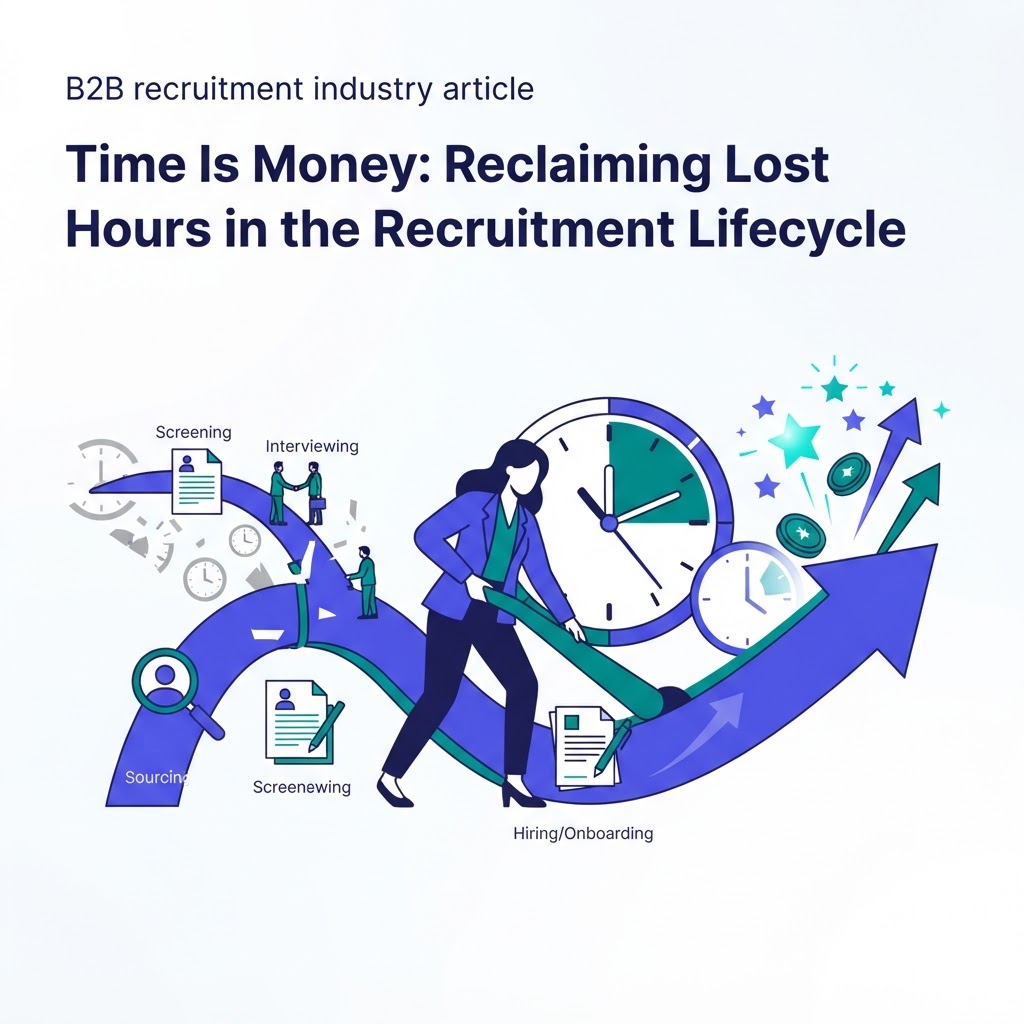
Talent scarcity requires precision, not just volume. You cannot improve what you do not measure. A robust recruiting CRM provides deep analytics into your pipeline health. By tracking metrics such as "source-to-hire" ratios, email open rates, and time spent in each pipeline stage, you can identify exactly where your process breaks down. If your outreach to passive software engineers is failing, a CRM helps you test different messaging strategies and track the results in real-time. With RecruitingCRMFlow, data-backed decisions replace guesswork, allowing you to iterate on your strategy to attract the specific talent your business needs to grow.
Transforming Candidate Experience into Employer Brand
In a market where talent is scarce, the candidate experience is your greatest competitive differentiator. Talented professionals have multiple offers; they choose the organization that communicates clearly, respects their time, and handles their application with professionalism. A CRM allows you to automate follow-ups, schedule interviews seamlessly, and provide timely feedback. By automating the administrative burden, RecruitingCRMFlow frees up your recruiters to do what they do best: build genuine, human connections. When candidates feel valued through a structured, transparent process, they are far more likely to accept an offer and become long-term employees.
Conclusion: Future-Proofing Your Talent Pipeline
Solving the talent shortage is not about working harder with the same outdated tools; it is about working smarter with technology designed for modern relationship management. By adopting a proactive mindset and utilizing a platform like RecruitingCRMFlow, businesses can build a sustainable pipeline that thrives regardless of market volatility. Stop letting top talent slip through the cracks and start building a recruitment machine that attracts, engages, and hires the best people in your industry.