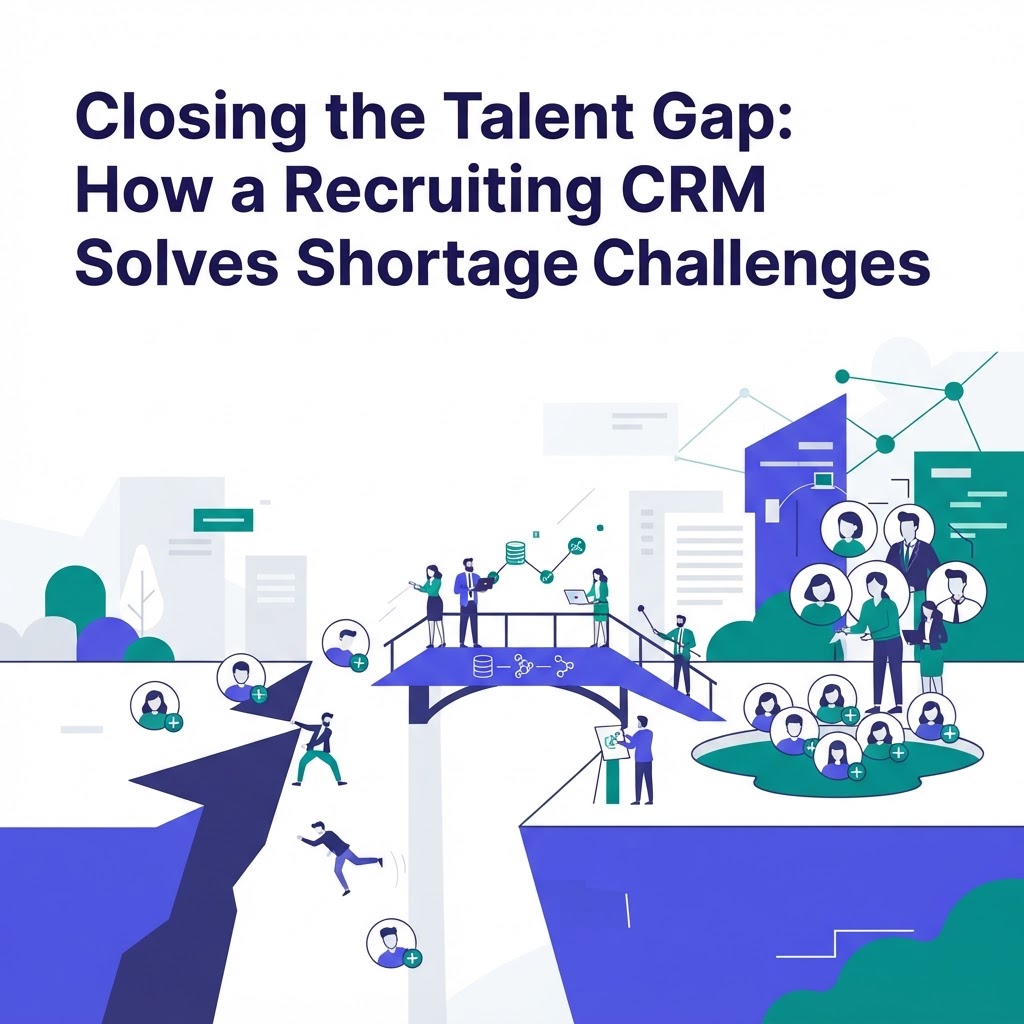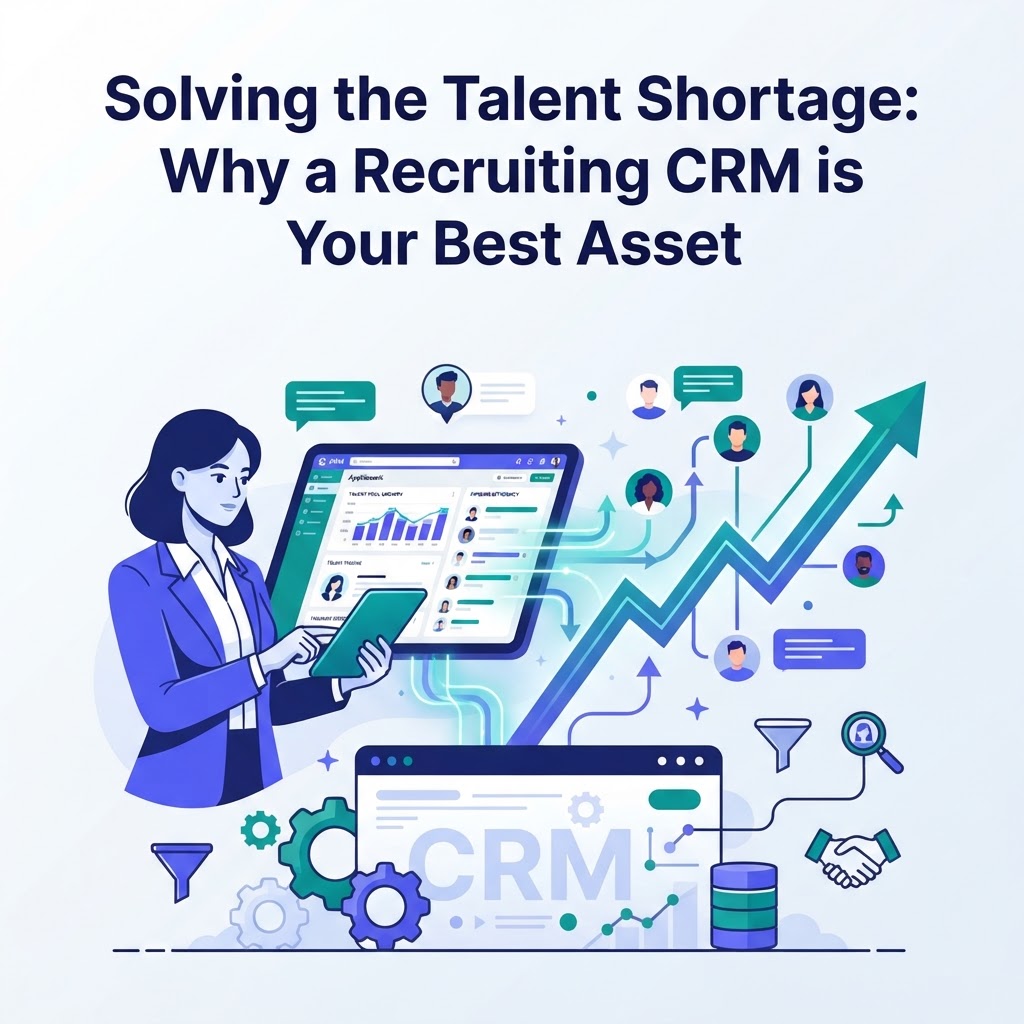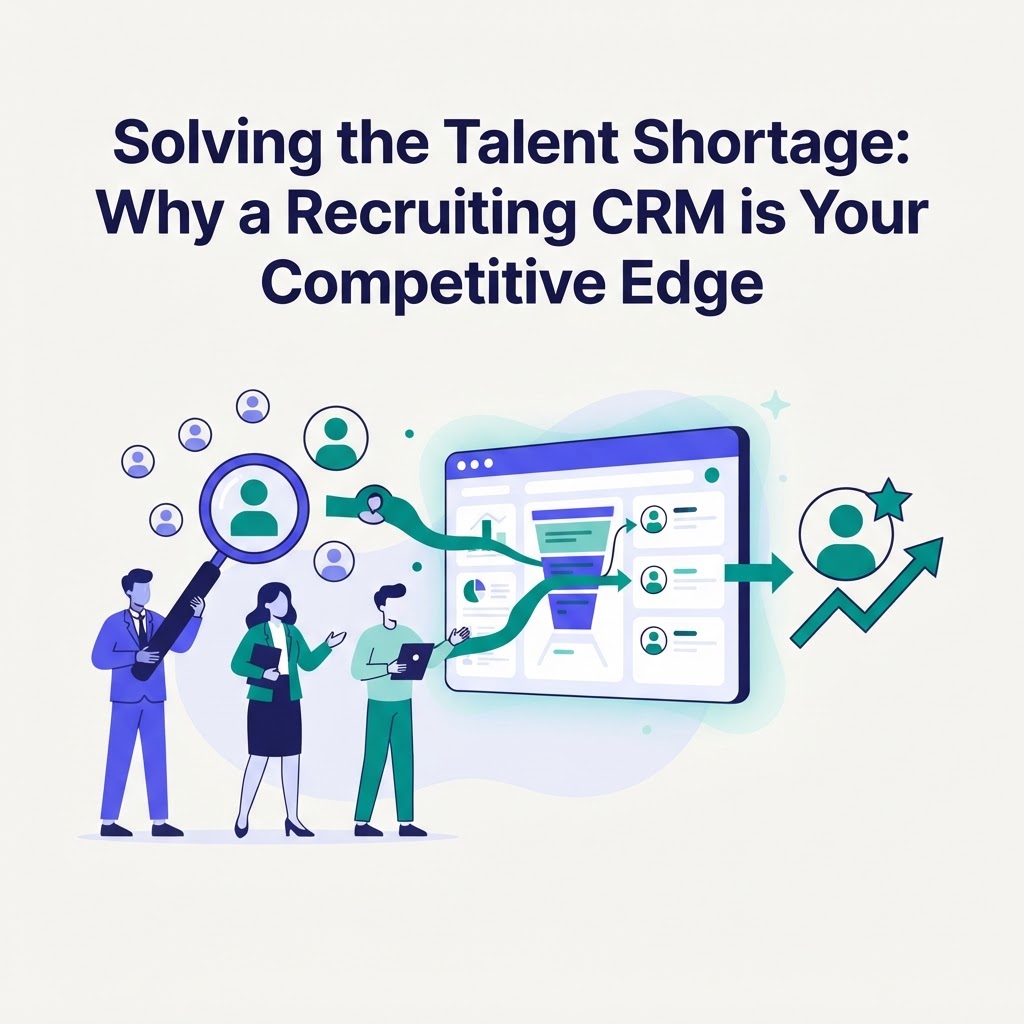
The modern labor market is characterized by a persistent talent shortage, leaving many businesses struggling to fill critical roles. While the macro-economic factors are complex, the internal failure to manage candidate relationships is often the culprit for prolonged vacancies. When your hiring strategy relies on reactive job board postings, you are essentially fishing in a shrinking pond. To survive in today's economy, organizations must shift from transactional hiring to proactive, relationship-based recruitment.
Moving from Reactive to Proactive Sourcing
Reactive recruiting is the process of waiting for an application to hit your inbox after posting a job. In a competitive market, top-tier talent is rarely browsing job boards; they are currently employed and passive. A recruiting CRM, such as RecruiterCRMFlow, allows your team to move away from this "post and pray" method. By building a database of high-quality leads before a position even opens, you shorten the time-to-hire significantly.
- Track passive candidate engagement over months, not just days.
- Use automated workflows to nurture candidates with company updates.
- Identify "silver medalist" candidates from previous searches to fill new vacancies instantly.
Preventing the Leakage of Top Talent
Many recruiters treat candidates like one-off interactions—an email is sent, a call is made, and if it doesn't result in an offer, the contact is forgotten. This is a massive waste of recruitment ROI. Every conversation you have with a high-potential candidate is a data point that should be stored in your CRM. Without a centralized system, institutional knowledge disappears when a recruiter leaves, and you lose years of networking effort.
RecruiterCRMFlow acts as a single source of truth. By housing every email, note, and call log in one platform, you ensure that no talent falls through the cracks. Even if a candidate is not ready for a move today, your CRM ensures they remain on your radar for when their situation changes, turning a "no" into a "not right now."
Enhancing Candidate Experience through Personalization
In a talent-short market, candidates hold the leverage. If your recruitment process feels impersonal or disorganized, they will withdraw their application in favor of a competitor who communicates effectively. A recruiting CRM enables you to deliver a premium candidate experience through personalization. You can segment your talent pool based on skills, seniority, or industry interest, sending tailored content that resonates with their specific career goals.
- Send automated, personalized check-ins to candidates at key intervals.
- Maintain a consistent brand voice across all touchpoints.
- Provide real-time status updates, reducing the frustration of "black hole" application cycles.
Leveraging Data to Optimize Hiring Velocity
Guesswork is the enemy of efficiency. If you do not know where your best hires come from or why candidates are dropping out of your pipeline, you cannot fix the underlying issues causing your talent shortage. RecruiterCRMFlow provides deep-dive analytics that highlight bottlenecks in your hiring process. By looking at metrics like "Time in Stage" and "Source Quality," you can focus your limited resources on the channels that actually yield results.
- Determine which sourcing channels provide the highest quality of hire.
- Track recruiter performance to identify areas needing process improvement.
- Use conversion metrics to forecast hiring needs before they become crises.
The Power of the Talent Network
Ultimately, solving the talent shortage is about building a community rather than just a hiring pipeline. Businesses that maintain active, engaged talent communities find themselves with a massive competitive advantage. Instead of begging for talent when a role opens, they have a pool of people who are already familiar with their company culture and value proposition. Implementing a recruiting CRM is the foundational step in building this sustainable advantage. It shifts your recruitment team from being administrative processors to strategic talent advisors who own the relationship lifecycle from first contact to offer acceptance.