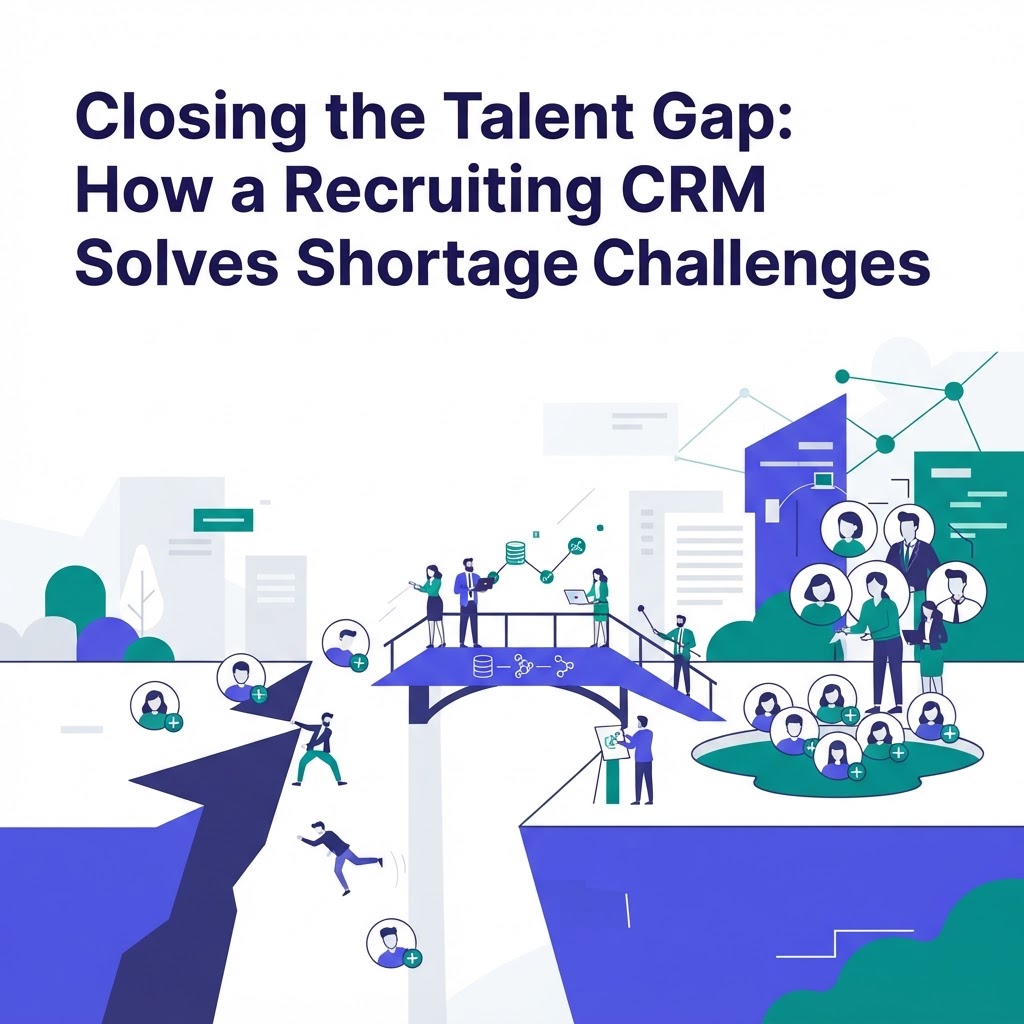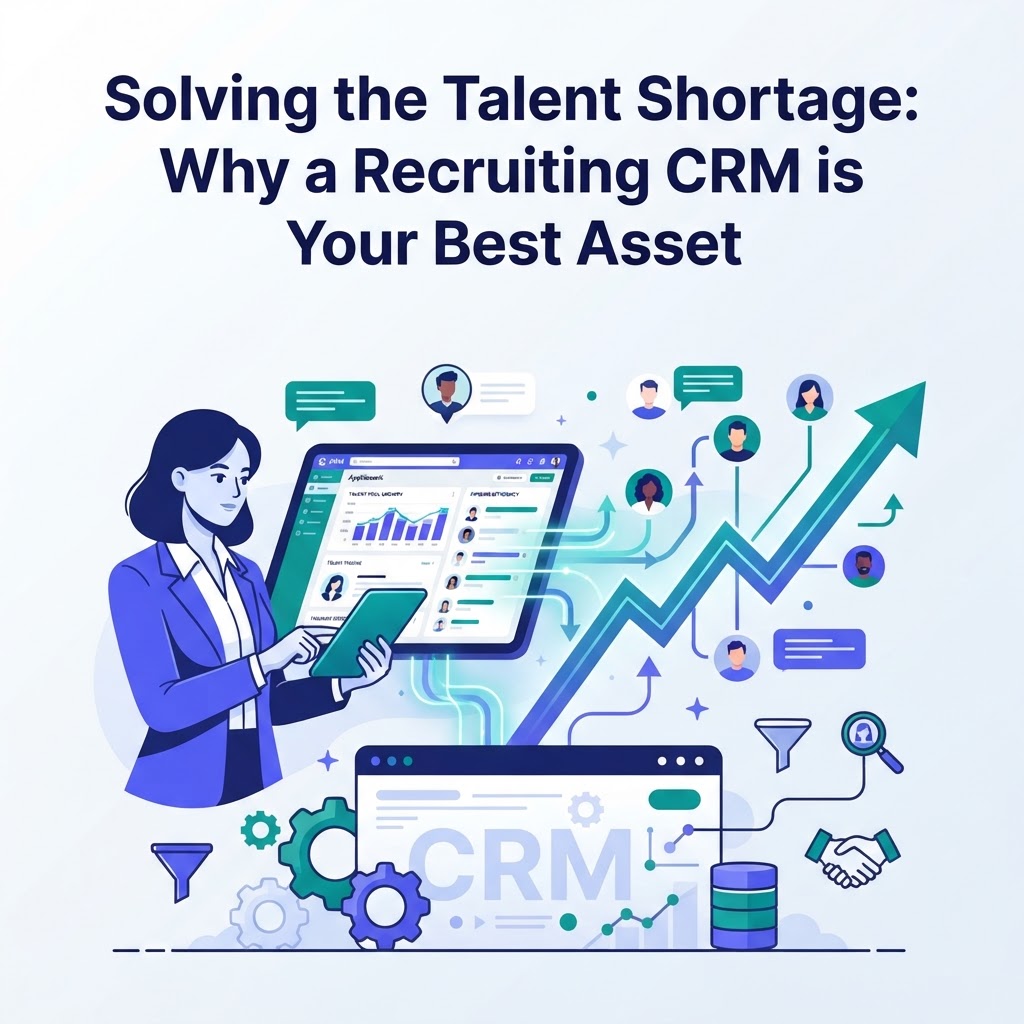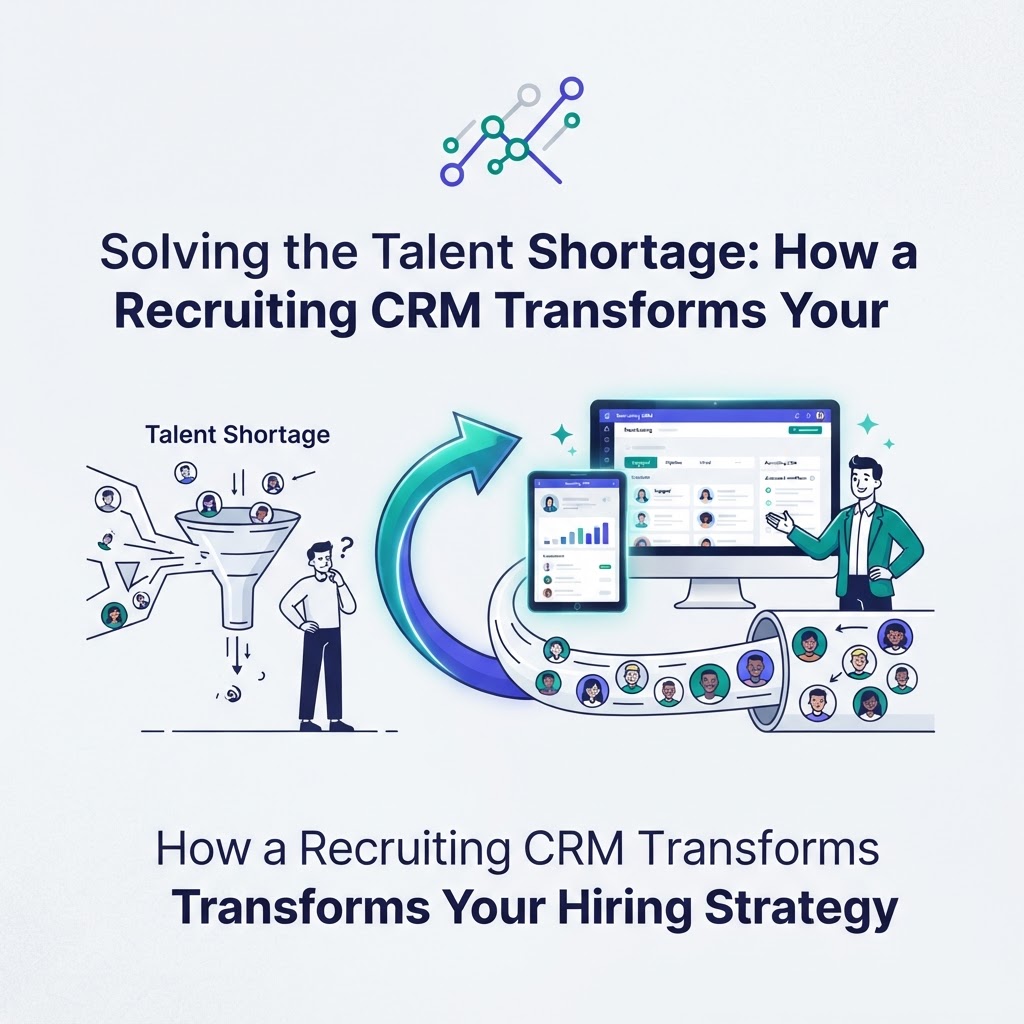
The modern labor market has shifted decisively in favor of candidates. For many organizations, the talent shortage is not merely a headline but a daily operational crisis that stalls growth and delays project timelines. When high-quality candidates become increasingly elusive, businesses that rely on manual spreadsheets or outdated applicant tracking systems inevitably fall behind. Success in this environment requires a transition from reactive job posting to a proactive, relationship-based sourcing model powered by specialized tools like RecruiterCRMFlow.
The Real Cost of Fragmented Talent Data
Many recruitment teams suffer from "data silos," where candidate information is scattered across email inboxes, LinkedIn messages, and local document folders. Without a centralized hub, recruiters waste hours hunting for contact details or context from past conversations. Research suggests that recruiters spend up to 40% of their time on administrative tasks rather than candidate engagement. When you lose visibility into your talent pool, you lose the opportunity to re-engage past applicants who might be ready for a new challenge today. This loss of institutional memory is a primary driver of the talent shortage.
Shifting to Proactive Sourcing
Proactive sourcing means building a pipeline before a vacancy even opens. Instead of waiting for a job board notification, high-performing firms use a recruiting CRM to nurture passive candidates over months or years. A platform like RecruiterCRMFlow allows you to categorize your leads by skill set, industry, and readiness. By automating personalized touchpoints, you ensure your company stays top-of-mind for top-tier talent. Consider the following advantages of a proactive approach:
- Reduced time-to-fill by accessing an existing, warmed-up talent pool.
- Higher conversion rates through personalized, multi-channel communication.
- Improved candidate experience as prospective hires feel valued and known.
Centralizing Candidate Relationships
At the core of the talent shortage is a lack of sustained relationship management. A recruiting CRM treats candidates like customers in a sales funnel. With RecruiterCRMFlow, every interaction—be it a phone call, email, or meeting—is logged automatically. This ensures that when a recruiter leaves or takes a vacation, the rest of the team knows exactly where the conversation stands. You stop losing talent to competitors simply because a follow-up email was forgotten in a cluttered inbox.
Leveraging Data for Strategic Hiring
Data is your strongest weapon against talent scarcity. When you track every stage of the recruiting funnel, you can identify exactly where you are losing potential hires. If your conversion rate drops significantly during the technical screening phase, you know where to refine your process. With RecruiterCRMFlow, you can generate reports that highlight:
- The most effective sources for your highest-performing hires.
- Average time spent at each stage of the recruitment lifecycle.
- The health of your candidate pipeline versus projected hiring needs.
By turning these insights into actionable strategies, you stop guessing and start scaling with precision.
Automating the Administrative Burden
Efficiency is the antidote to the talent shortage. Automation within a CRM does not just save time; it removes human error and ensures consistency. Features like automated follow-ups, scheduled interview reminders, and bulk personalized messaging allow your recruiters to focus on what humans do best: building authentic connections. By delegating the repetitive, low-value work to RecruiterCRMFlow, your team can double down on high-value activities like networking, attending industry events, and interviewing top-tier prospects.
Conclusion
The talent shortage will remain a hurdle for years to come, but it does not have to be an insurmountable one. By centralizing your data, prioritizing candidate relationships, and utilizing automation, your organization can pivot from frantic, reactive hiring to a strategic, proactive model. Investing in a robust recruiting CRM is no longer an optional luxury; it is the fundamental infrastructure required to win the war for talent in an increasingly competitive market.