The current recruitment landscape has shifted from a candidate-heavy market to one defined by persistent talent scarcity. Organizations are struggling to fill specialized roles, often wasting weeks on traditional job boards that yield few qualified applicants. When your hiring strategy relies solely on waiting for inbound applications, you are not finding talent; you are merely waiting for them to arrive, which is a losing game in a competitive economy.
The High Cost of Reactive Recruitment
Reactive recruiting—posting a job and waiting for applicants—is becoming obsolete. Data shows that the best candidates are rarely on job boards; they are currently employed and need to be courted. According to industry studies, passive candidates make up over 70% of the workforce. When you ignore this pool, you limit your options to the remaining 30%, many of whom are actively interviewing elsewhere. Without a centralized system to manage these relationships, recruiters lose track of high-potential contacts, leading to wasted time and repeat effort that compounds the talent shortage problem.
Transforming Passive Prospects into Hires
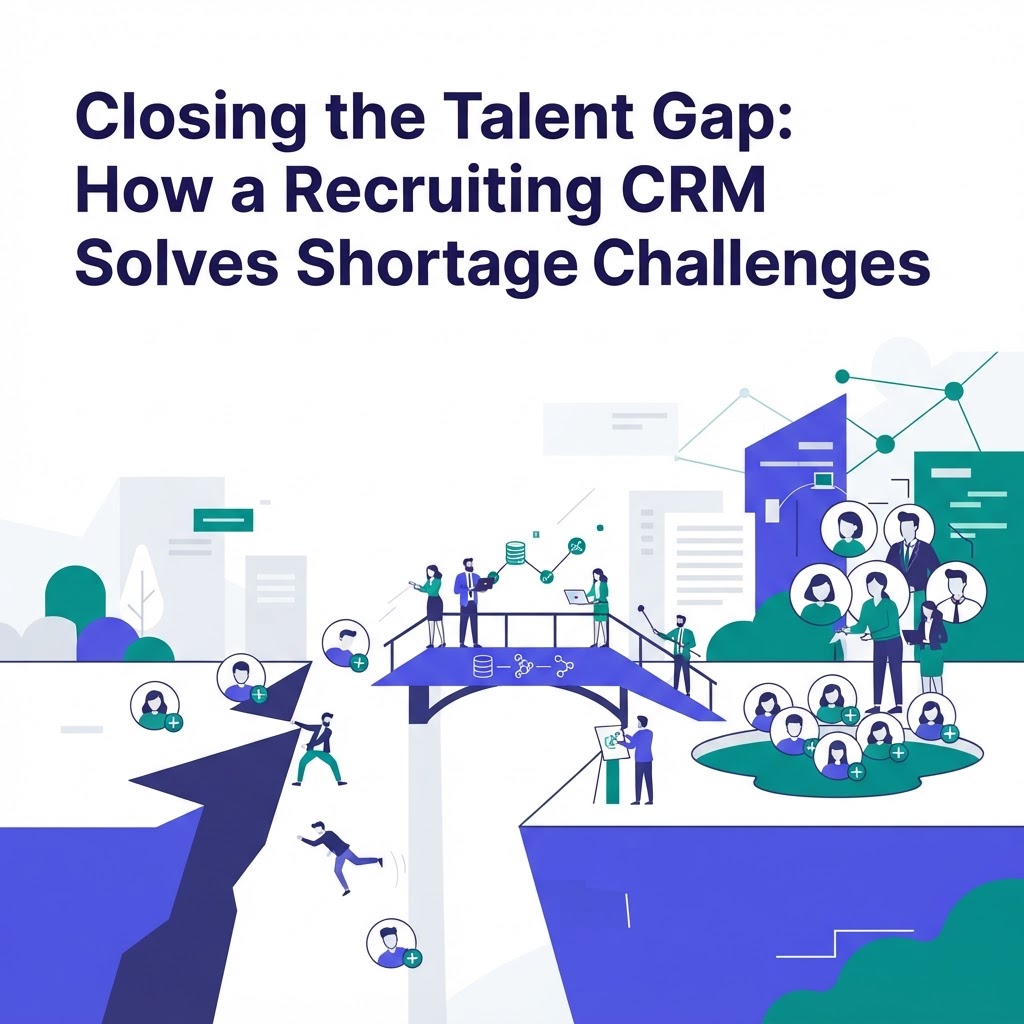
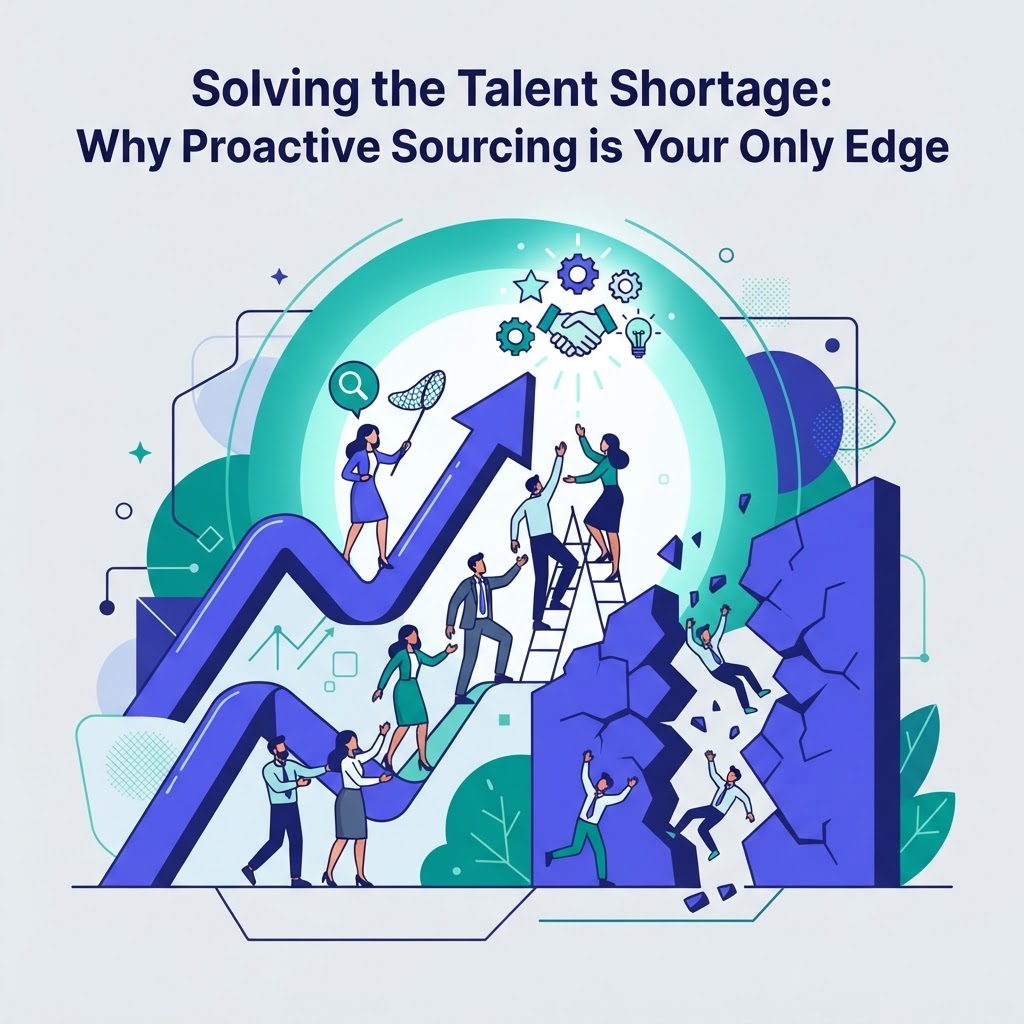
To bridge the gap, you must pivot toward proactive sourcing. This involves building a long-term talent pool before a requisition even opens. Using a platform like RecruiterCRMFlow, you can catalog every high-quality candidate you encounter, even if they aren't ready to move today. By maintaining these relationships through regular touchpoints, you ensure that when the time is right, your company is the first one they think of. A recruiting CRM turns your contact list into a living, breathing asset rather than a static spreadsheet that gets lost in a folder.
The Role of Data in Talent Retention
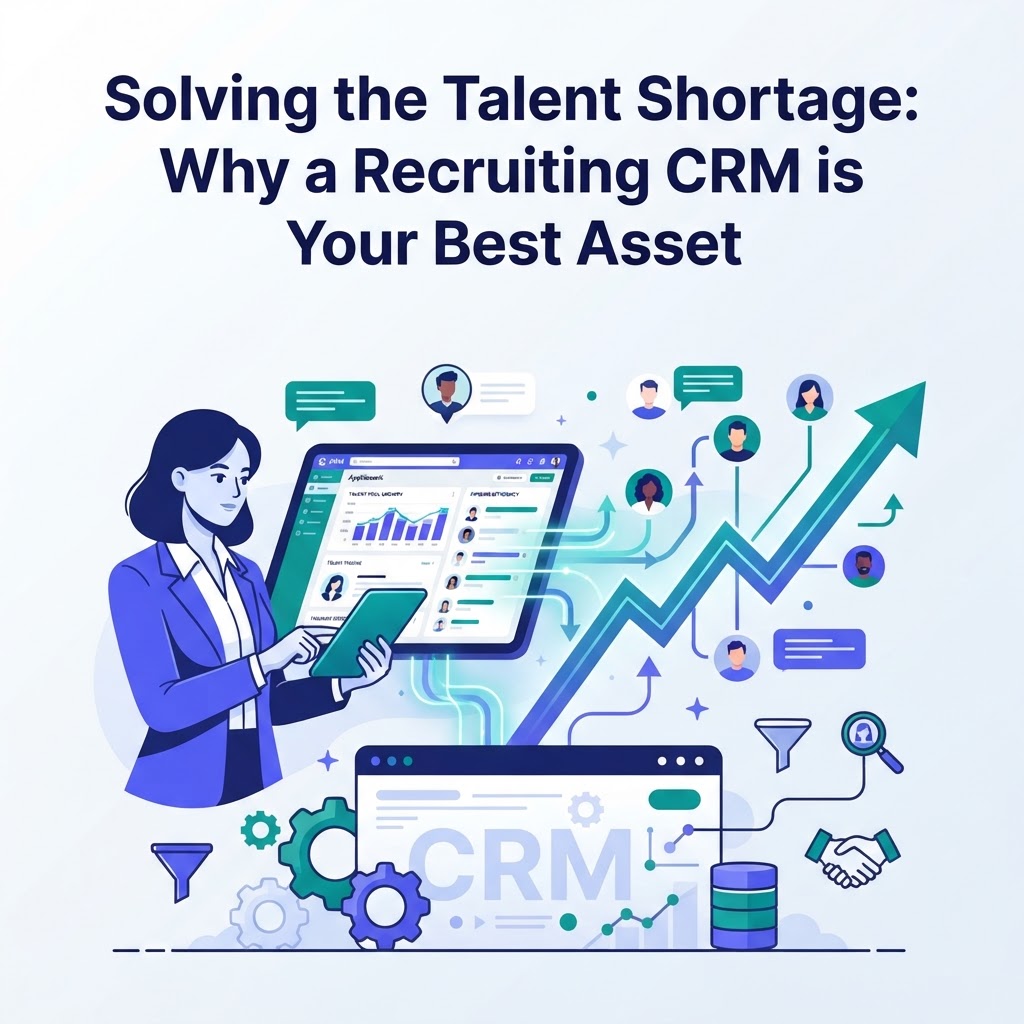
Efficiency is the greatest antidote to scarcity. If your team spends six hours a week manually searching for contact info or chasing down candidate status updates, you are losing valuable time that could be spent on interviews. A robust recruiting CRM provides actionable insights into your sourcing funnels. By tracking where your top hires come from, you can focus your limited resources on the channels that actually deliver results, rather than spraying and praying across every niche job board on the internet.
Building an Engaging Candidate Experience
Talent scarcity often leads to ghosting, which further diminishes your employer brand. When candidates feel like they are just a number in a chaotic hiring process, they drop out. RecruiterCRMFlow helps maintain a professional, automated communication flow that keeps candidates warm. By ensuring that every touchpoint is personalized and timely, you reduce drop-off rates by as much as 40%. A structured process is not just about internal organization; it is a vital part of your candidate value proposition.
- Automate follow-up sequences to keep high-value talent engaged without manual overhead.
- Centralize candidate notes and interview feedback to ensure a consistent experience across hiring teams.
- Use integrated analytics to identify and fix bottlenecks in your interview stages.
- Build segmented talent pools based on skill sets or industry experience for rapid sourcing.
Scaling Your Sourcing Strategy
As your business grows, the complexity of managing talent increases exponentially. You cannot scale a recruiting team on emails and shared documents alone. A specialized CRM provides a single source of truth for your recruiting efforts, allowing your team to collaborate seamlessly. When a recruiter leaves or a new one joins, the data remains, ensuring that your relationships with top-tier talent are never severed. By implementing a tool like RecruiterCRMFlow, you transition from playing catch-up to building a sustainable, long-term talent engine that thrives even when the market is tight.
In conclusion, the talent shortage is not a problem that can be solved with a bigger budget for job ads; it is a problem of relationship management and efficiency. By investing in the right recruiting CRM, you create a system that proactively sources, nurtures, and converts the talent necessary to drive your business forward. The companies that win tomorrow are the ones that stop waiting for candidates to find them and start systematically finding their future employees today.