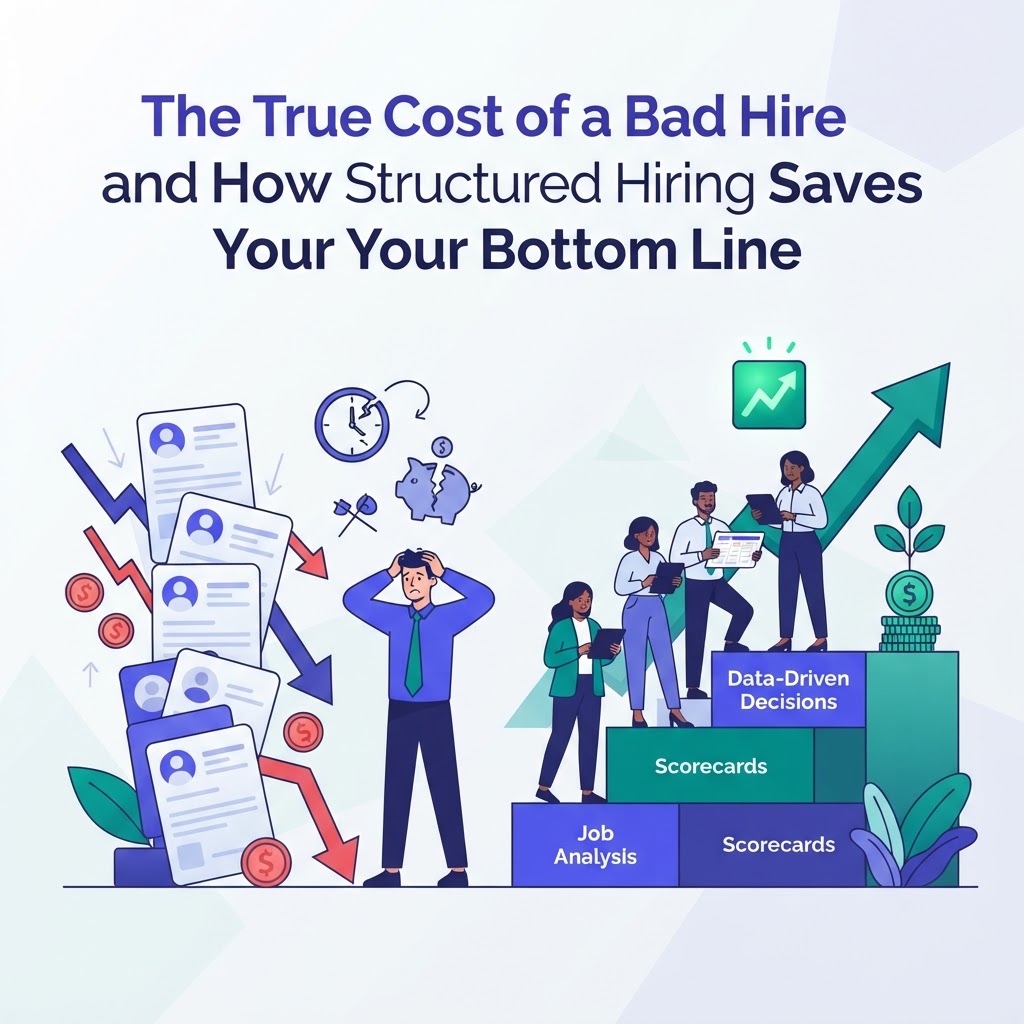
The recruitment industry often focuses on the thrill of the placement, but the true mark of an elite agency is the longevity of the candidates they place. When a placement goes south, the financial and reputational damage is significant. Research from the U.S. Department of Labor suggests that the cost of a bad hire can reach up to 30% of the employee’s first-year earnings. For high-stakes roles, this figure is often much higher when you factor in lost client trust, lowered team morale, and the resources poured into starting the search over from scratch.
The Financial and Operational Toll of a Mis-Hire
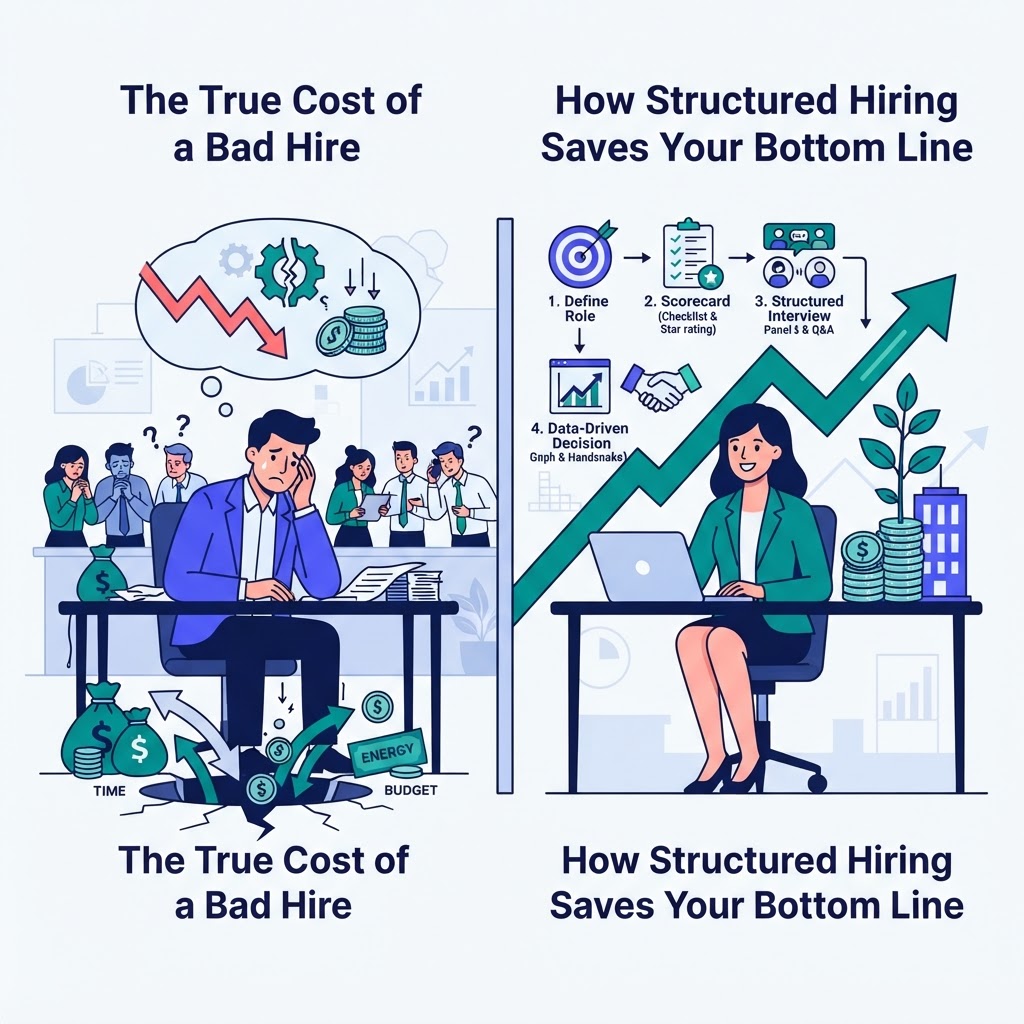
The math behind a bad hire is rarely straightforward. It begins with the obvious loss: the recruiter’s time spent sourcing, screening, and interviewing, only for the candidate to fail the probationary period. However, the hidden costs are where the real damage lies. You lose the "opportunity cost" of the other candidates you rejected to hire the wrong one. Furthermore, if you are an agency, you risk damaging your relationship with the client. When a placement leaves within three months, you are forced to re-run the search for free under your guarantee policy, effectively doubling your labor costs while cutting your profit margin to zero.
Why Intuition Fails Without Data Guardrails
Many recruiters rely on "gut feeling" during the interview process. While intuition has its place, it is susceptible to unconscious bias. Without a structured framework, recruiters often default to hiring candidates who are simply the most likable or the best at selling themselves, rather than those with the best technical fit or cultural alignment. This is where a recruiting CRM becomes an essential guardrail. By using a platform like RecruitingCRMFlow, you can enforce standardized scorecards for every candidate, ensuring that interviewers evaluate skills against objective criteria rather than subjective impressions.
Implementing Structured Hiring Processes
Structured hiring is the practice of asking every candidate the same set of questions and grading their responses against a predefined rubric. This methodology dramatically increases the predictive validity of your interviews. Instead of wandering through a conversation, you gain a clear, measurable picture of a candidate's competency. When you track these interactions inside RecruitingCRMFlow, you create an audit trail of why a candidate was chosen, which helps in refining your selection process for future roles. If you realize a certain technical test consistently identifies top performers, you can build that into your standard template across the agency.
How CRM Guardrails Prevent Candidate Attrition
One of the biggest drivers of a bad hire is a lack of transparency during the interview stage. If a candidate is not properly vetted for expectations, they will inevitably underperform or quit. RecruitingCRMFlow acts as a central repository for all candidate communication and feedback loops. By documenting every touchpoint—from initial outreach to final client feedback—you ensure no critical red flags are missed in the shuffle. When your team has access to the full historical context of a candidate's journey, they can make informed, data-driven decisions that drastically reduce the likelihood of a mismatch.
Leveraging Technology to Scale Consistency
Scaling an agency requires more than just hiring more recruiters; it requires standardizing the quality of your output. As your team grows, keeping everyone aligned on what constitutes a 'top tier' candidate becomes difficult. Using RecruitingCRMFlow to mandate structured workflows means every recruiter in your firm follows the same high-standard process. This consistency protects your brand reputation and ensures that the client receives the same level of rigorous service regardless of which recruiter is handling their account. By centralizing your candidate lifecycle, you stop losing track of top talent and start building a reliable, high-performance pipeline.
Conclusion
The cost of a bad hire is a preventable tax on your agency's growth. By moving away from unstructured, gut-based decision-making and implementing a rigorous, structured hiring process supported by RecruitingCRMFlow, you shield your agency from unnecessary churn and lost revenue. In an industry where trust is the primary currency, investing in better processes and better tools is the smartest move you can make for your bottom line.