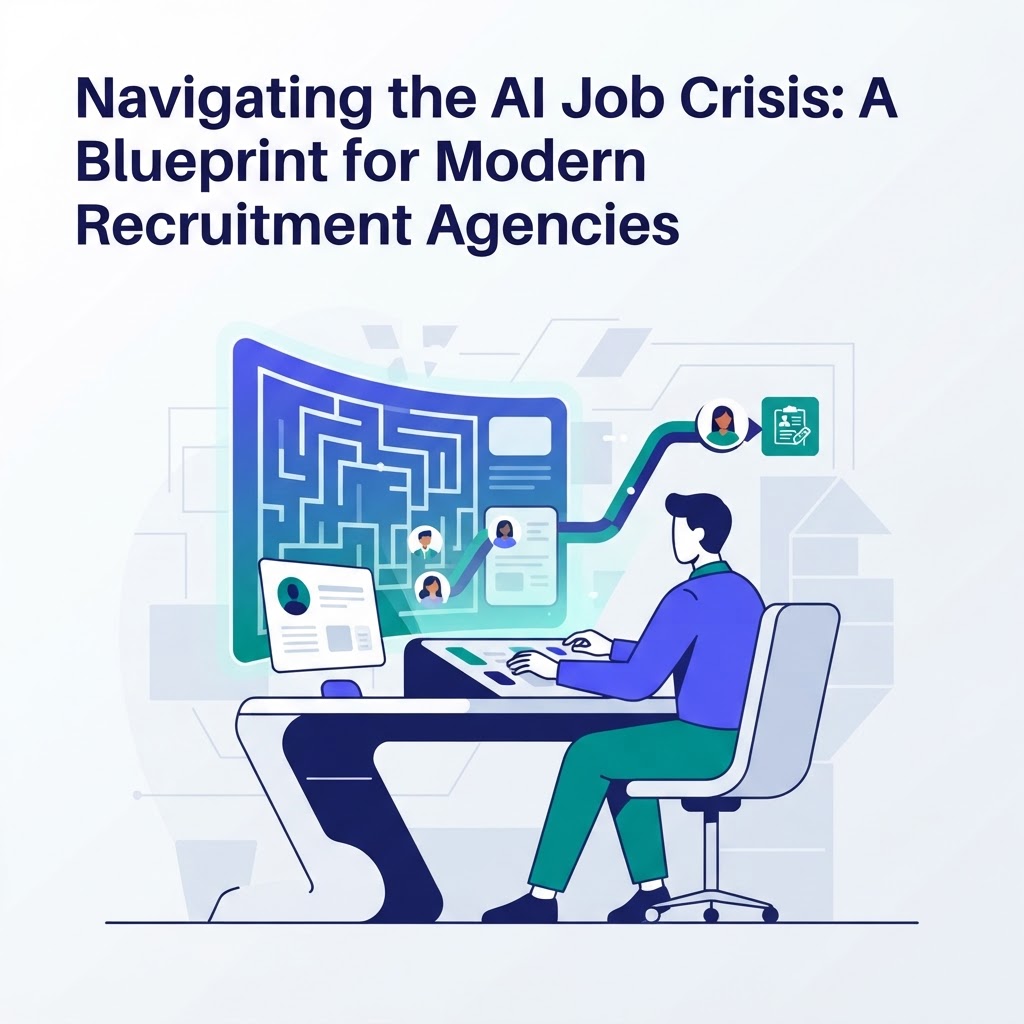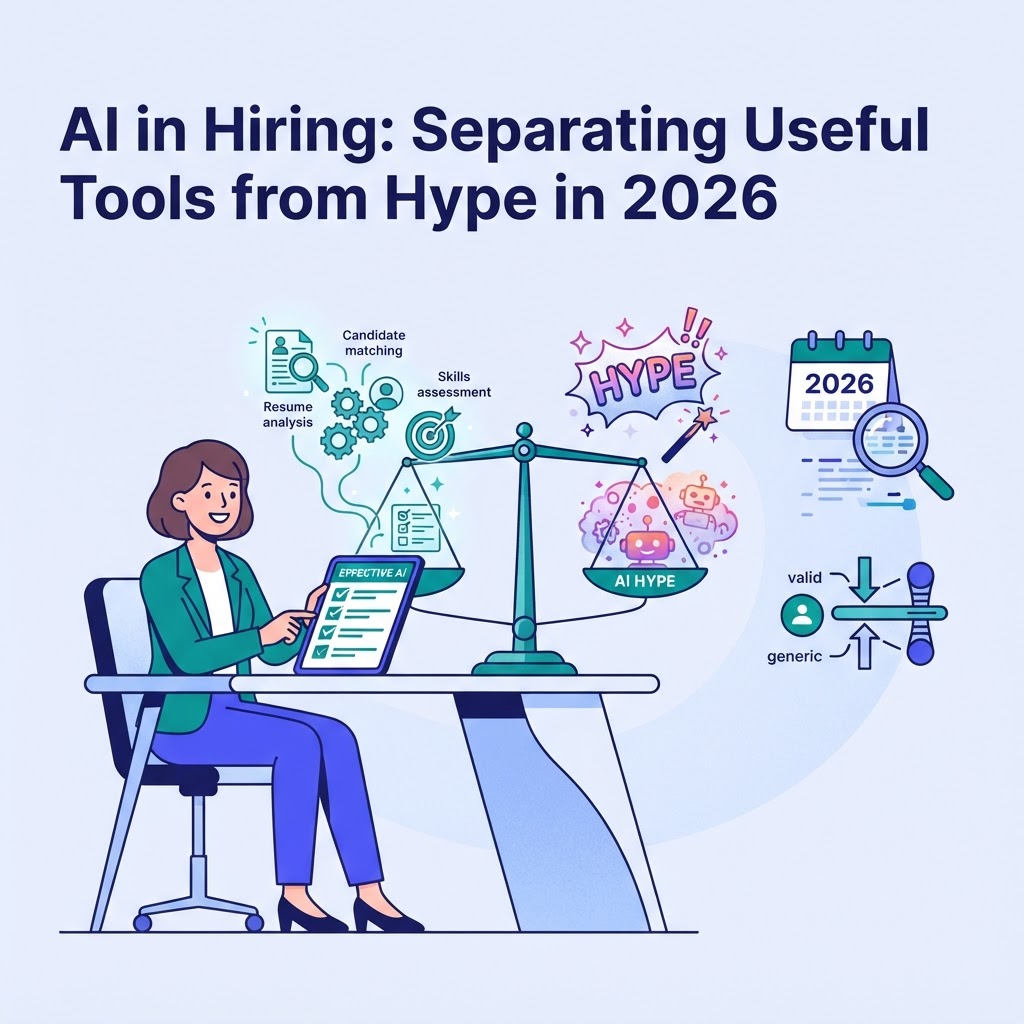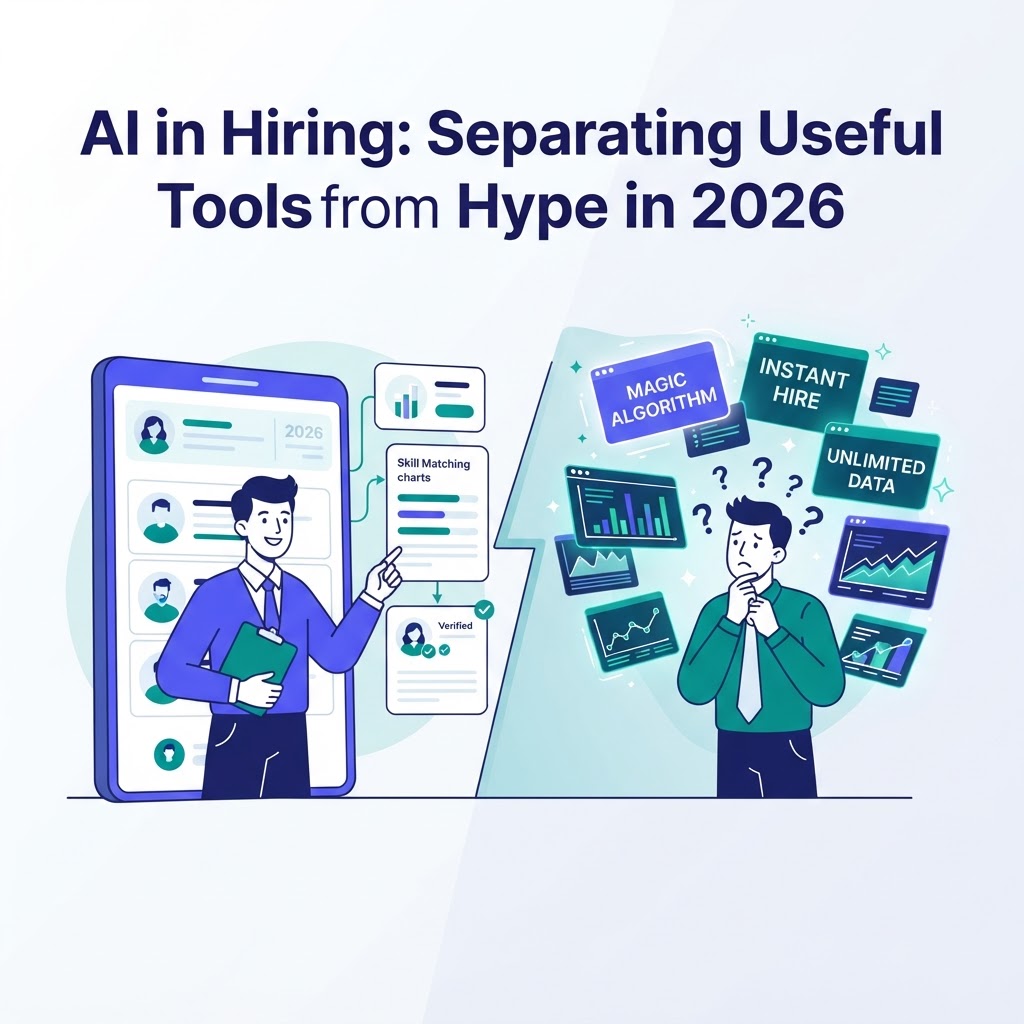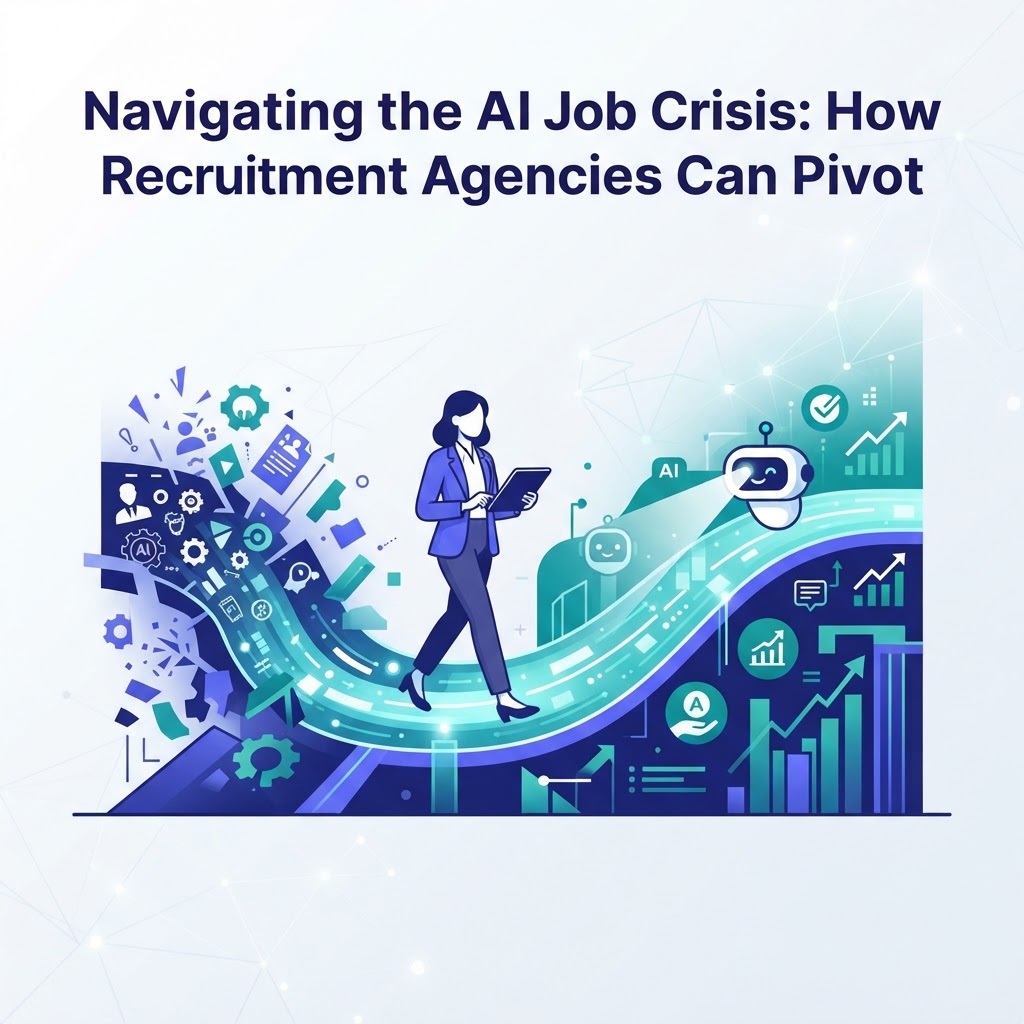
The rapid advancement of artificial intelligence has sparked a global debate regarding job displacement, leaving many industries in a state of flux. While some fear the total erosion of traditional roles, the reality is a significant shift in the skills employers demand. For recruitment agencies, this represents both a daunting challenge and a unique opportunity to act as the essential bridge between displaced talent and the emerging workforce of the AI era.
The Reality of AI-Driven Workforce Shifts
AI is not merely automating manual labor; it is increasingly augmenting cognitive tasks. According to recent industry reports, over 40% of standard operational roles are expected to undergo significant transformation by 2027. This transition is not necessarily a net loss of jobs but a churn in job composition. Recruiters are witnessing a surge in candidates whose primary technical skills are becoming obsolete, yet these individuals possess deep institutional knowledge and soft skills that are difficult for algorithms to replicate. Agencies must stop viewing these candidates as 'displaced' and start categorizing them as 'reskilling-ready' assets.
Identifying the New Skill Gap
Recruiters today operate in a market where technical proficiency is increasingly temporary, while adaptive capacity is permanent. The new 'AI-era' roles require a blend of human-centric soft skills—such as critical thinking, ethics, and emotional intelligence—integrated with AI literacy. Agencies that rely on outdated methods to screen candidates often miss the potential for cross-industry migration. When you lose track of a candidate's development journey, you lose a high-potential placement. Using RecruitingCRMFlow, agencies can tag candidates based on emerging competencies and track their upskilling progress, ensuring that talent does not fall through the cracks of a legacy database.
Leveraging Data to Bridge the Gap
The greatest mistake a recruitment firm can make during this transition is data fragmentation. If your candidate data is siloed across spreadsheets, email inboxes, and disparate ATS platforms, you are effectively flying blind. In an era of rapid skill shifts, you need a single source of truth. RecruitingCRMFlow provides the infrastructure to manage these relationships effectively. By maintaining detailed records of a candidate’s past performance alongside their new certifications, recruiters can proactively suggest talent to clients before the client even realizes they have a vacancy for an AI-augmented role.
Actionable Strategies for Agencies
To remain competitive, agencies must evolve their service model to include talent advisory services. Consider these practical steps:
- Proactively audit your current candidate database to identify individuals with high 'learnability' scores.
- Partner with ed-tech platforms to offer reskilling pathways to your existing talent pool.
- Shift your client pitch from 'filling a seat' to 'building an AI-resilient team' by presenting candidates who offer both historical expertise and current tech fluency.
- Use automated workflows in RecruitingCRMFlow to keep in touch with displaced candidates, ensuring your agency remains their first point of contact when they enter the job market again.
The Human Element in an Automated World
Ultimately, while AI can scan millions of resumes to find a technical match, it cannot mentor a candidate, negotiate a complex salary package, or sell a candidate's potential to a hiring manager. The recruitment agencies that thrive in the next decade will be those that embrace AI for data processing and efficiency while doubling down on the high-touch, human aspects of career counseling. By using a platform like RecruitingCRMFlow to automate the administrative burden, your team gains the time needed to have meaningful, career-defining conversations with candidates, effectively bridging the divide between the old job market and the new.
Conclusion
The AI job crisis is a call to action for the recruiting industry to move beyond traditional transactional hiring. By focusing on reskilling, leveraging advanced CRM technology, and maintaining deep candidate engagement, agencies can transform a period of disruption into a growth phase. Adapting to this new landscape requires the right tools to manage complex talent data, and RecruitingCRMFlow is designed to help you stay ahead of these changes with ease and precision.