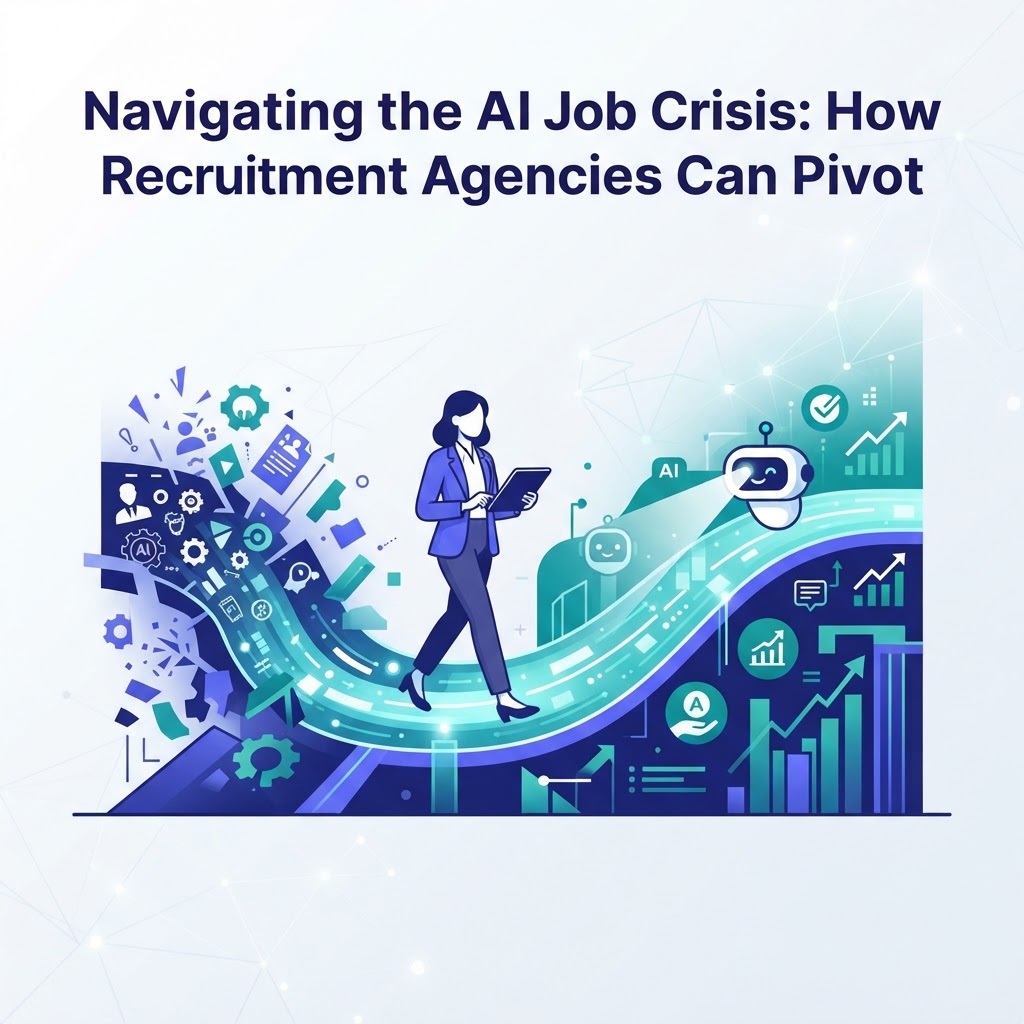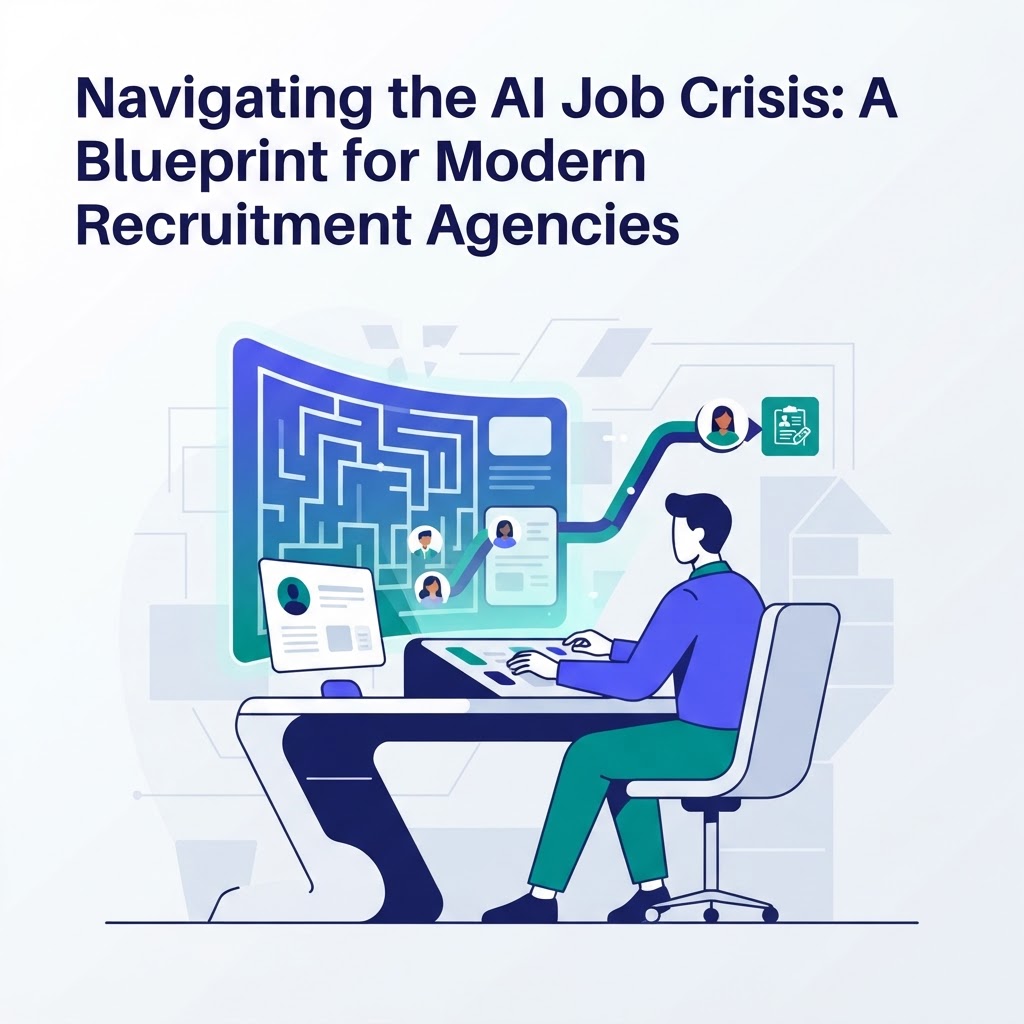
The rapid integration of artificial intelligence into the global workforce has triggered a profound shift in the labor market. While headlines often focus on the threat of displacement, the reality is a fundamental transformation of roles. For recruitment agencies, this represents both a significant challenge and a massive opportunity. As traditional job functions are automated, the demand for human-centric skills and specialized technical proficiency is skyrocketing.
The Anatomy of AI Displacement in Today’s Market
AI is not merely replacing jobs; it is redefining productivity. According to recent World Economic Forum data, over 85 million roles may be displaced by 2025, but 97 million new roles are expected to emerge that are better adapted to the new division of labor between humans, machines, and algorithms. We are seeing a contraction in entry-level administrative, data entry, and basic customer support roles. However, these are being replaced by positions requiring AI literacy, prompt engineering, and complex emotional intelligence.
Recruiters are currently sitting on mountains of candidate data that could be the key to this transition. If your agency is still using spreadsheets, you are likely failing to track the evolving skill sets of your talent pool. Platforms like RecruitingCRMFlow are essential here, as they allow you to tag and segment candidates based on their potential for reskilling rather than just their past job titles.
Identifying and Validating Transferable Skills
To remain relevant, agencies must shift their focus from 'experience-based' hiring to 'potential-based' hiring. Many candidates displaced by AI possess core competencies—critical thinking, empathy, and strategic communication—that are inherently human and AI-resistant. Your role as a recruiter is to map these transferable skills to the requirements of emerging roles.
- Assess soft skills that AI cannot replicate, such as high-level negotiation and creative problem-solving.
- Identify 'tech-adjacent' workers who are capable of learning new software suites quickly.
- Use CRM analytics to track which candidates have completed certifications in new AI tools.
By leveraging the automated candidate matching features in RecruitingCRMFlow, you can identify hidden gems within your existing database who possess the high-level cognitive skills needed for senior roles in the AI era.
Reskilling as a Value-Added Recruitment Service
Agencies that act as career architects will win the market. Instead of just playing the middleman, top-tier agencies are now partnering with training providers to 'upskill' their bench. When you help a displaced worker transition from a declining role to a tech-enabled position, you earn immense loyalty and build a premium brand reputation.
This process requires rigorous tracking. You need to know which candidates have successfully completed upskilling programs. Without a centralized ATS like RecruitingCRMFlow, this data becomes fragmented and useless. By keeping a detailed history of every candidate interaction and training milestone within one system, you ensure that no talent falls through the cracks.
Strengthening Client Partnerships Through AI Literacy
Your clients are likely as confused as your candidates. Many hiring managers are struggling to define what they actually need in an AI-augmented world. Agencies should position themselves as consultants who understand the shift in workforce dynamics. You should be advising clients on how to structure their job descriptions to attract human-AI hybrid talent.
- Help clients rewrite job descriptions to emphasize outcomes over process tasks.
- Advise on salary structures that account for AI-driven productivity gains.
- Use your CRM to demonstrate market trends, showing clients which roles are becoming harder to fill and why.
The Strategic Advantage of Centralized Data
In an era of rapid change, time-to-fill is your most critical metric. If you spend your day searching through emails and disconnected spreadsheets, you are losing business to agencies that have optimized their operations. RecruitingCRMFlow provides a single source of truth for all your candidate and client interactions. When you have immediate access to your historical talent data, you can react to market shifts instantly, placing the right candidates in the right roles before your competitors even log in.
Conclusion: The AI job crisis is not the end of recruitment; it is the beginning of a more strategic, high-value era. By focusing on reskilling, leveraging transferable skills, and utilizing a robust CRM to maintain an agile, searchable database, your agency can bridge the gap between yesterday's workforce and tomorrow's economy.