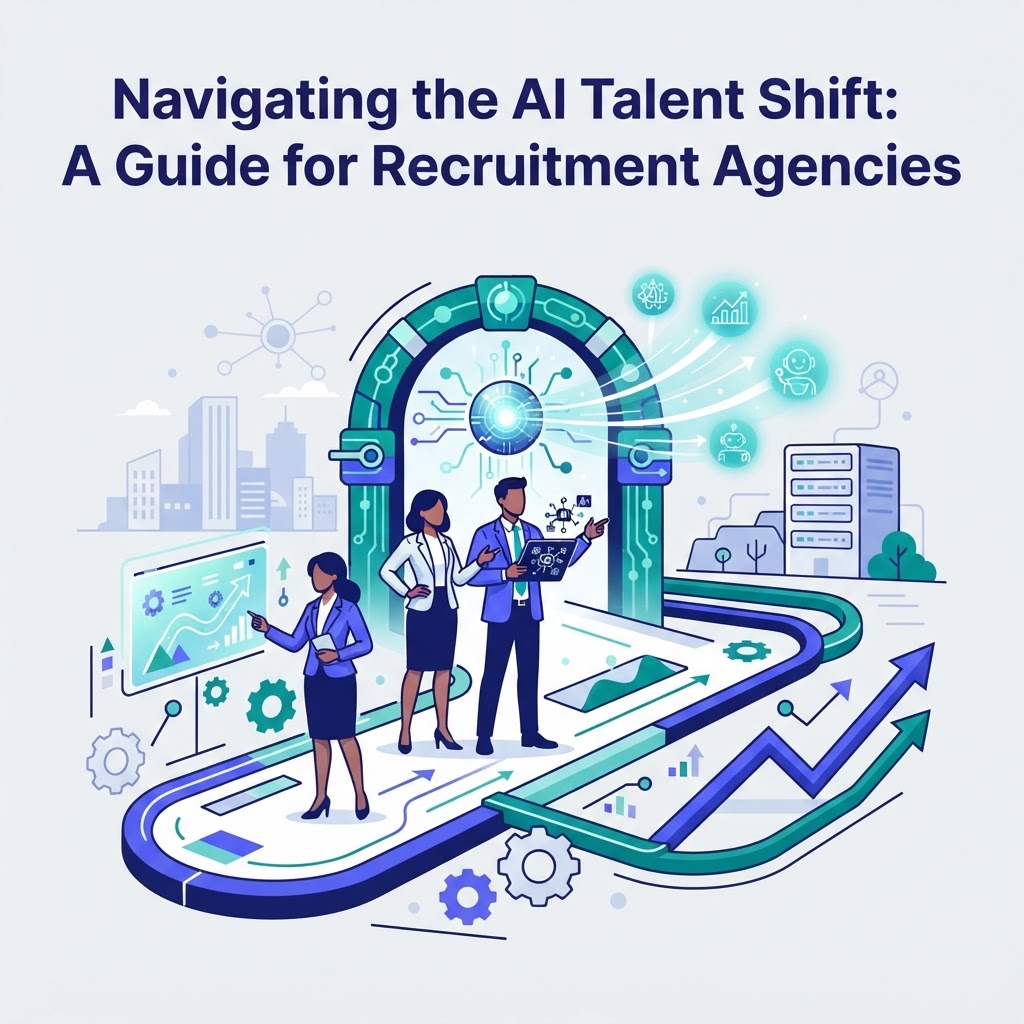
The rapid integration of generative AI into the workplace is creating a profound shift in the labor market. While headlines often focus on job losses, the reality for recruitment agencies is far more nuanced. We are currently witnessing a massive wave of displaced talent—professionals whose roles are evolving or disappearing—paired with an unprecedented demand for candidates who can leverage AI tools. For recruiters, this is not just an era of disruption; it is an era of transition that demands a new approach to talent acquisition.
The Reality of AI-Driven Displacement
AI displacement is not a monolithic event but a sector-specific transformation. Data indicates that routine cognitive tasks, particularly in data entry, content drafting, and basic software coding, are seeing the highest levels of automation. When a company automates these functions, they do not just fire employees; they often restructure entire departments. For recruiters, this creates a surplus of candidates who possess deep industry knowledge but lack the specific AI-workflow experience required by modern employers. The challenge is identifying which skills are transferable and which require immediate reskilling.
Bridging the Gap: The Human Touch in a Digital Age
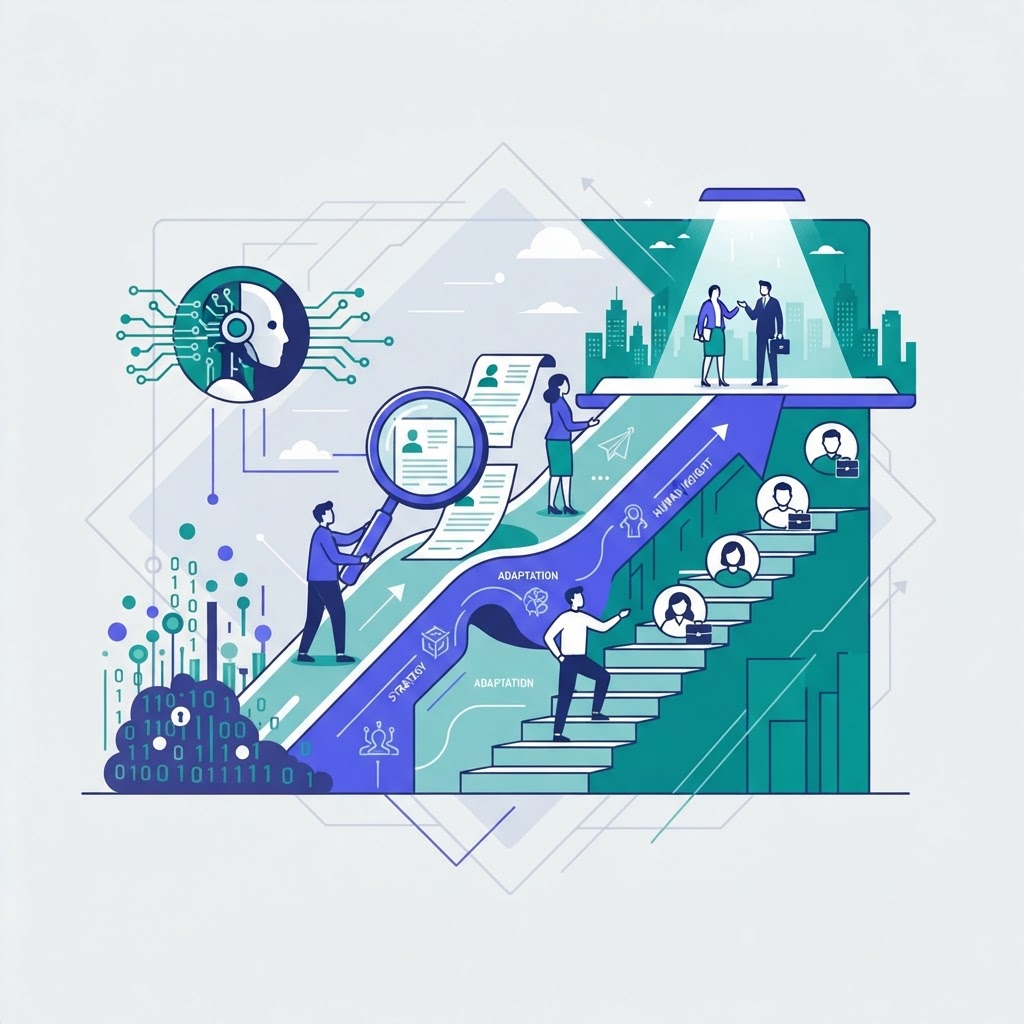
As AI streamlines initial resume screening, the value of the human recruiter has shifted toward assessment and advocacy. Clients no longer need agencies merely to find bodies for seats; they need partners who can vet for adaptability. An agency's ability to act as a bridge depends on the granularity of their candidate database. If your talent data is siloed in disconnected spreadsheets, you will miss the opportunity to re-engage former candidates whose previous skill sets align with the newly emerging 'AI-augmented' roles. Using a robust platform like RecruiterCRMFlow ensures that every interaction with a candidate is tracked, allowing recruiters to reach out to talent when their specific pivot into AI-compatible roles makes them highly marketable.
Why Data Management Matters More Than Ever
Many agencies lose track of their most valuable assets during market turbulence: their historical candidate data. When the market shifts, a recruiter's ability to pull a list of candidates from three years ago who possessed strong analytical foundations—but were previously pigeonholed in legacy roles—is a competitive superpower. Without a centralized CRM, these candidates are forgotten. RecruiterCRMFlow centralizes these relationships, turning a static list into a living pipeline. When you can quickly tag and search for 'adaptable' or 'tech-forward' talent, you reduce the time-to-hire significantly, a metric that clients are prioritizing more than ever during this economic transition.
Strategies for Effective Reskilling Advocacy
Recruiters should now act as career architects. Instead of presenting a candidate as they were, present them for who they are becoming. This involves:
- Identifying candidates with a high 'learning agility' quotient during the interview process.
- Partnering with online certification platforms to offer reskilling pathways to high-potential talent.
- Rebranding candidate profiles to emphasize problem-solving over rote technical execution.
- Educating clients on the long-term ROI of hiring 'adjacent talent' that can be trained, rather than searching for the mythical 'perfect fit' unicorn candidate.
Scaling Your Agency Through Technology
Adapting to the AI era requires a streamlined workflow. If your team is spending 60% of their day manually updating candidate statuses, they aren't interviewing, mentoring, or business developing. The AI-enabled job market moves at breakneck speed. By automating the administrative burden through RecruiterCRMFlow, your recruiters regain the hours needed to have deep, meaningful conversations with candidates. In a landscape where automation is standard, the agency that provides the best candidate experience wins the best talent.
Conclusion: Embracing the Future of Recruitment
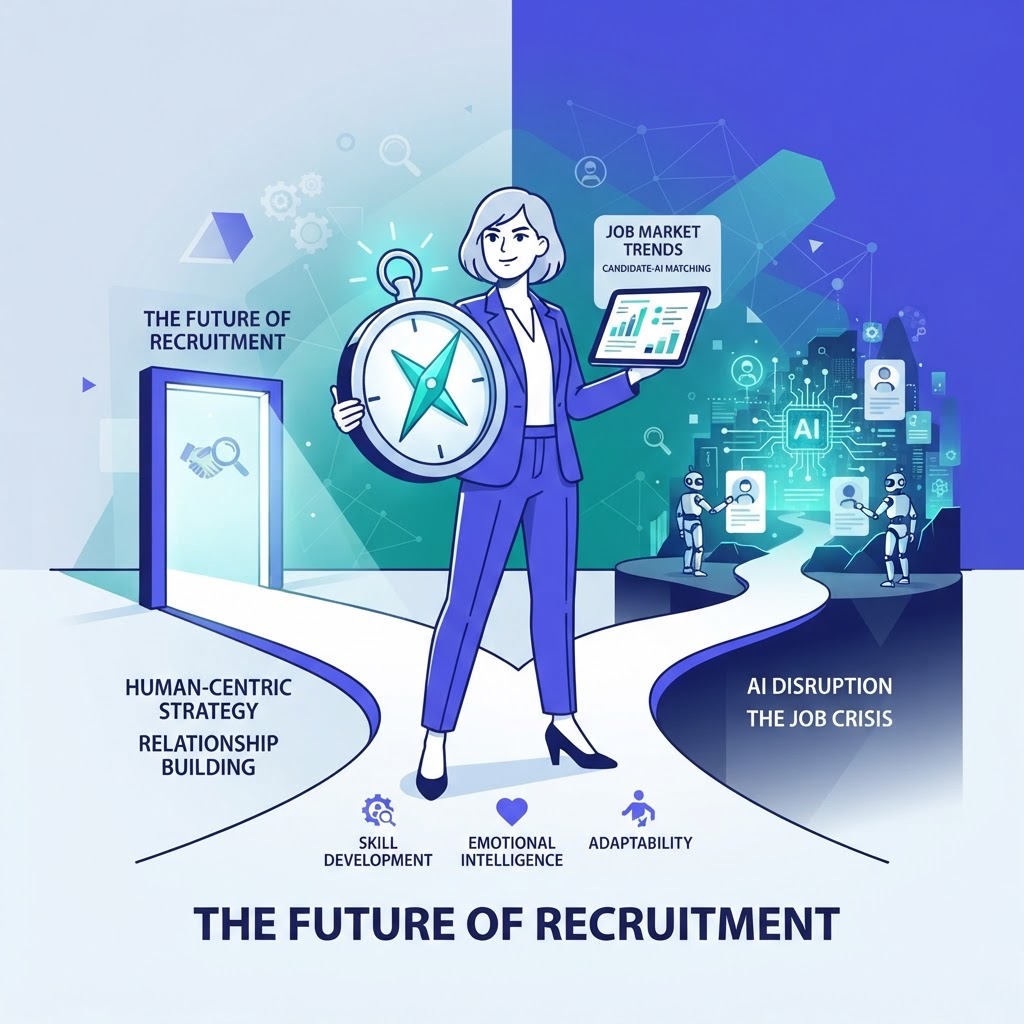
The AI-driven job crisis is only a crisis for those who remain static. For forward-thinking recruitment agencies, it is an opportunity to redefine the standard of excellence. By leveraging technology to better track talent, focusing on skill transferability, and acting as a strategic career partner, you can ensure your agency remains an essential link in the modern labor economy.